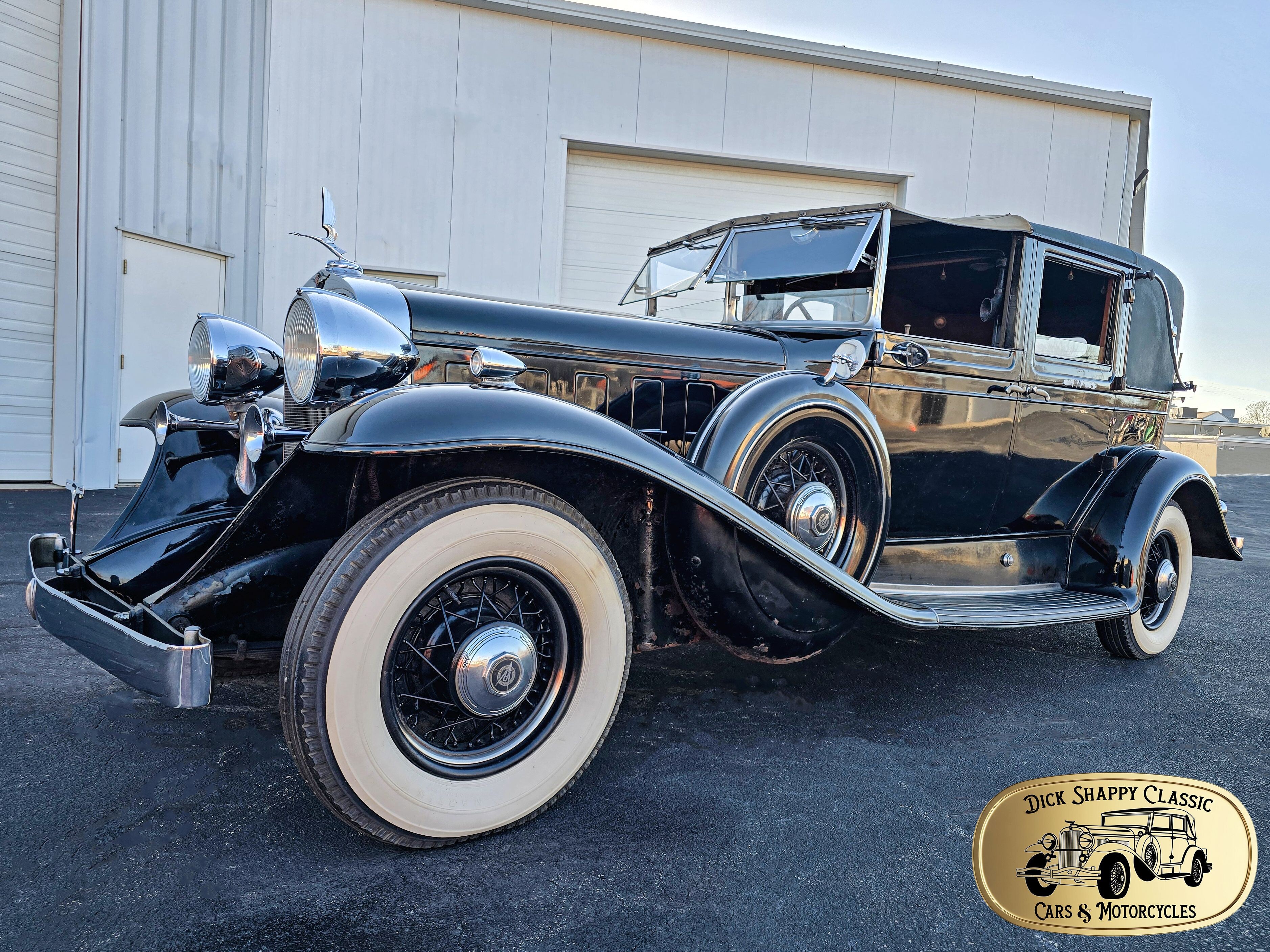
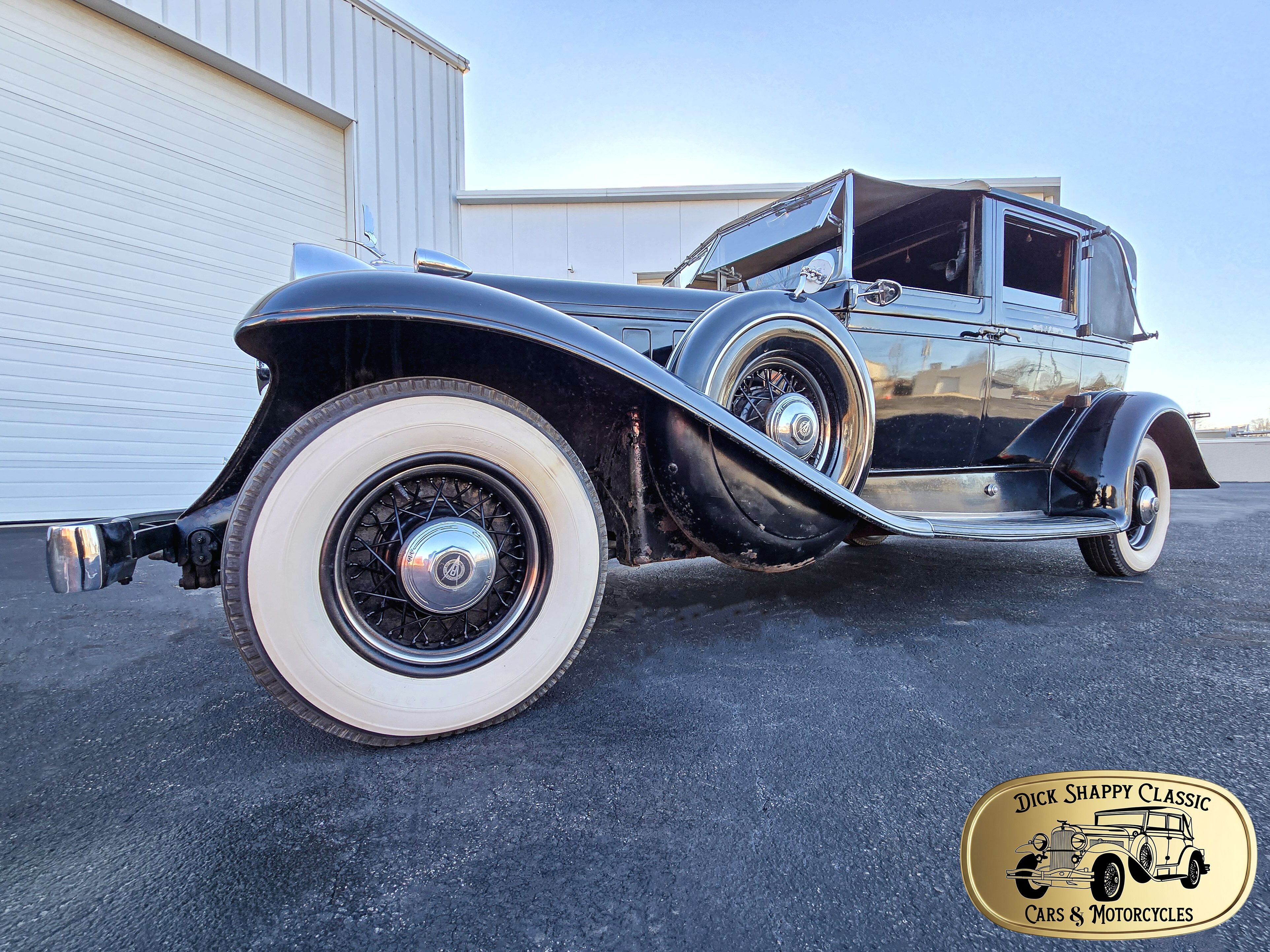
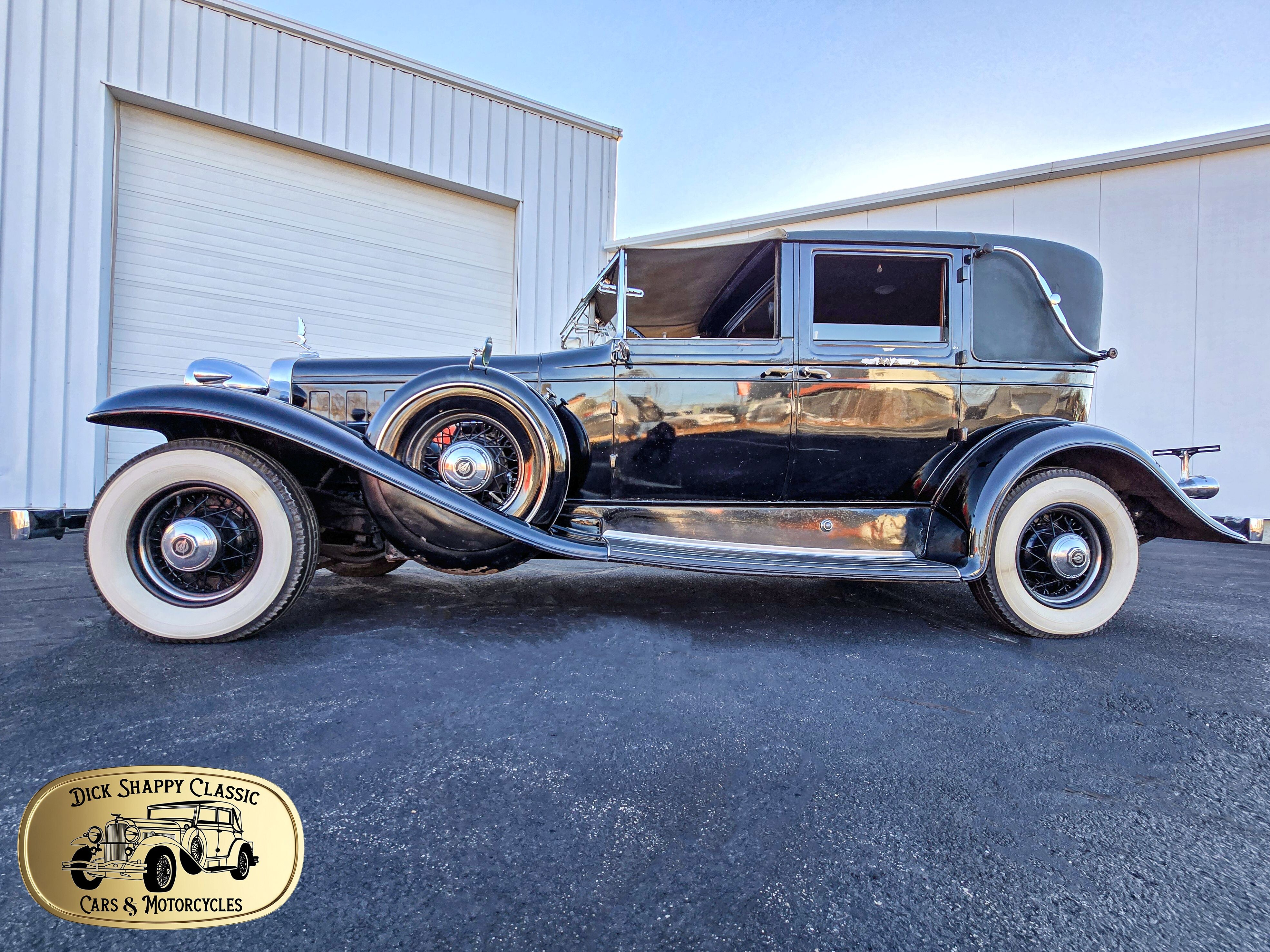
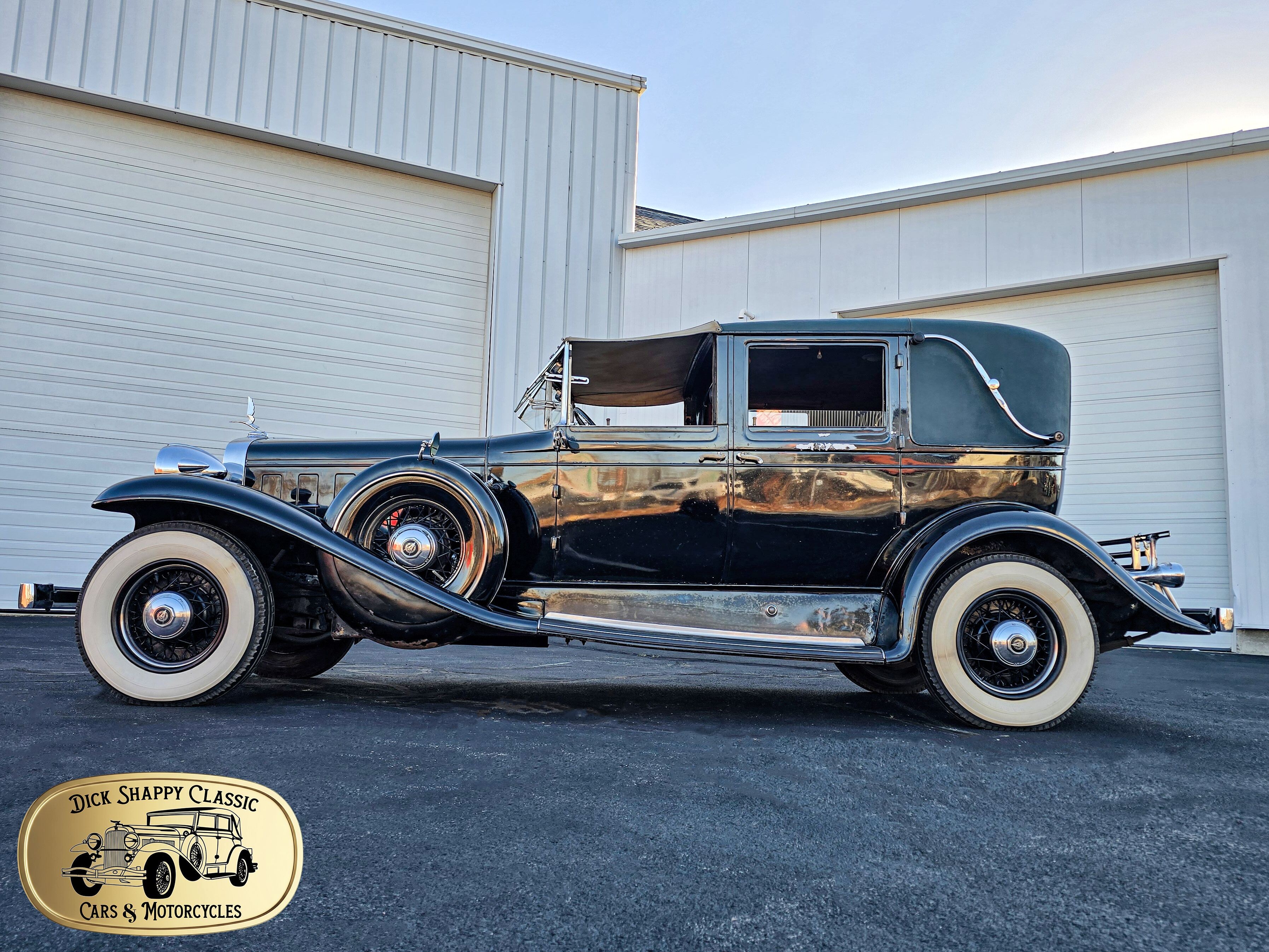
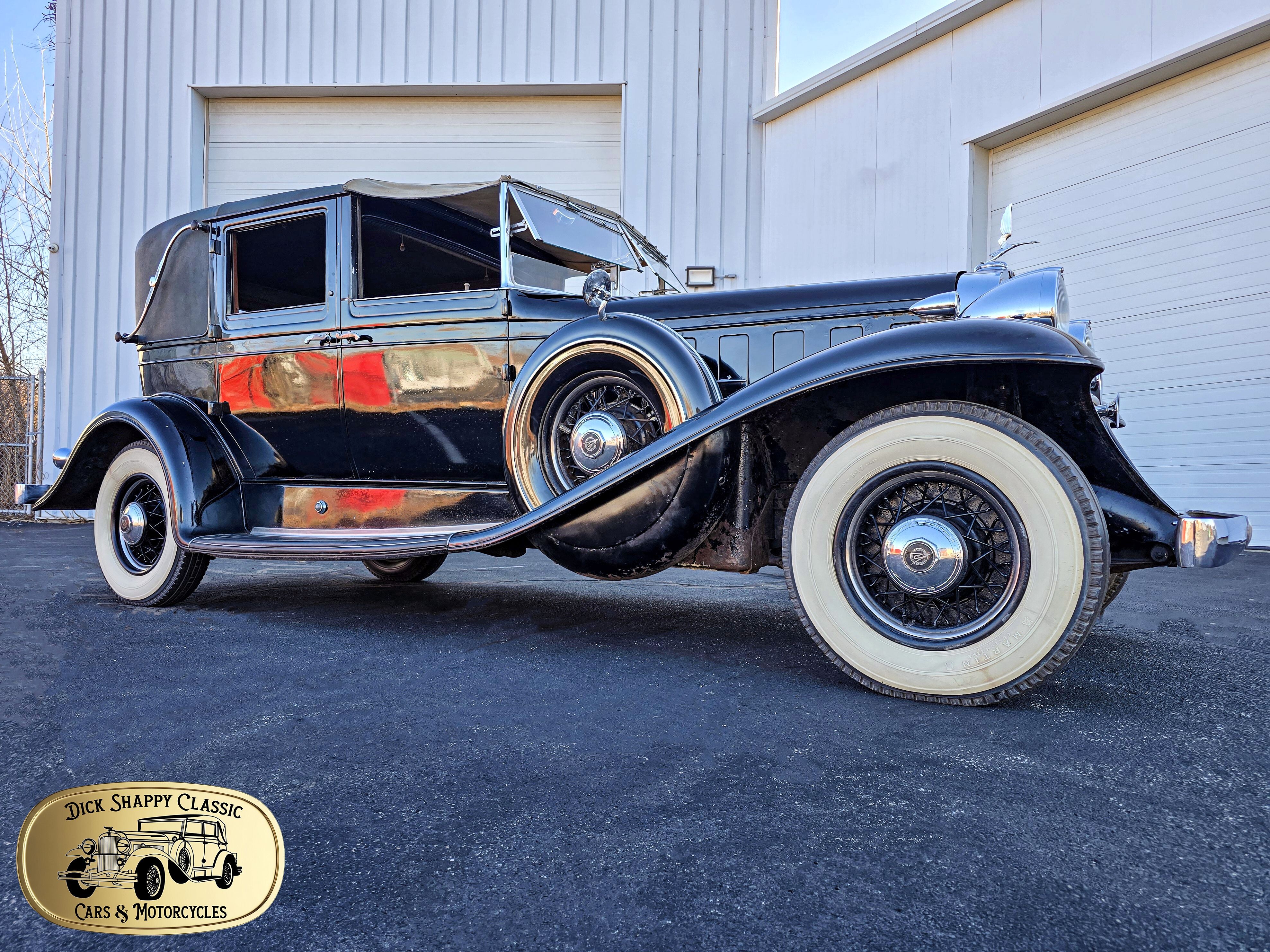
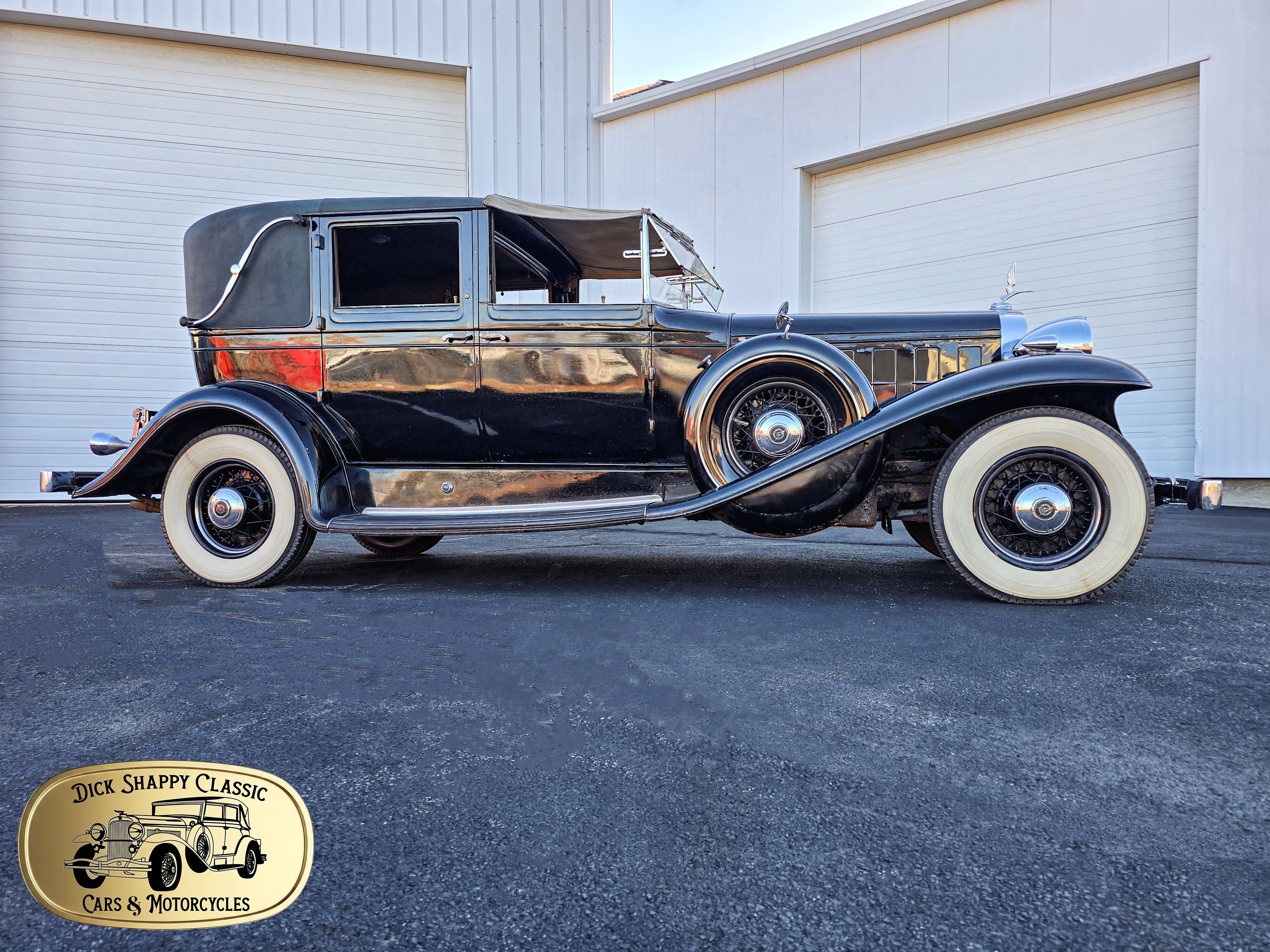
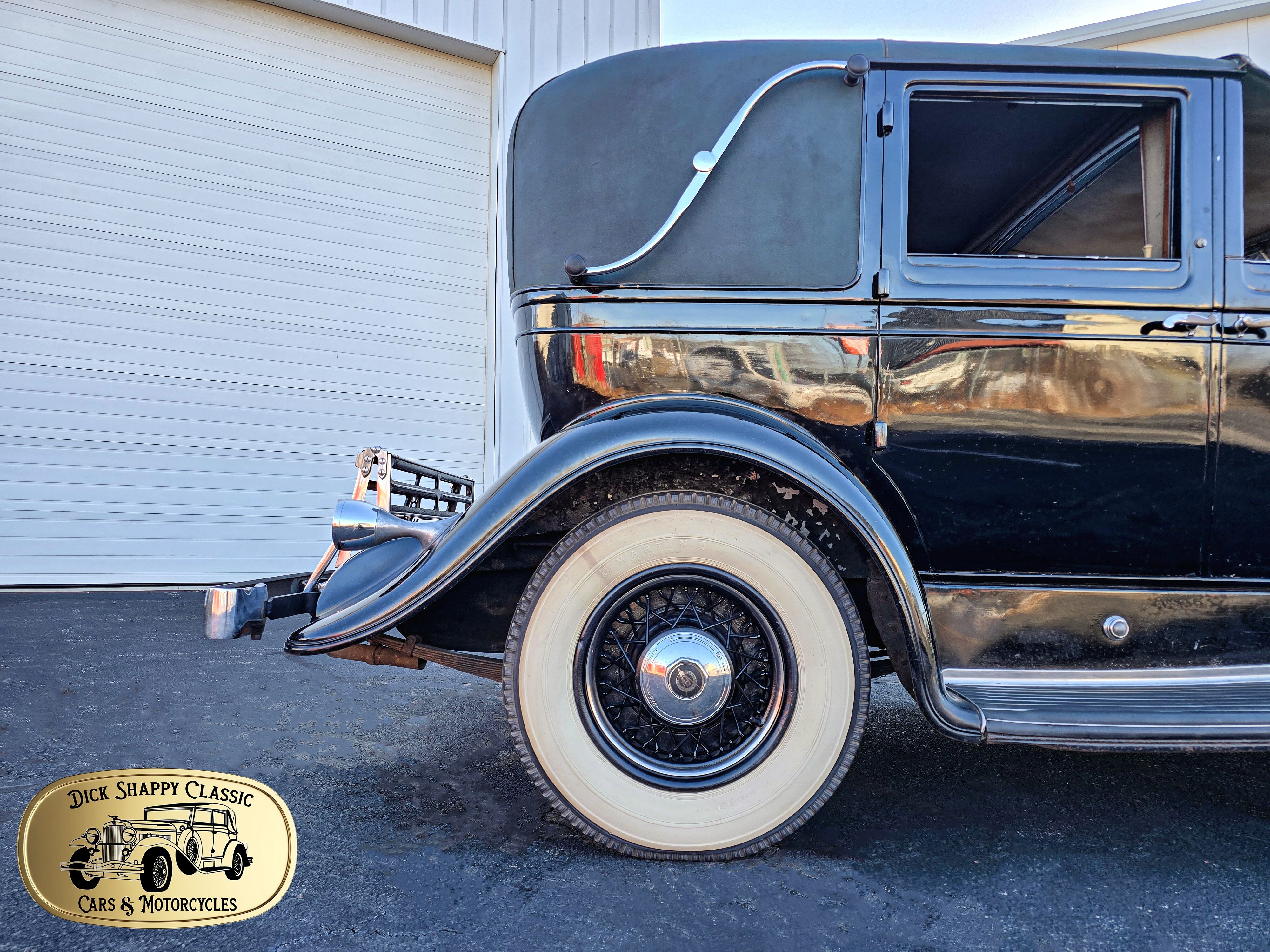
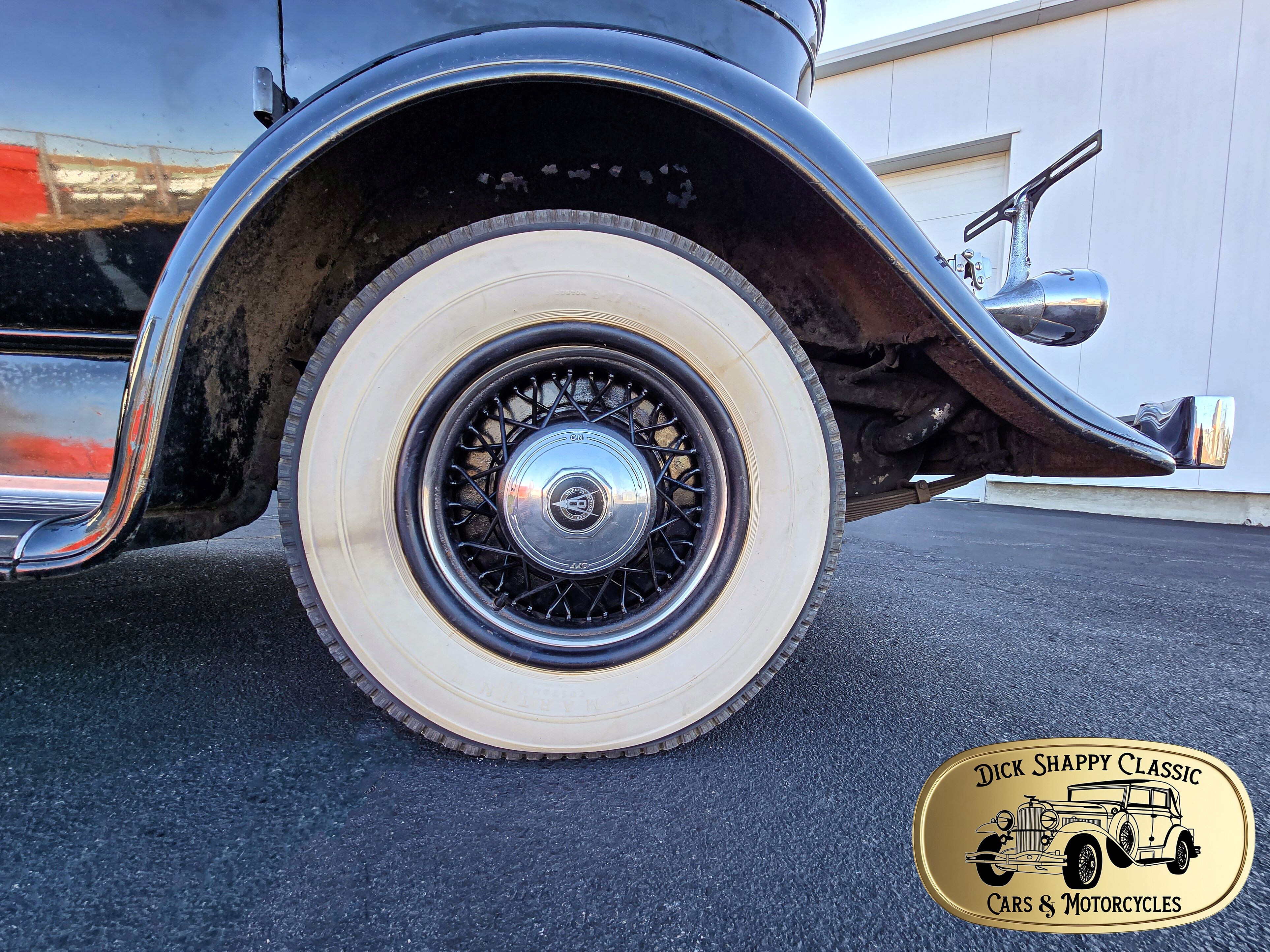
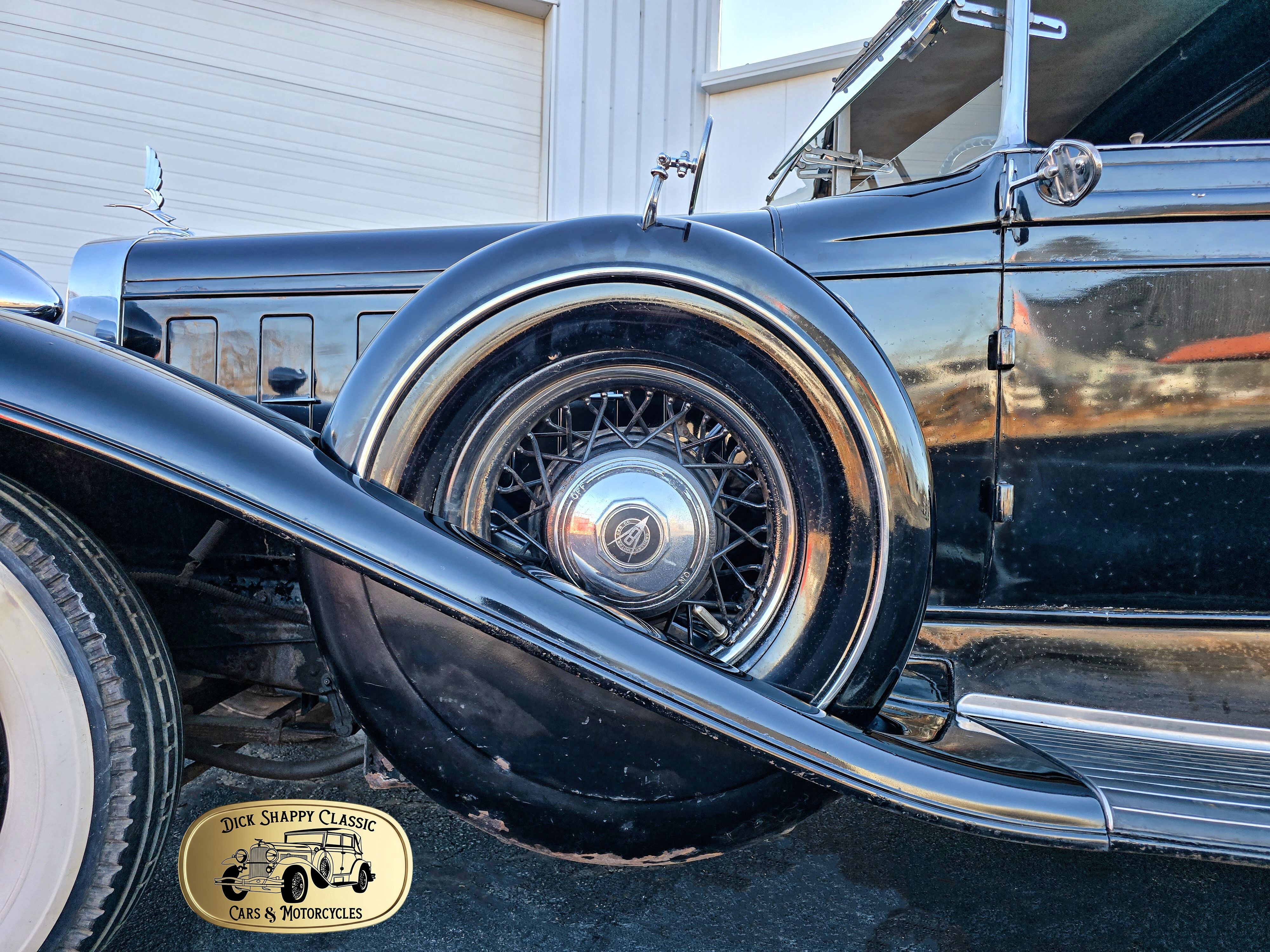
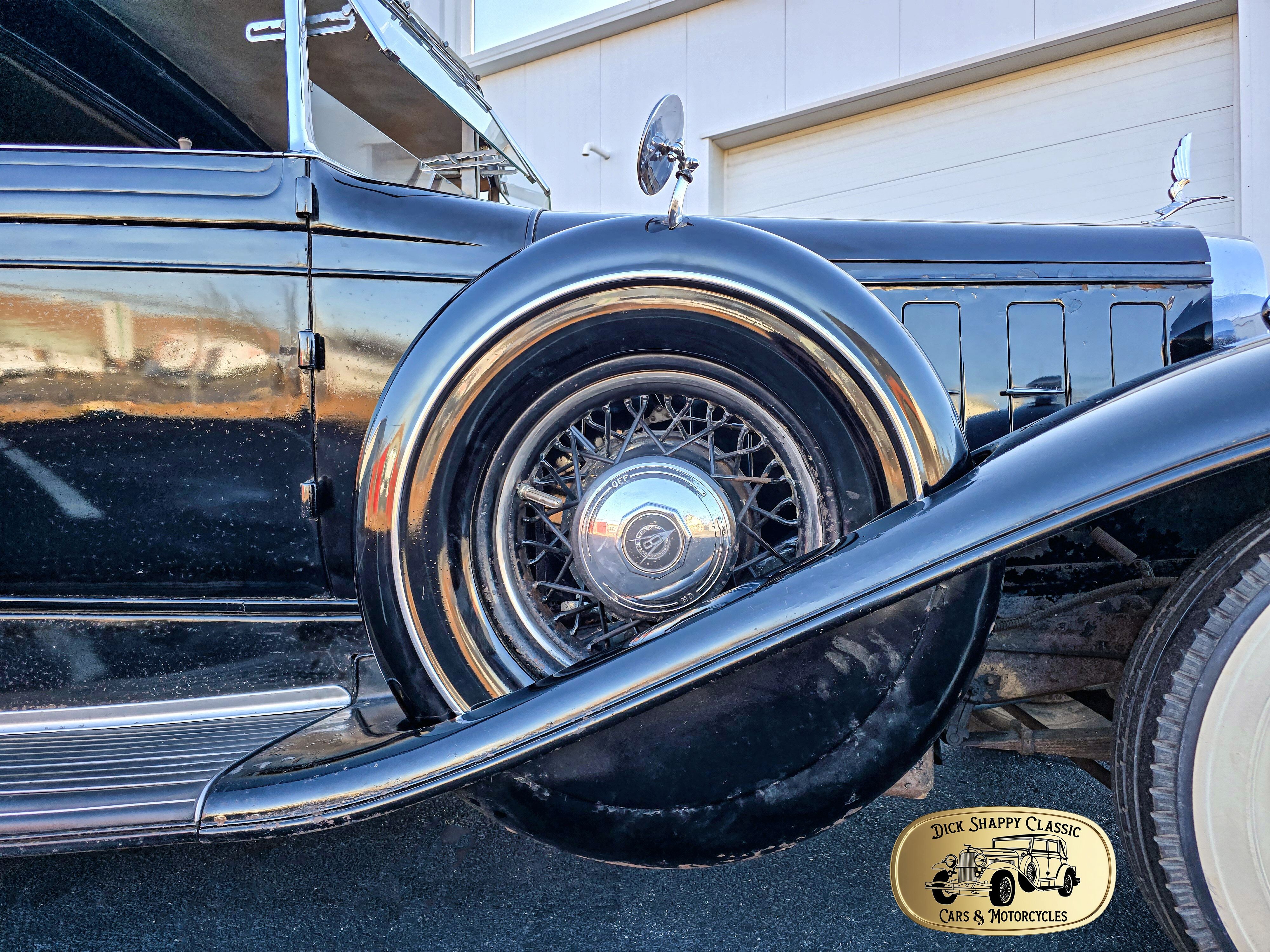
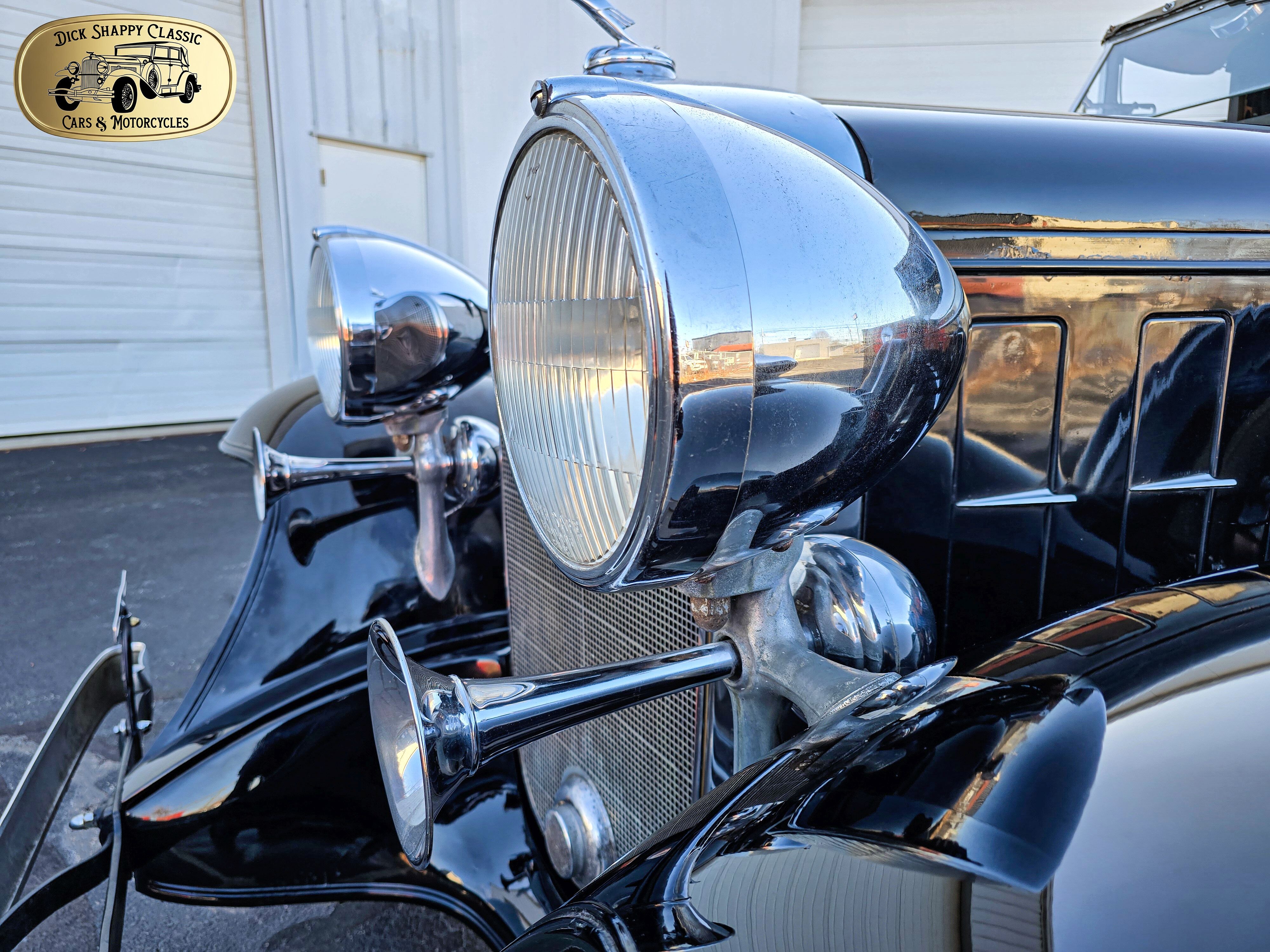
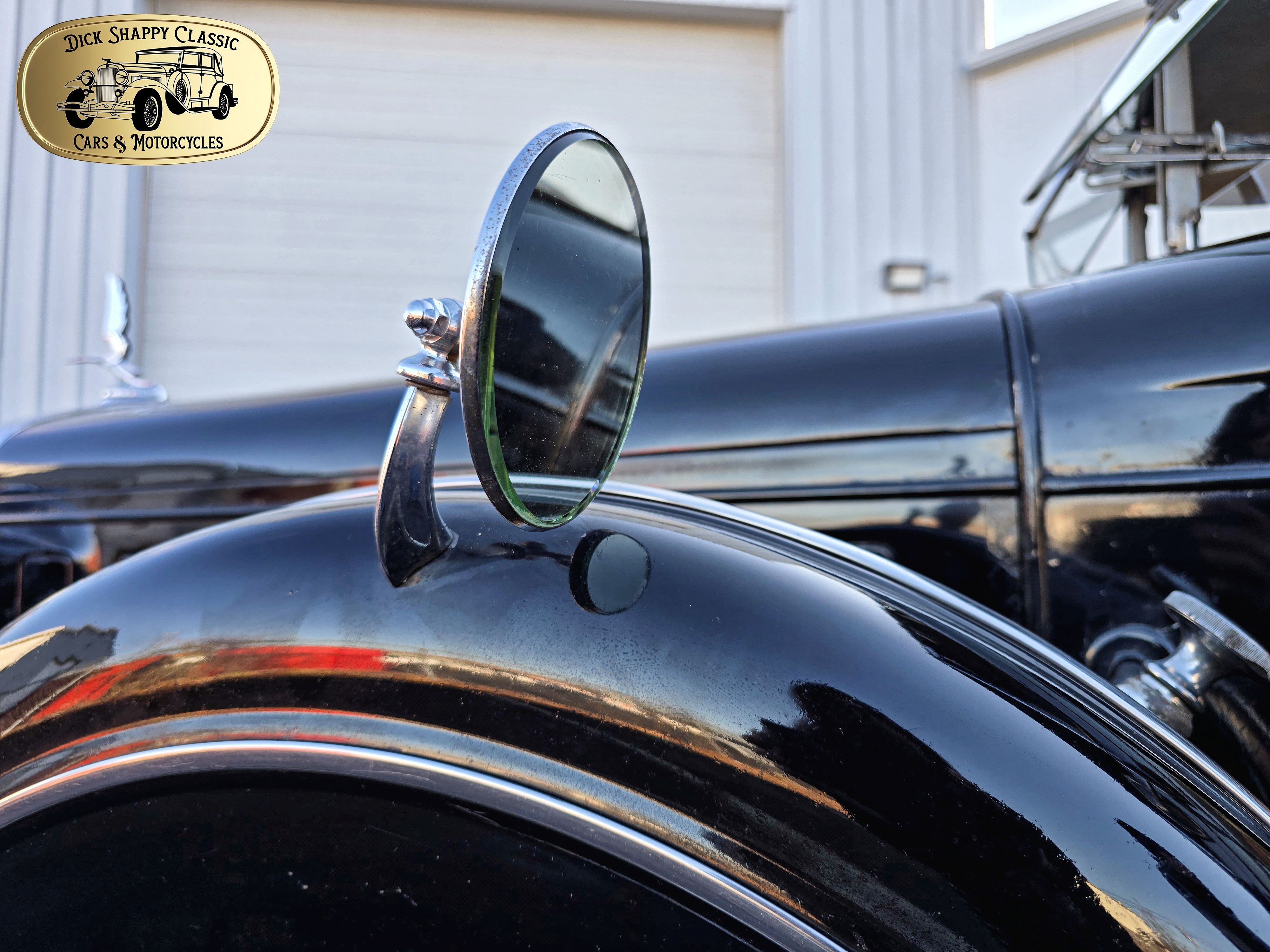
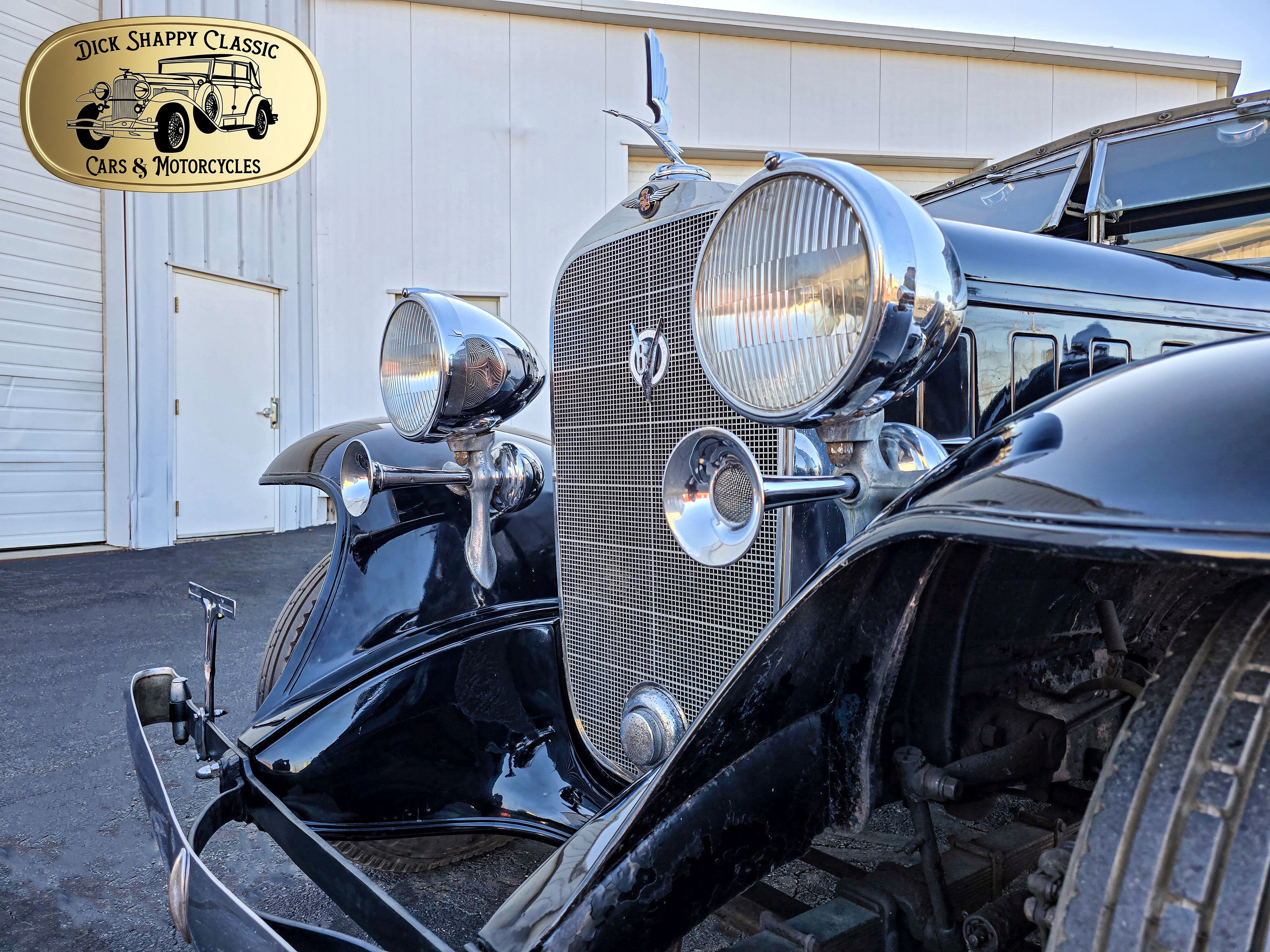
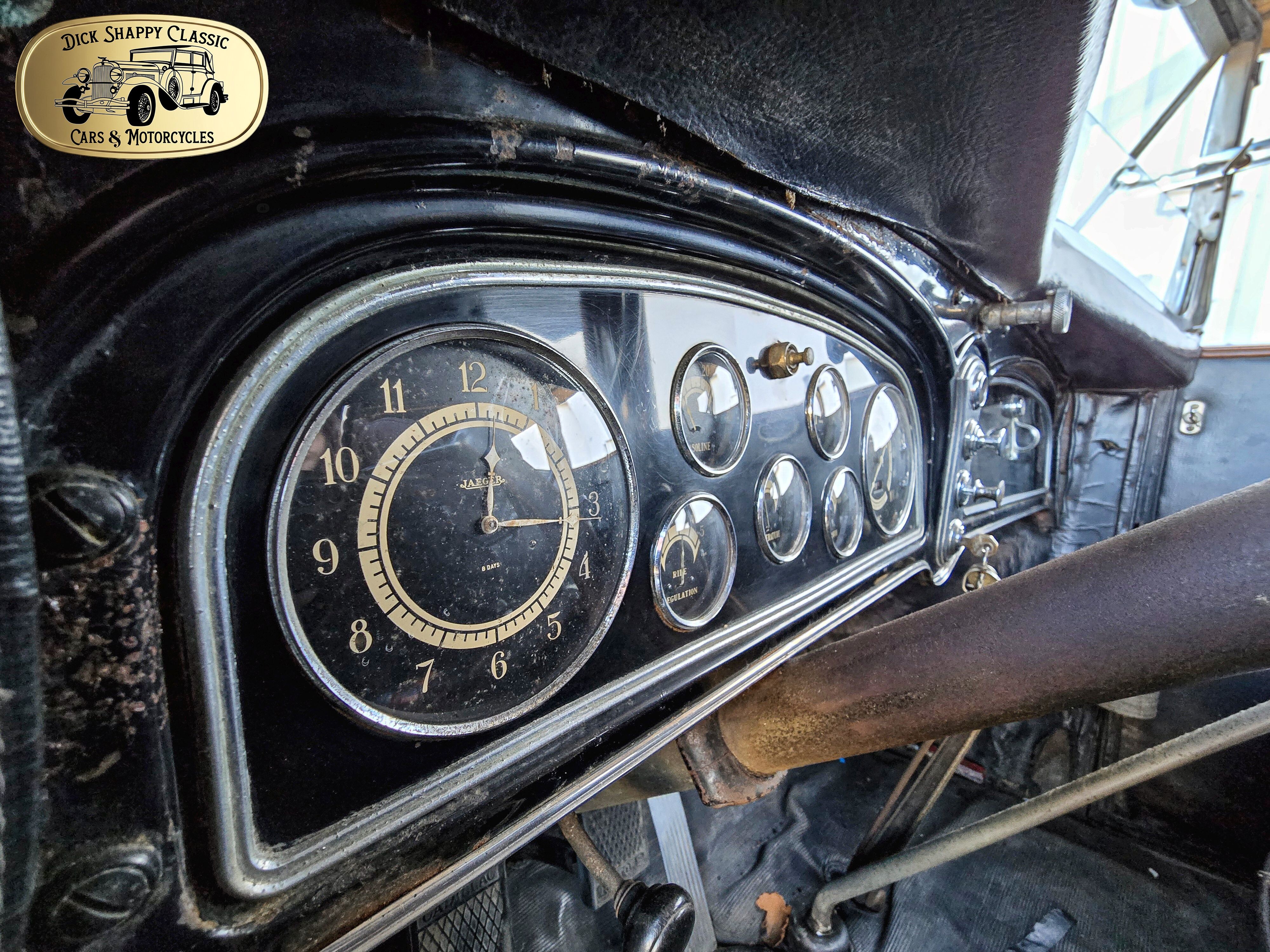
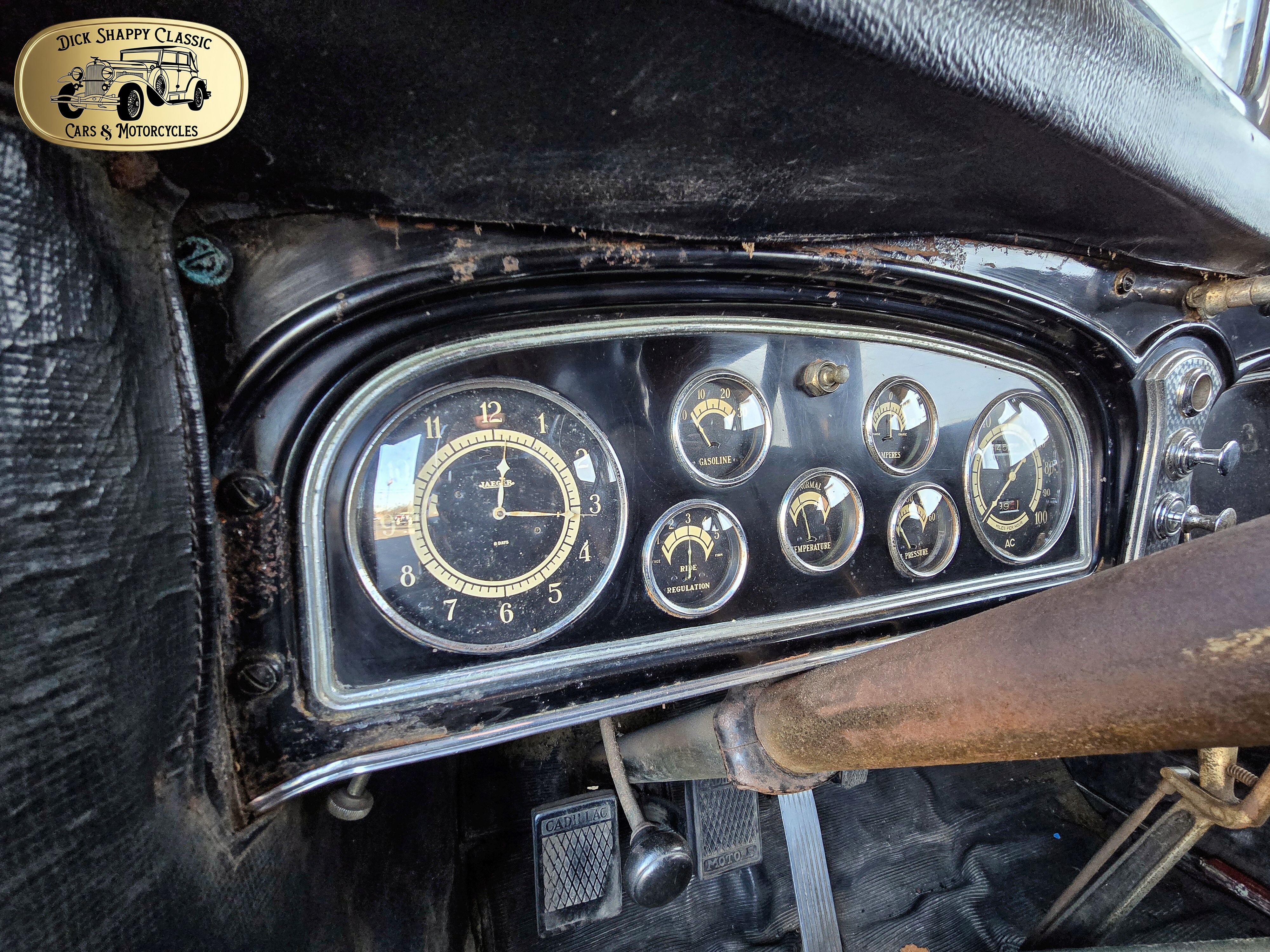
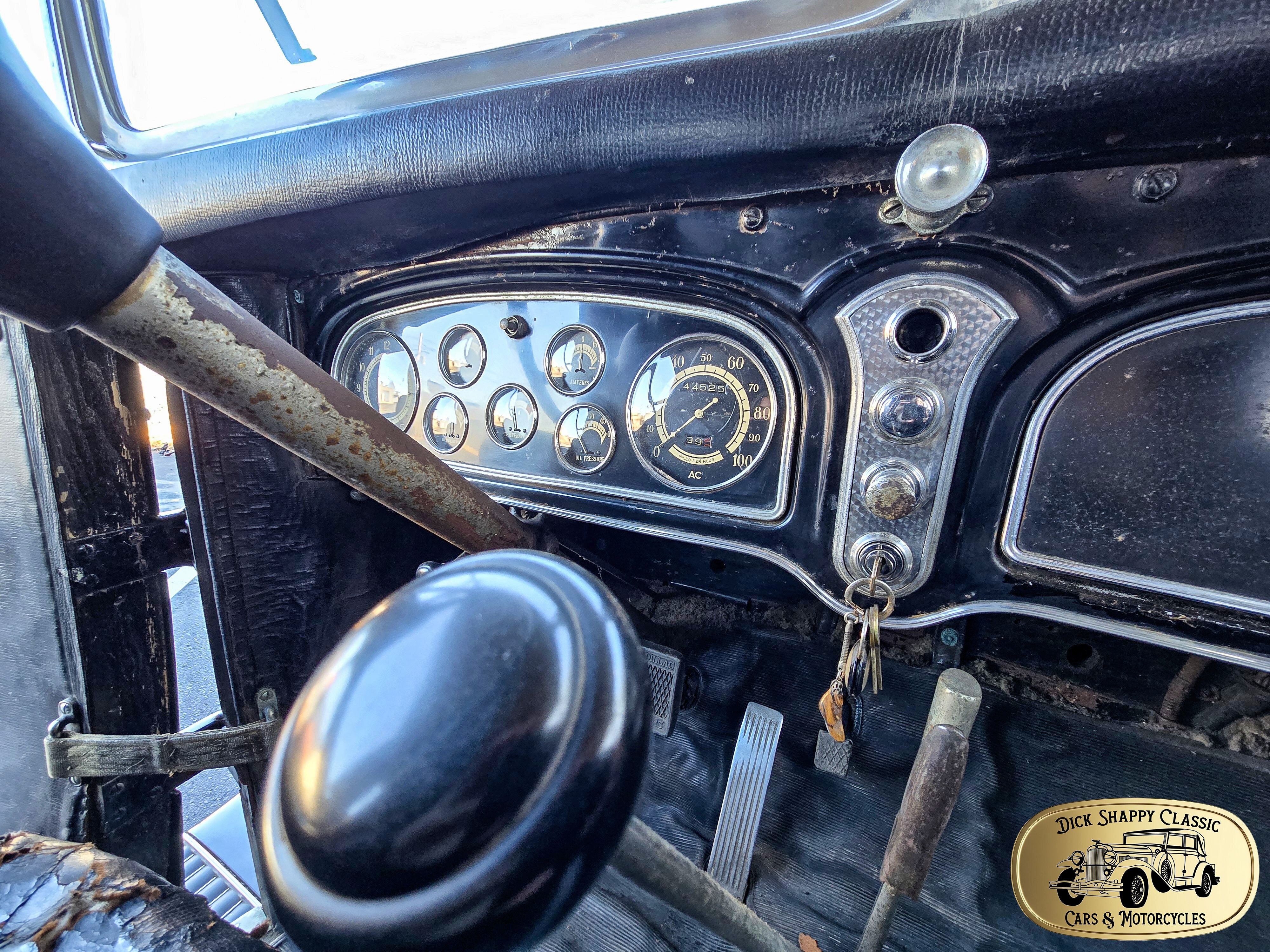
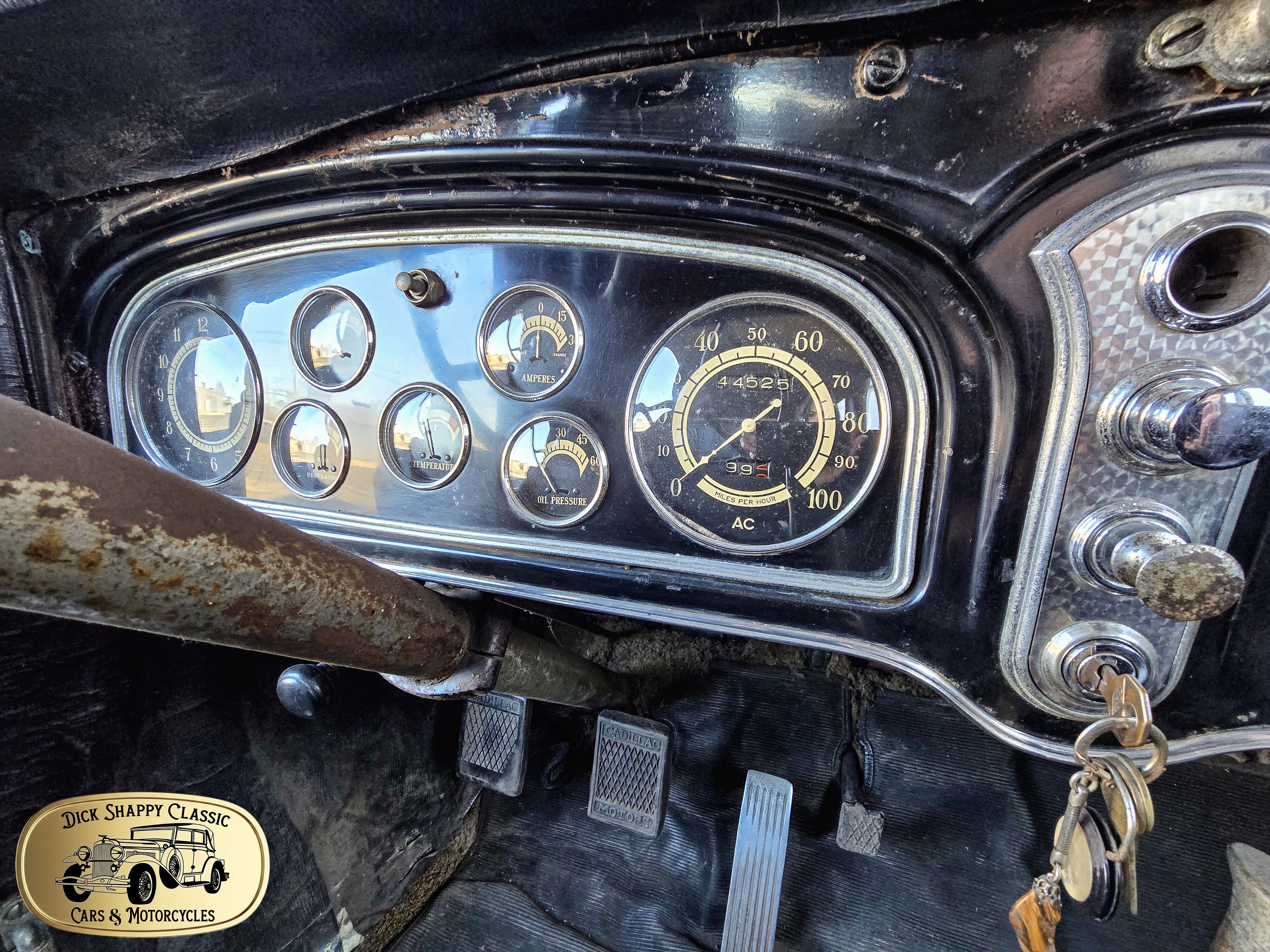
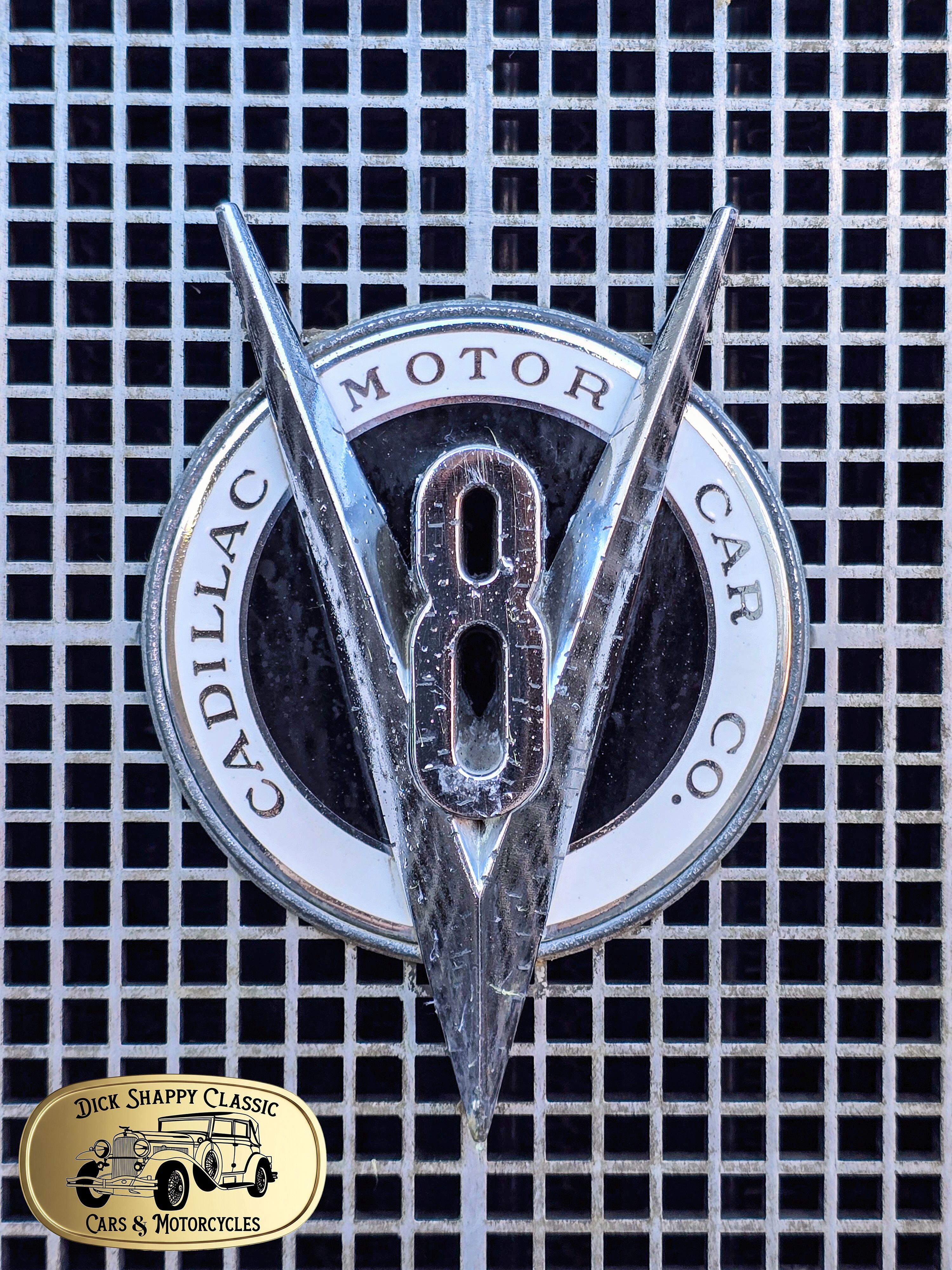
1932 Cadillac Town Car 355-B By Rollston
Inventory Number: 3039
$350,000
- SERIES: 355-B
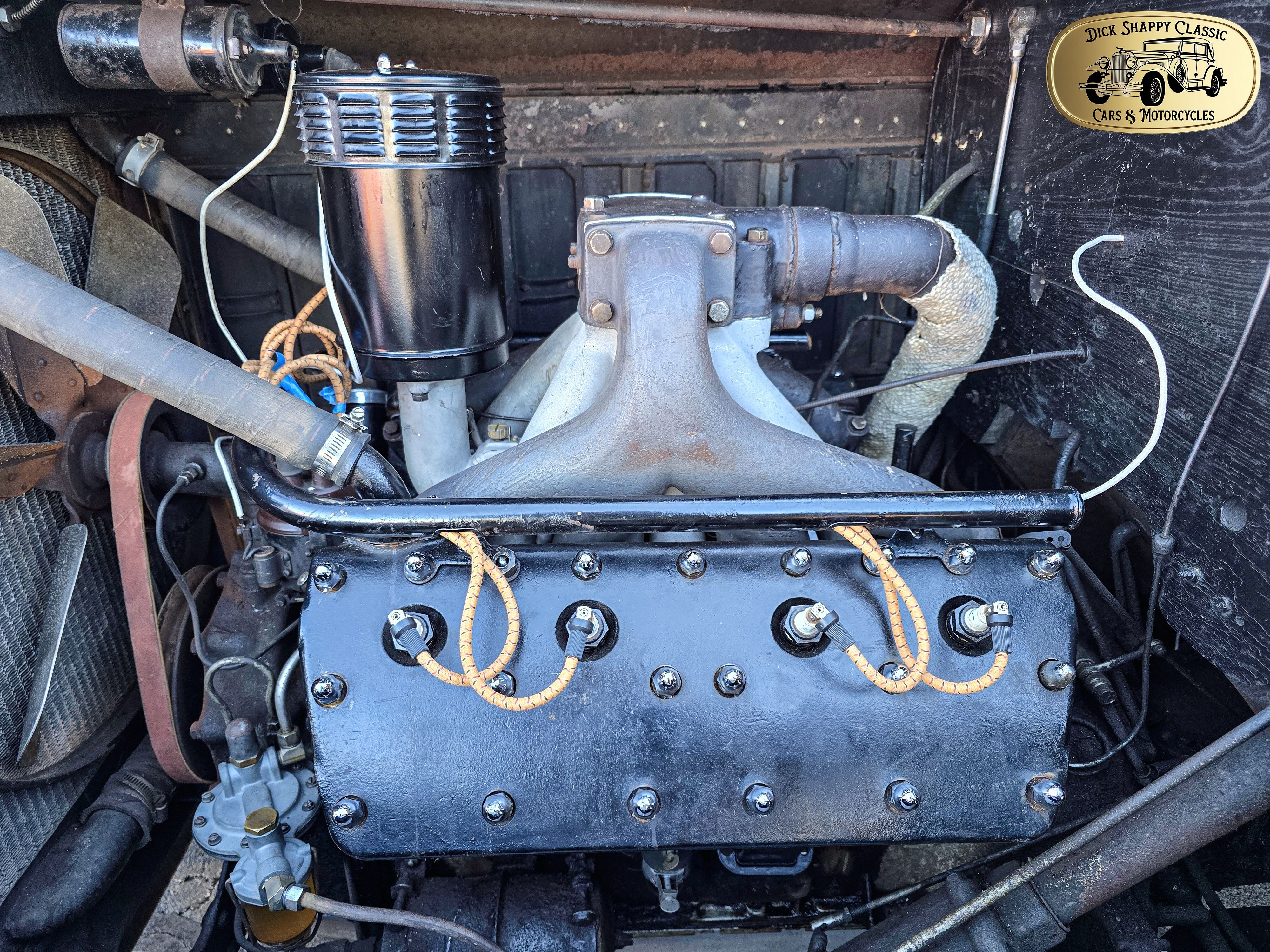
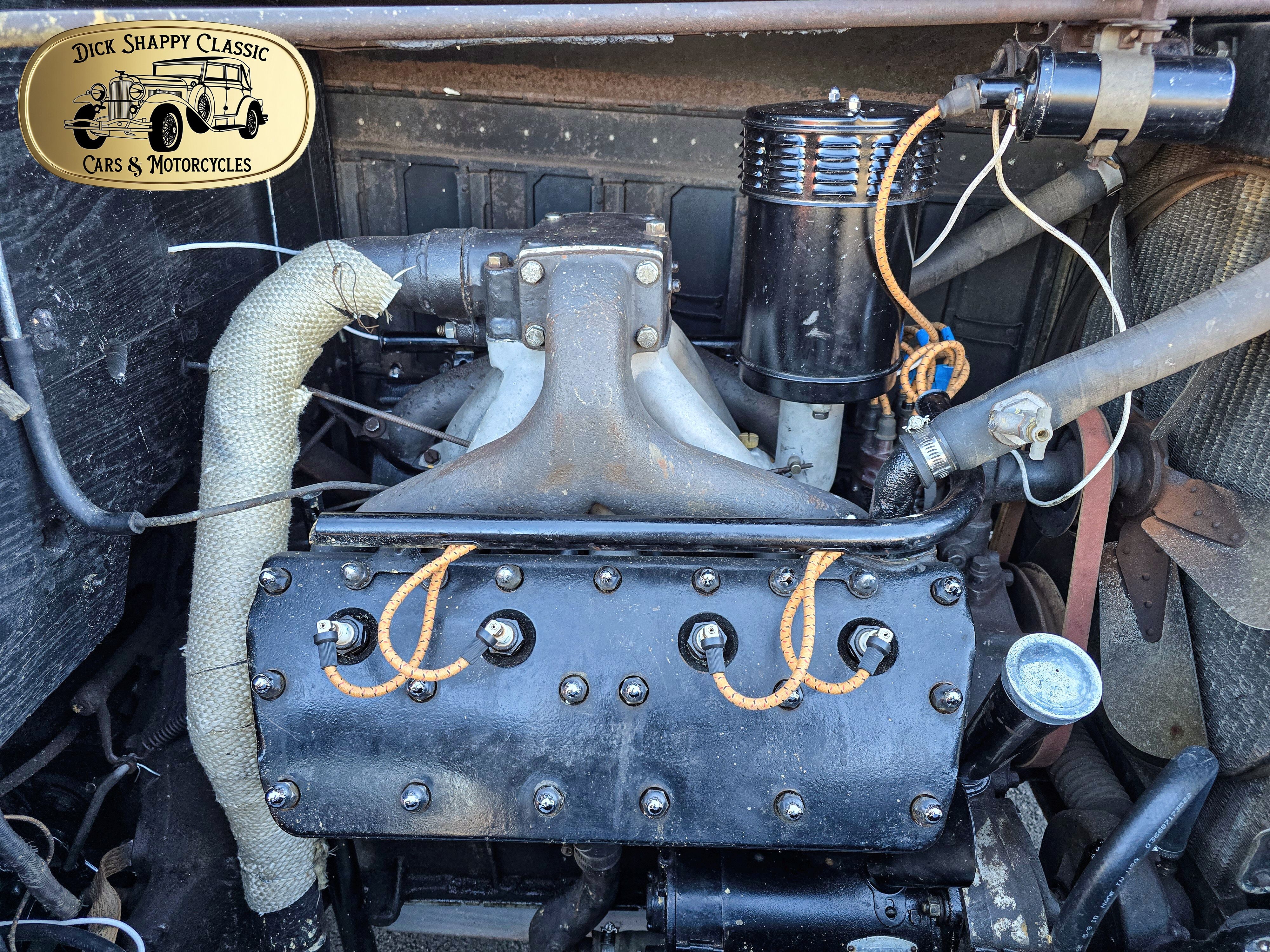
- ENGINE: V-8
- ENGINE NO: 1201165
- CHASSIS: 140 in.
- WEIGHT: 4240 LB.
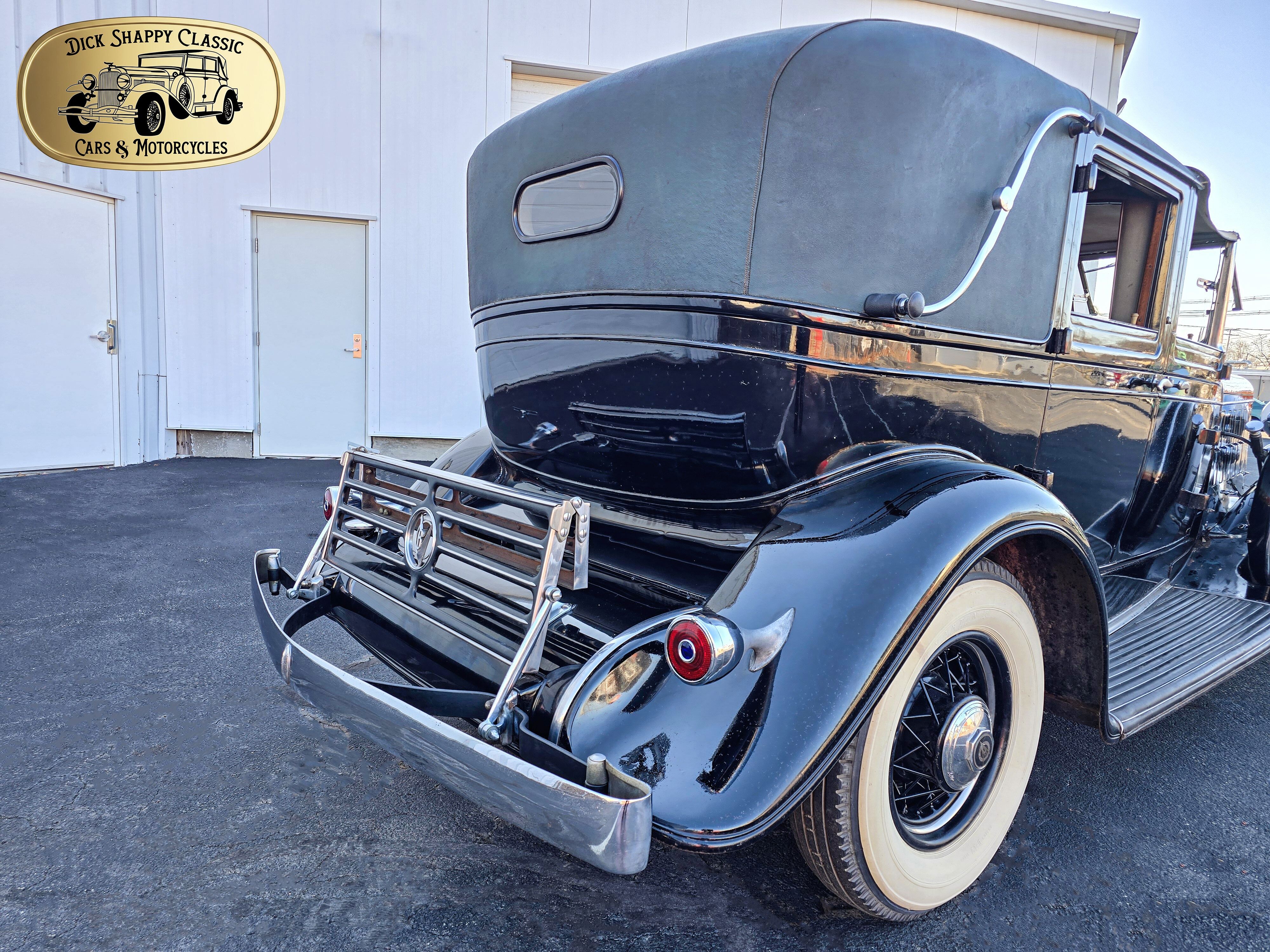
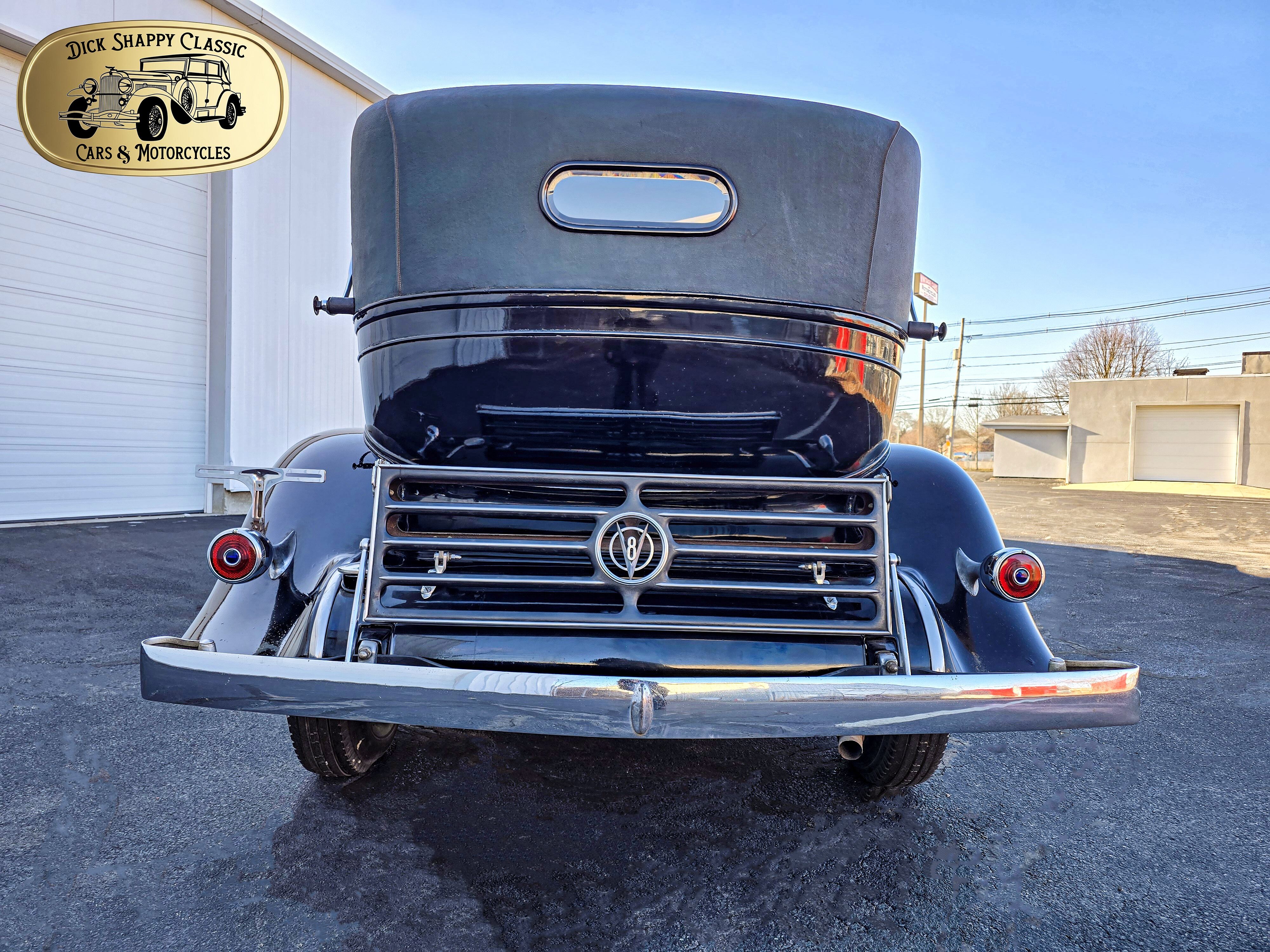
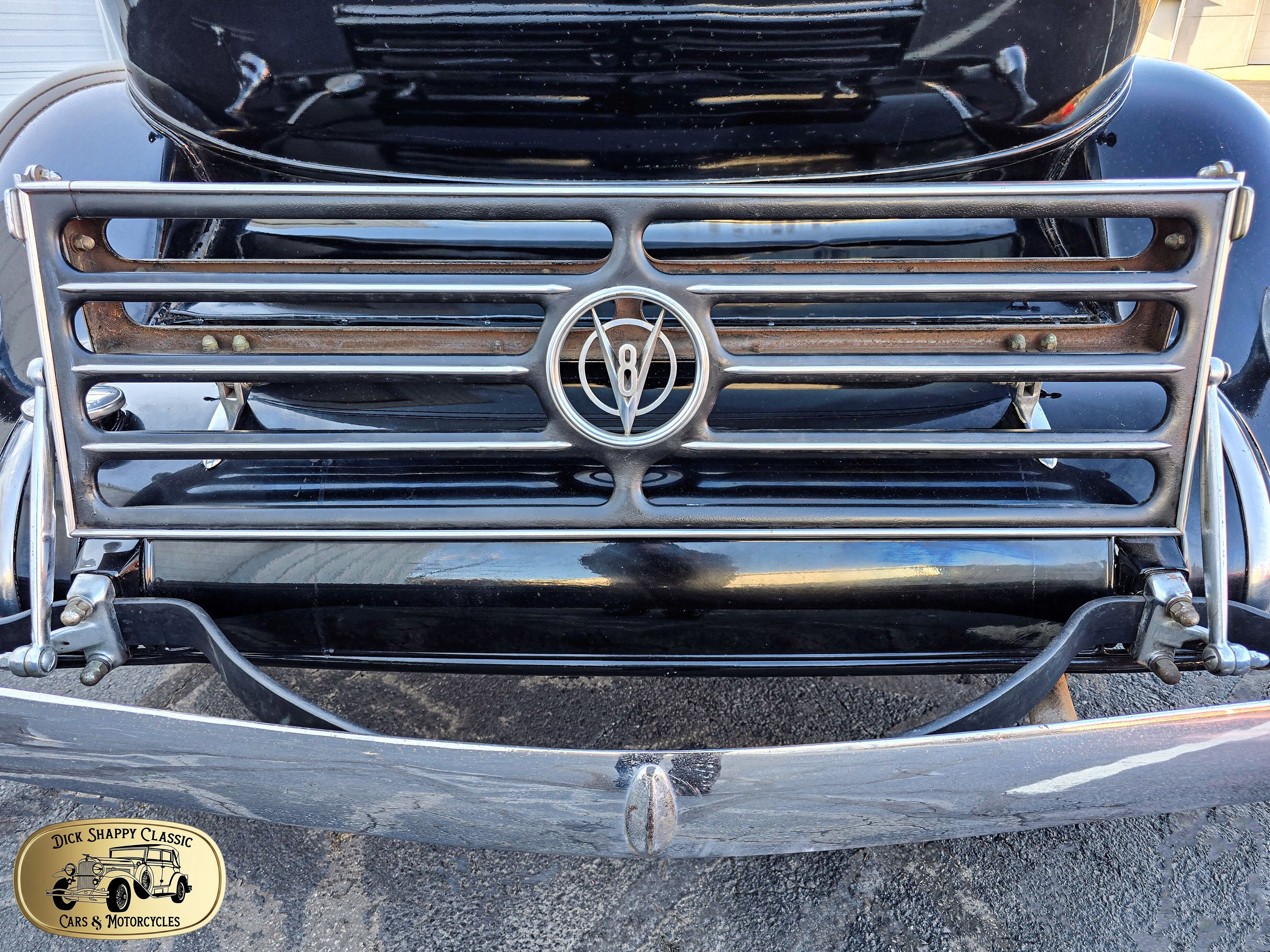
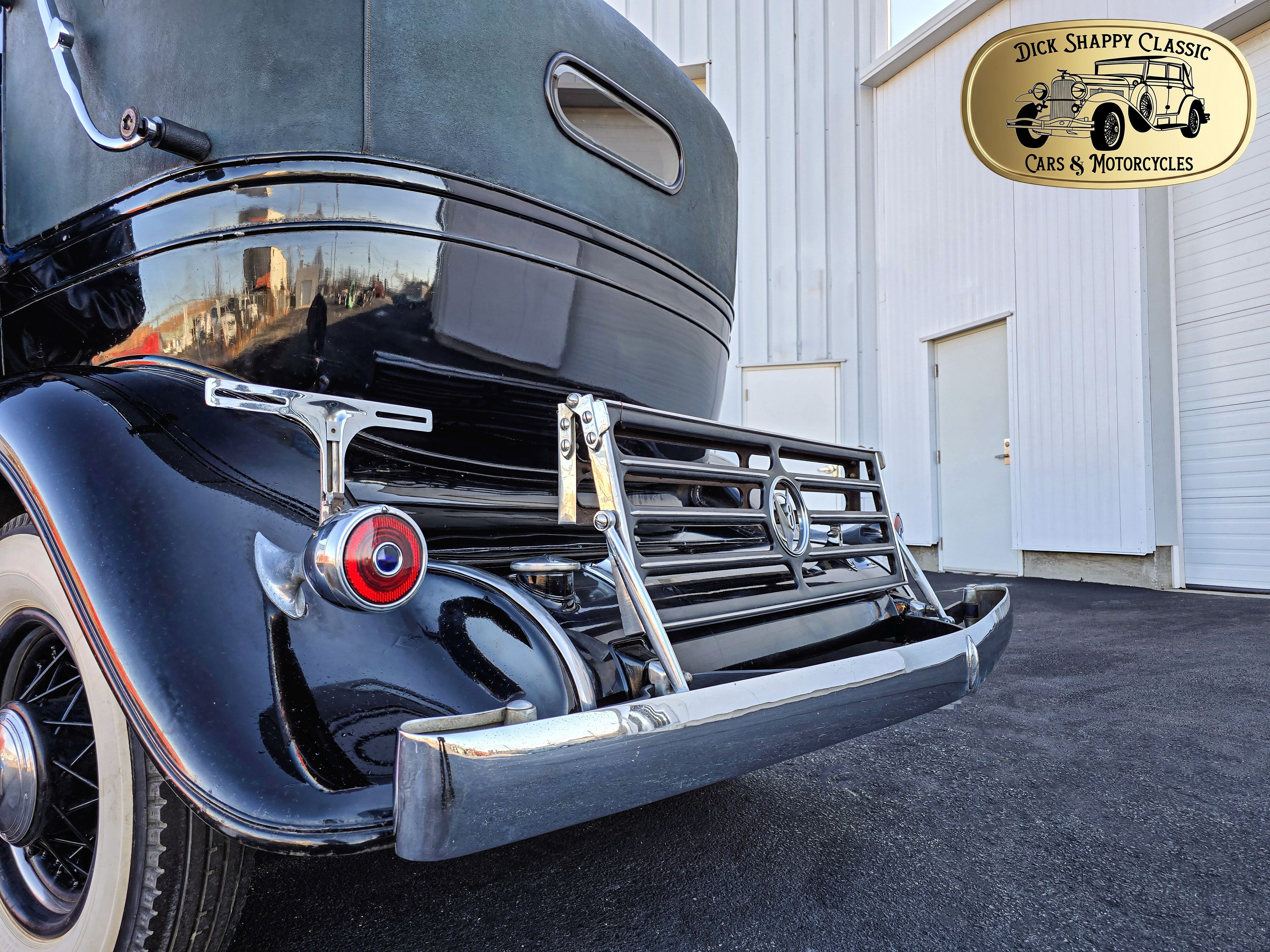
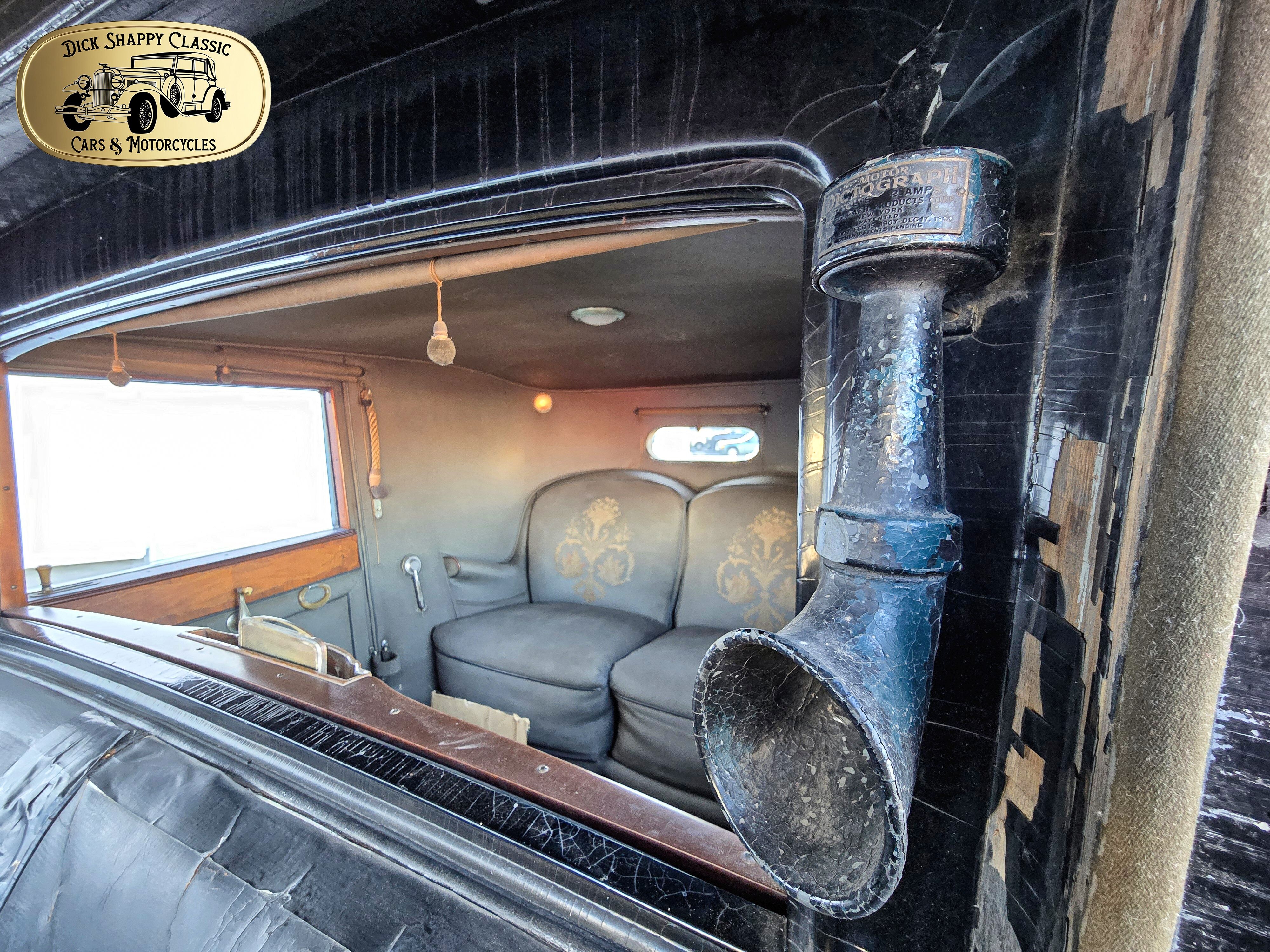
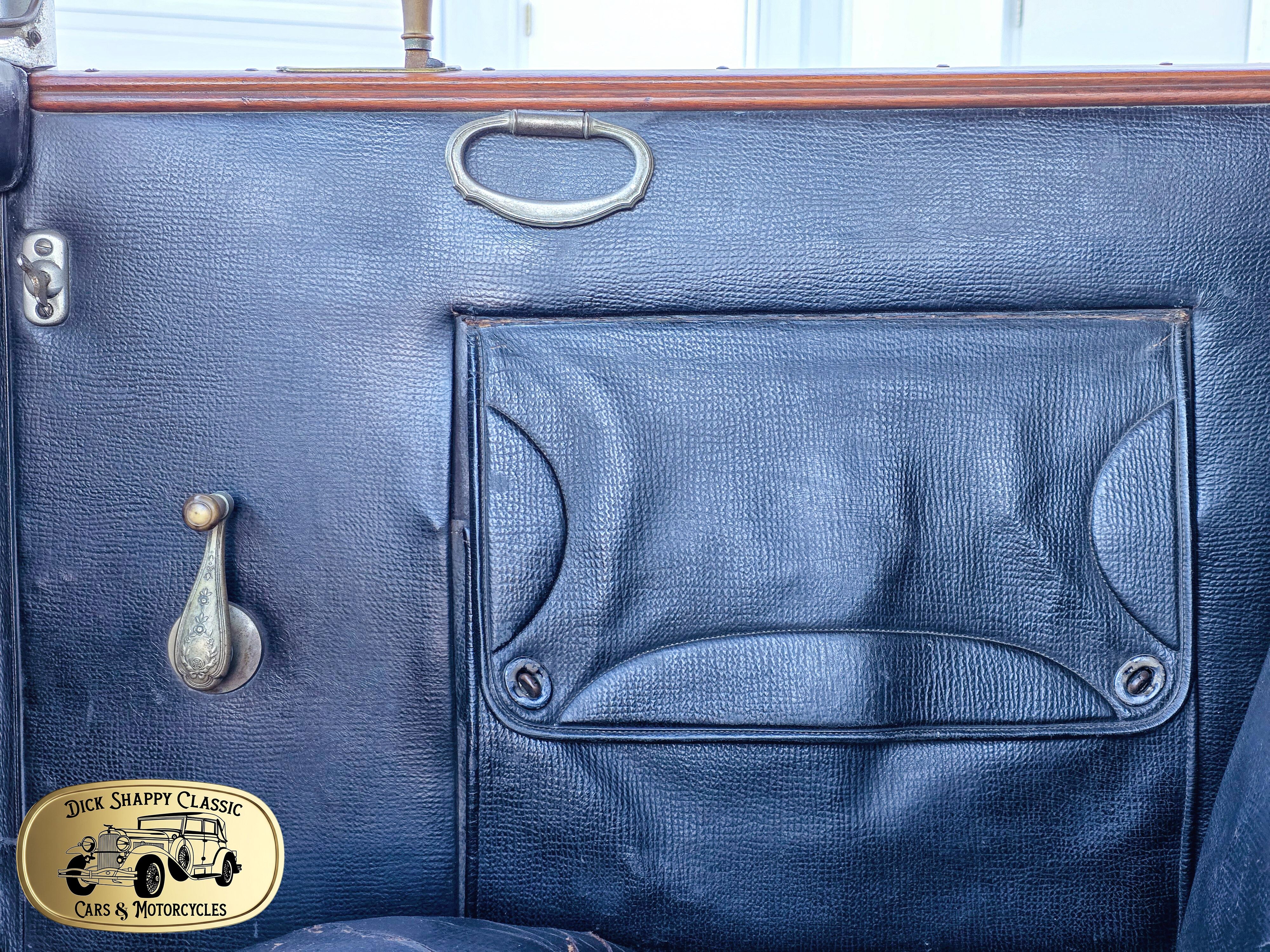
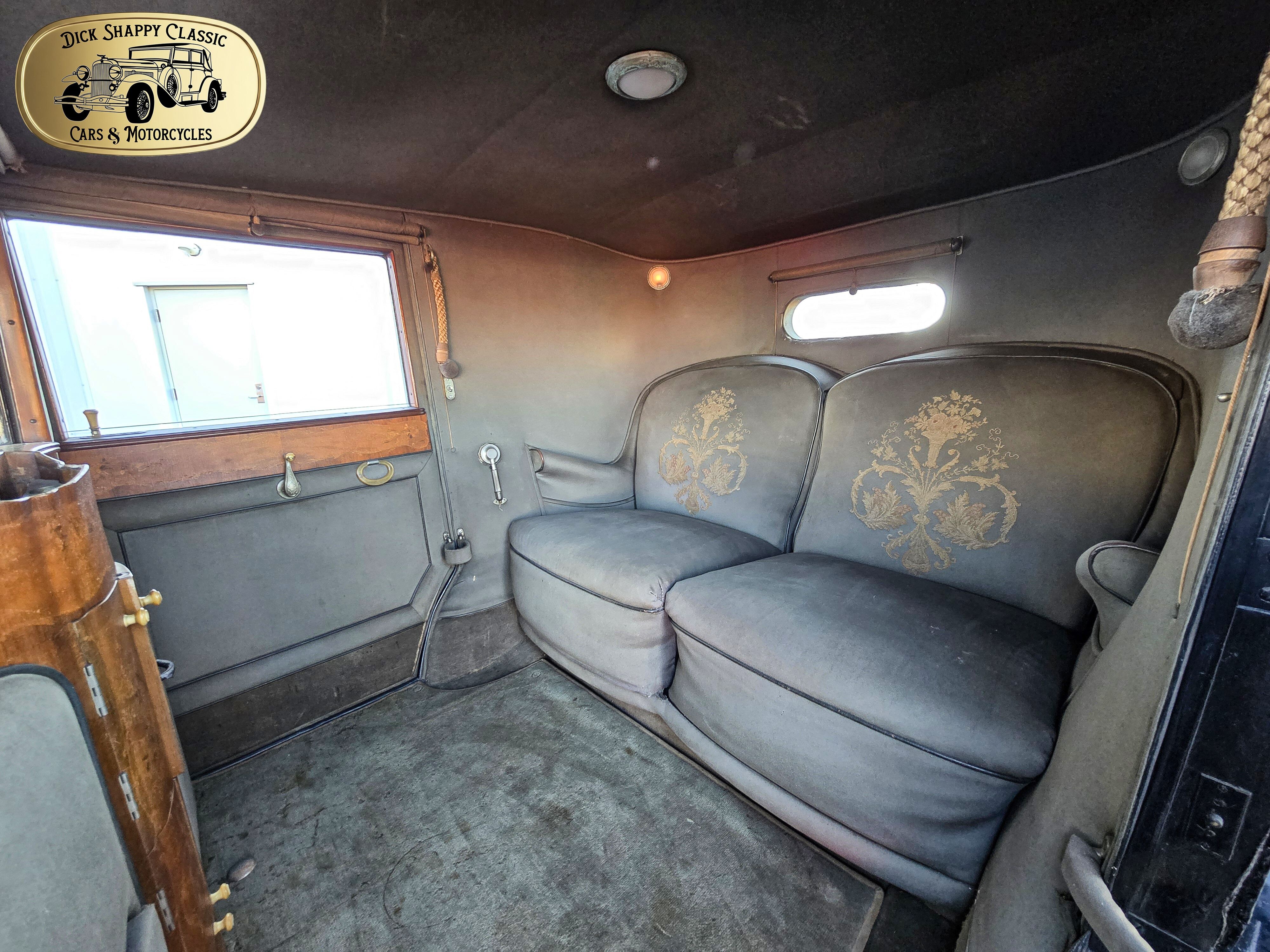
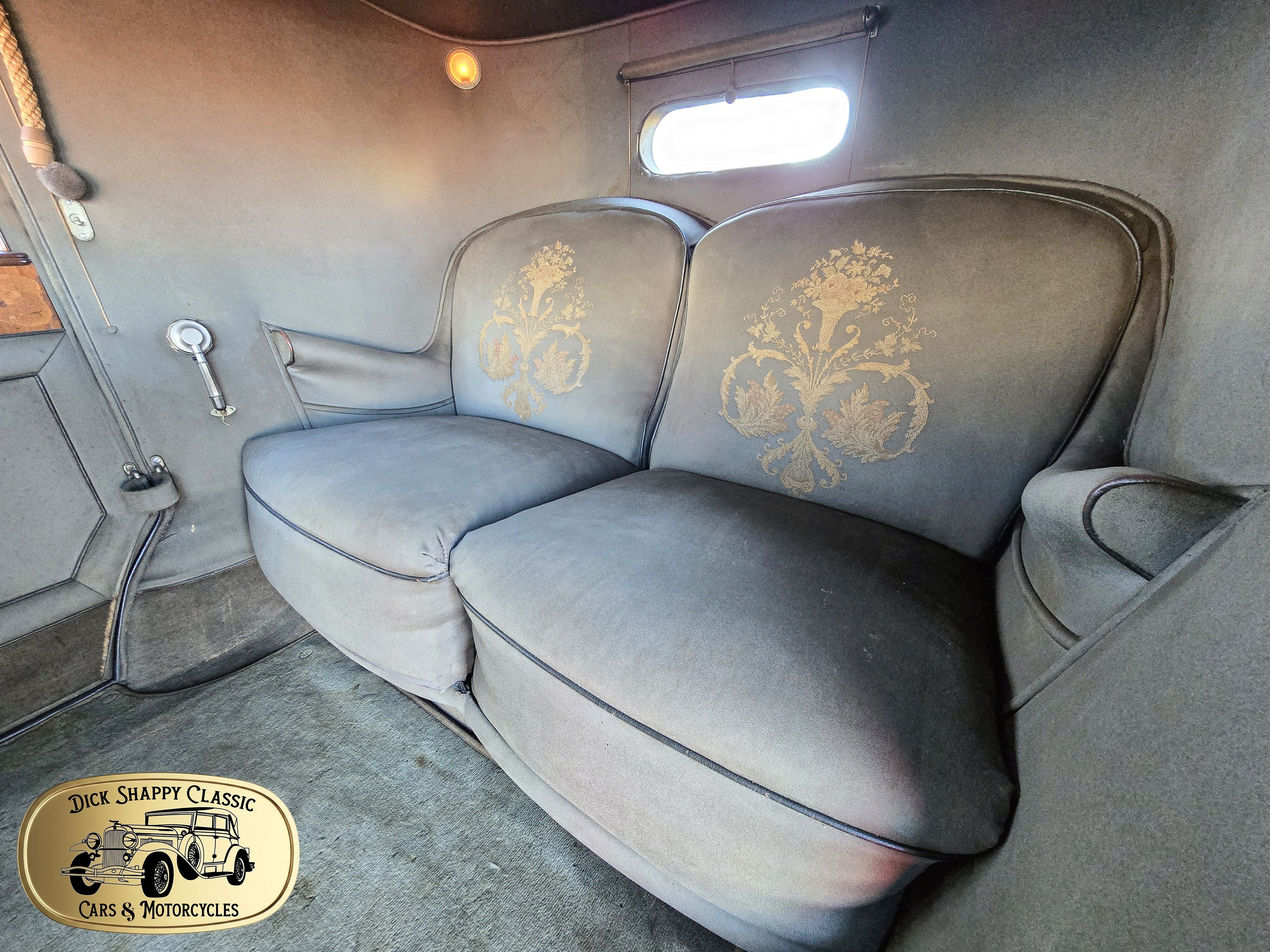
- FEATURES: Motor Dictograph, Folding Rear Trunk Rack, Rear Interior Hand Pulls & Vanity, Front Passenger Door Pocket, Dummy Cowl, Full Rear Bumper, (2) Foldable Jump Seats, Window Shades, Embroidered Rear Seat
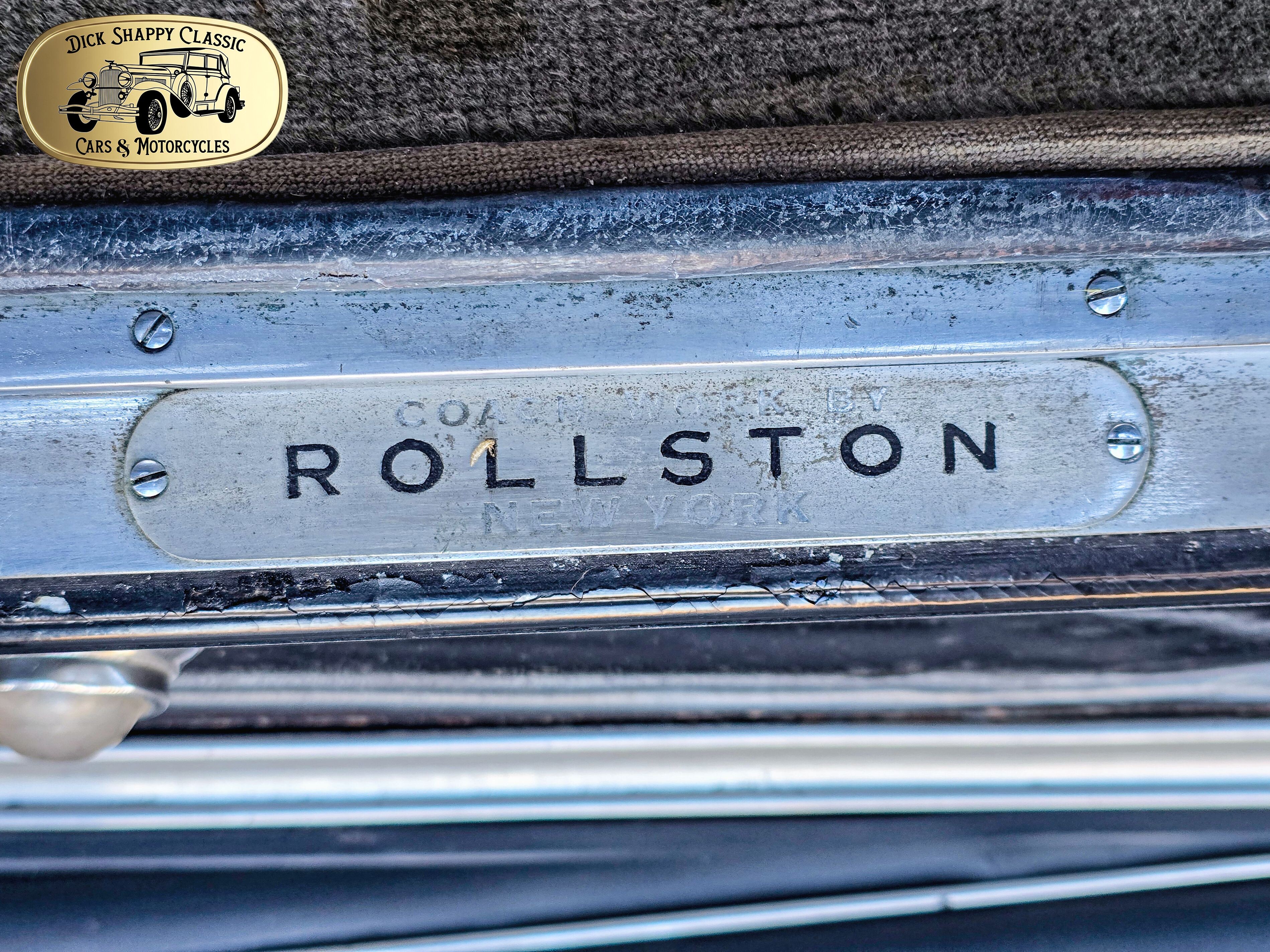
The Rollston Company was a renowned independent American coachbuilder based in Mount Vernon, New York, operating from 1921 until 1938. They specialized in bespoke luxury bodies for high-end chassis like Duesenberg, Rolls-Royce, and Packard. Rollston was celebrated for its elegant, handcrafted designs that emphasized Art Deco styling, fine wood framing, and premium materials such as aluminum panels, leather upholstery, and burled walnut interiors. During the Great Depression, Rollston produced limited-run custom bodies—often one-offs or small series—for affluent clients seeking personalized chauffeur-driven vehicles.
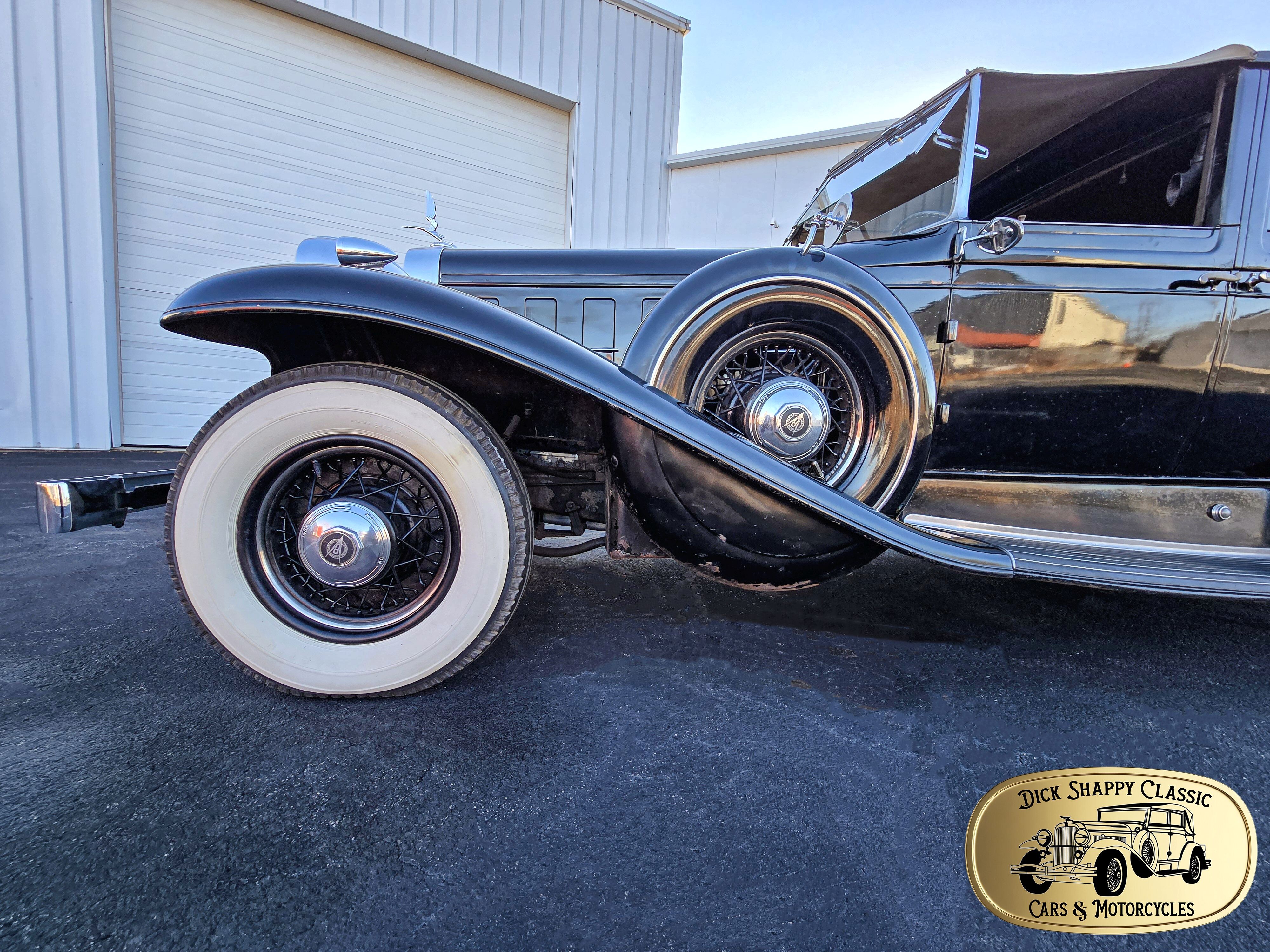
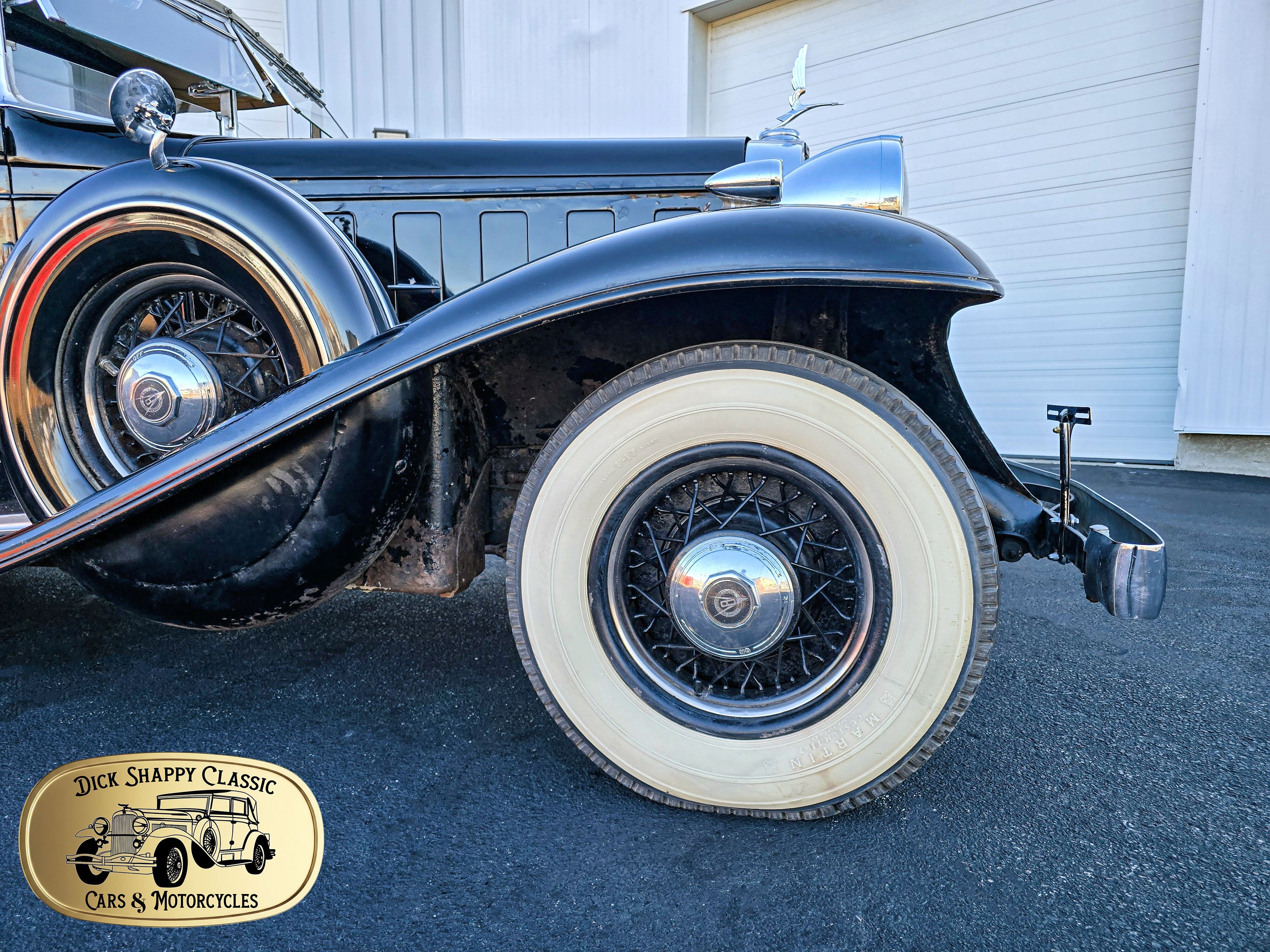
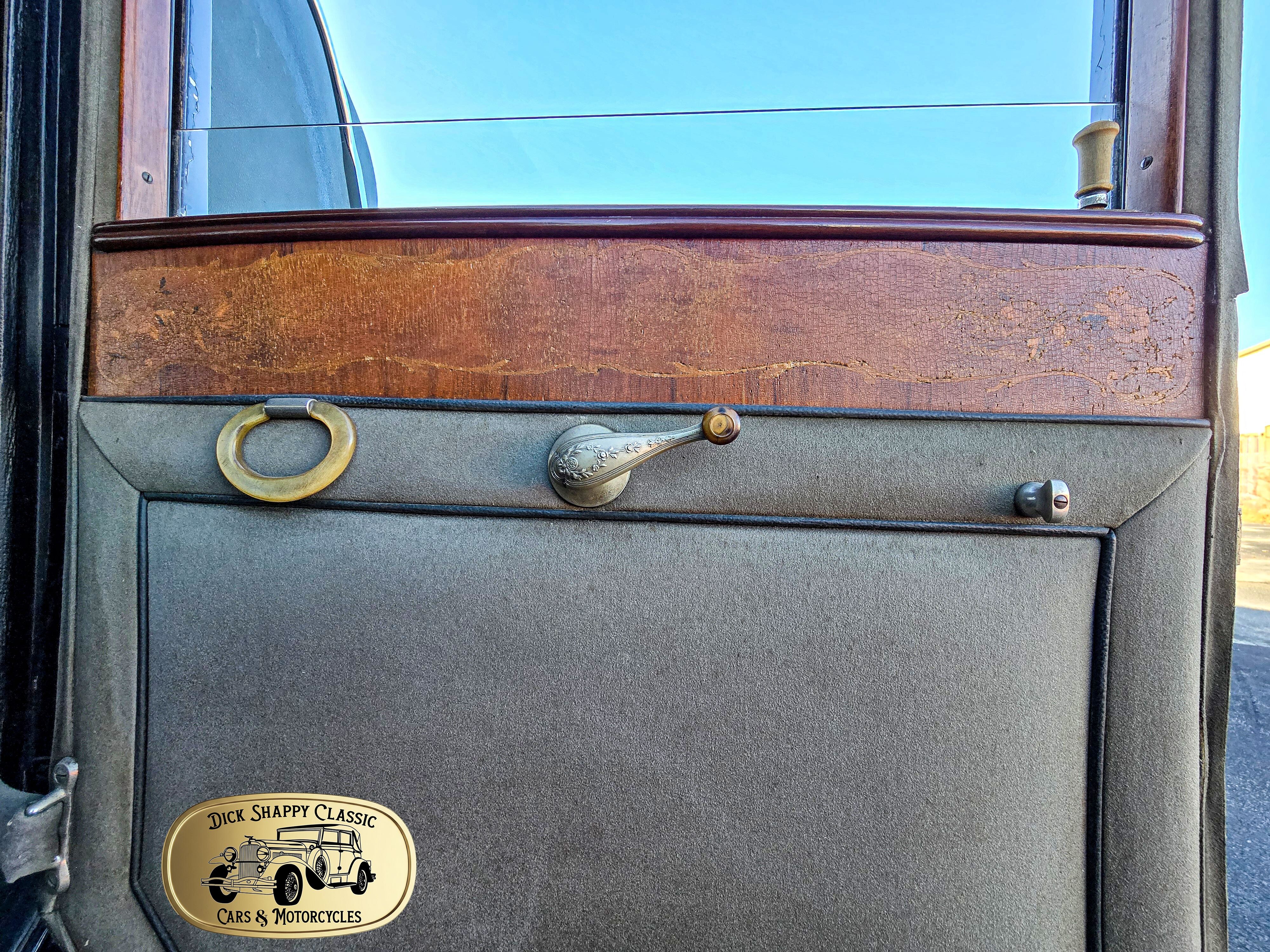
Rollston’s artistry with this 355-B V-8 elevated Cadillac’s already exceptional engineering. The open-front chauffeur town car with an enclosed passenger cab is a unique design and a far cry from the common standard body styles, including the fully enclosed five-passenger sedan. This Town Car comfortably seats six people with foldable jump seats in the passenger cabin and includes such features as interior hand pulls, an intricately embroidered rear seat, a vanity, and window shades. A dummy cowl separates the cabins with a beautifully designed motor dictograph. A motor dictograph was an optional intercom system that could be added as an accessory to high-end, chauffeur-driven limousines and town cars, allowing passengers to communicate with the driver through a privacy partition. The system consists of a passenger microphone and a speaker for the chauffeur in the front compartment. In addition, this town car is fitted with a folding rear trunk rack, and the closer you look, the more amenities you find, such as the leather pocket sewn into the upholstery for the front passenger.
Little is known about the original owners of this vehicle, but letters were uncovered in the glovebox along with the original manual and a tin of replacement lightbulbs. Dated 1933, the letters are addressed to Mr. & Mrs. William B. Ward and a Master Jack B. Ward, the “Master” indicating the esteemed place in society of the presumed original owners. Whoever they may have been, they took care in the preservation of the vehicle.
This car is the sole surviving 1932 Rollston-bodied Series 355-B Town Car, preserved in exceptional condition and eligible for the Pebble Beach Concours d’Elegance Preservation Class. It emerged from over forty years of climate-controlled storage and has been meticulously maintained, requiring no major restorations.
CADILLAC
In 1902, Henry Ford left the Henry Ford Company with several of his key partners. With Henry M. Leland of Leland & Faulconer Manufacturing Company, they began manufacturing automobiles with Leland’s single-cylinder engine. They named this venture Cadillac Automobile Company after the French explorer who founded Detroit in 1701, Antoine Laumet de La Mothe, sieur de Cadillac, and based the logo on his coat of arms. This made Cadillac among the first automotive brands in the world, and they immediately began producing 10 HP horseless carriages called Runabouts and Tonneaus that were almost identical to the Ford Model A. Because of their precision manufacturing and reliability, Cadillac quickly accumulated orders and in 1905, merged with Leland to form the Cadillac Motor Company. By 1906, they were the first volume manufacturer of a fully enclosed car and gained international notice as the awards for interchangeability and reliability began to pile up.
It’s no wonder that General Motors took notice of America’s premier luxury car maker and purchased it in 1909. Together, they founded the mass production of automobiles and many innovations, including the first full electrical systems, Synchro-Mesh manual transmission, the first mass-produced automatic transmission, steel roofs, dual-plane crankshafts, and shatter-resistant glass. Of the three engines they developed, the V8 set the standard. They would go on to make more than large luxury vehicles, producing limousines, military vehicles, ambulances, and even hearses. In the midst of the Great Depression, they introduced the iconic V-16 engine, and sales bounced back and then some by 1940.
To this day, Cadillac automobiles, a pinnacle of GM’s 2.7 million vehicles sold in 2024, remain a global brand of luxury.