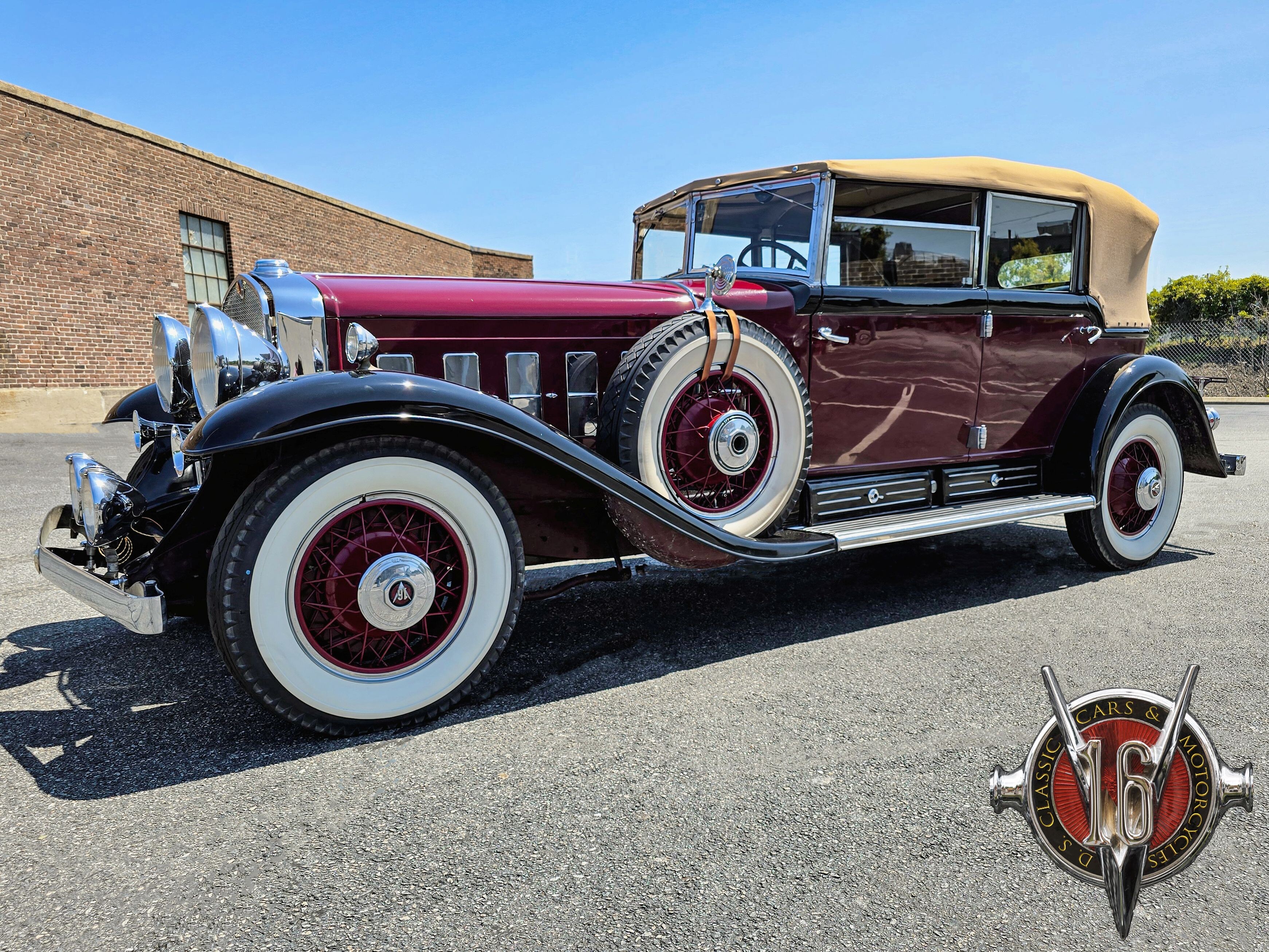
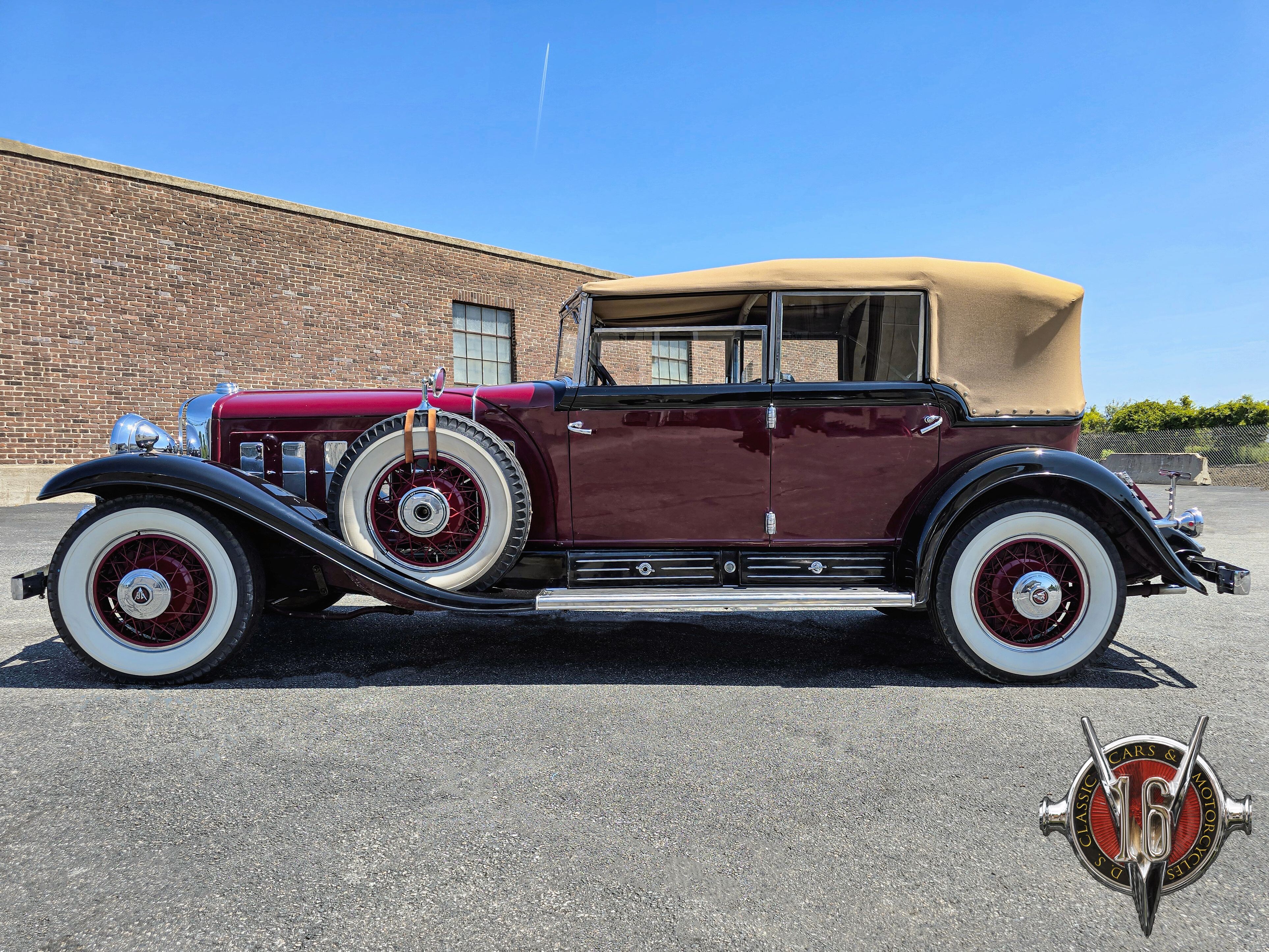
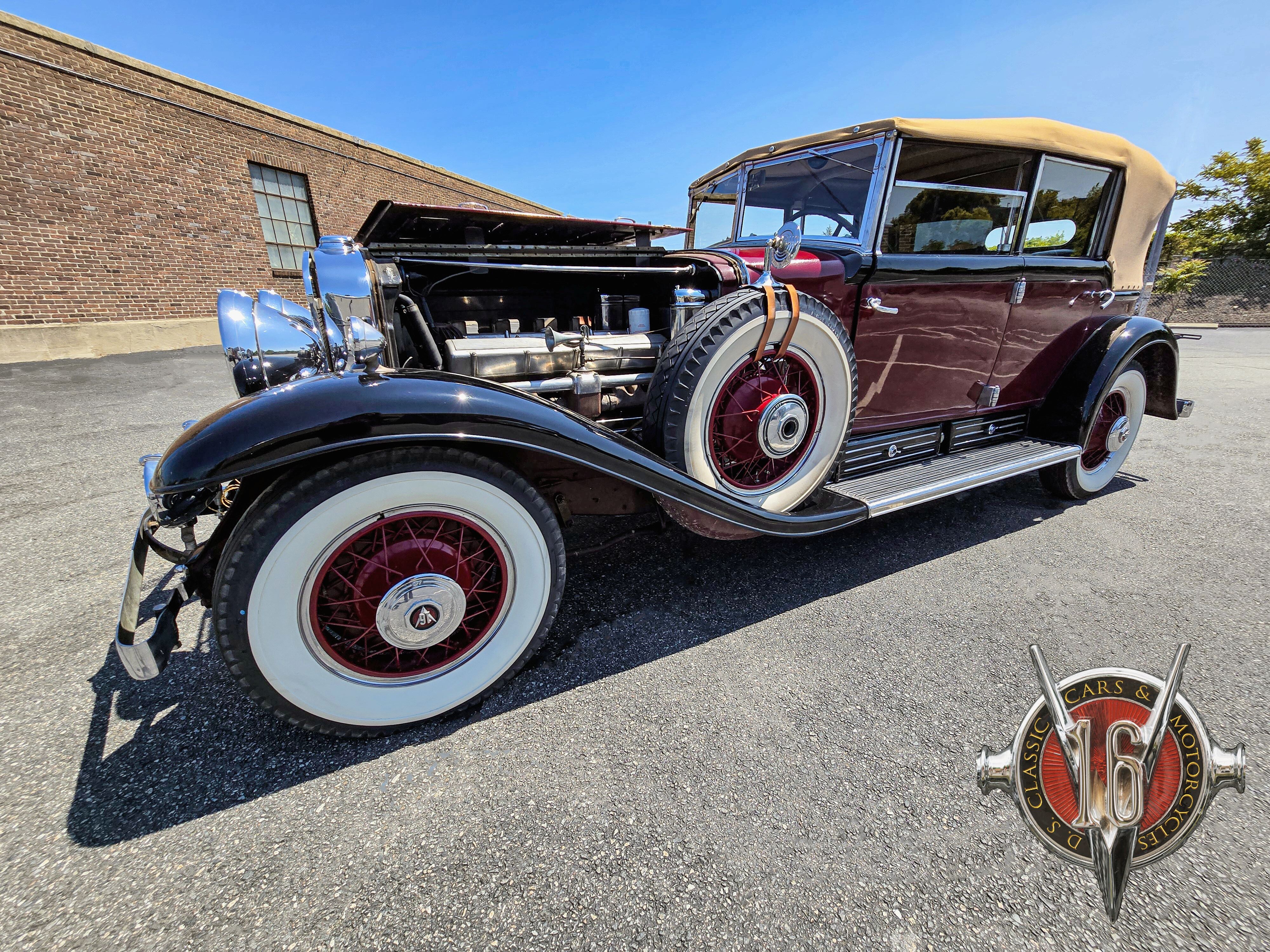
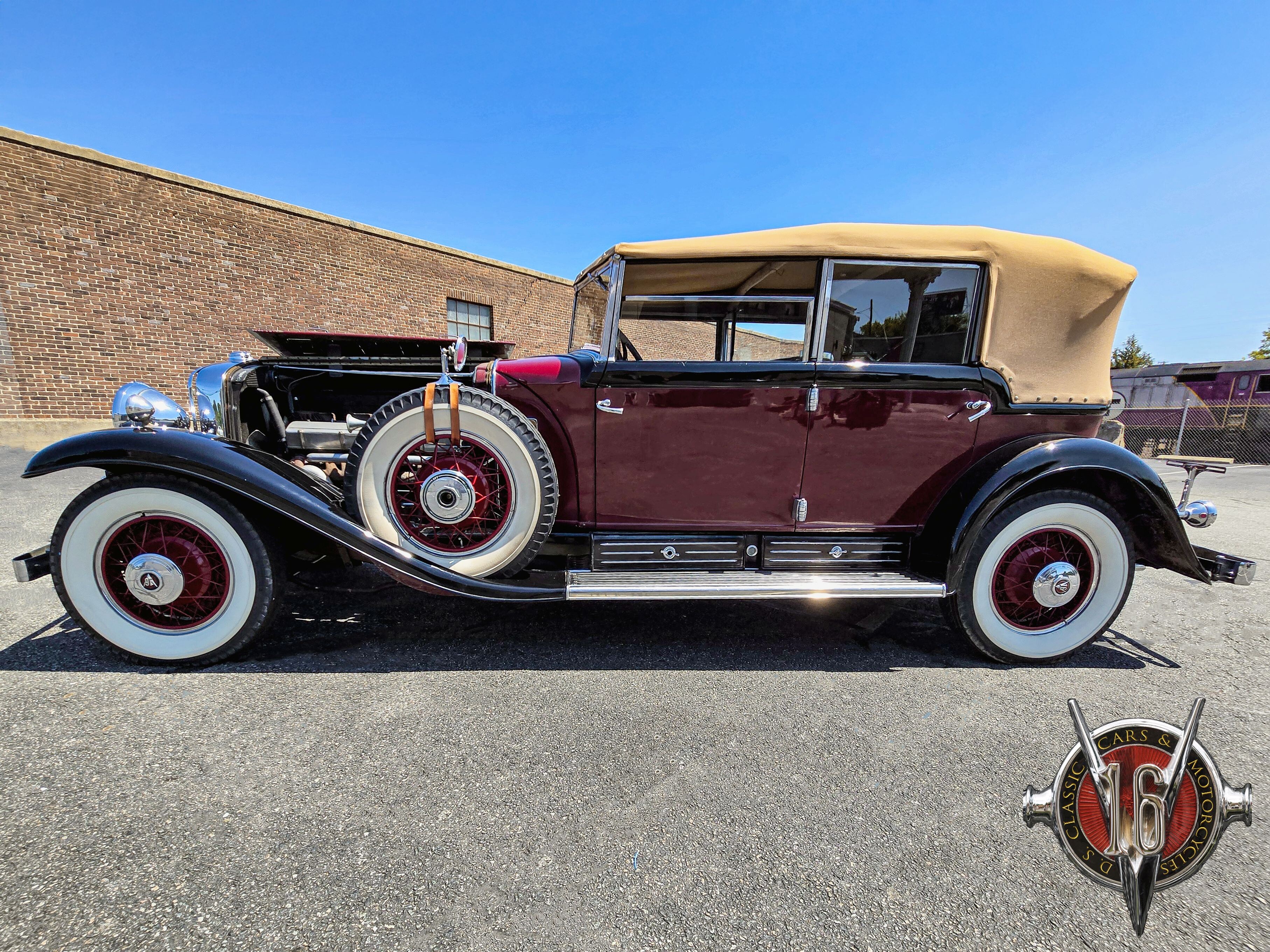
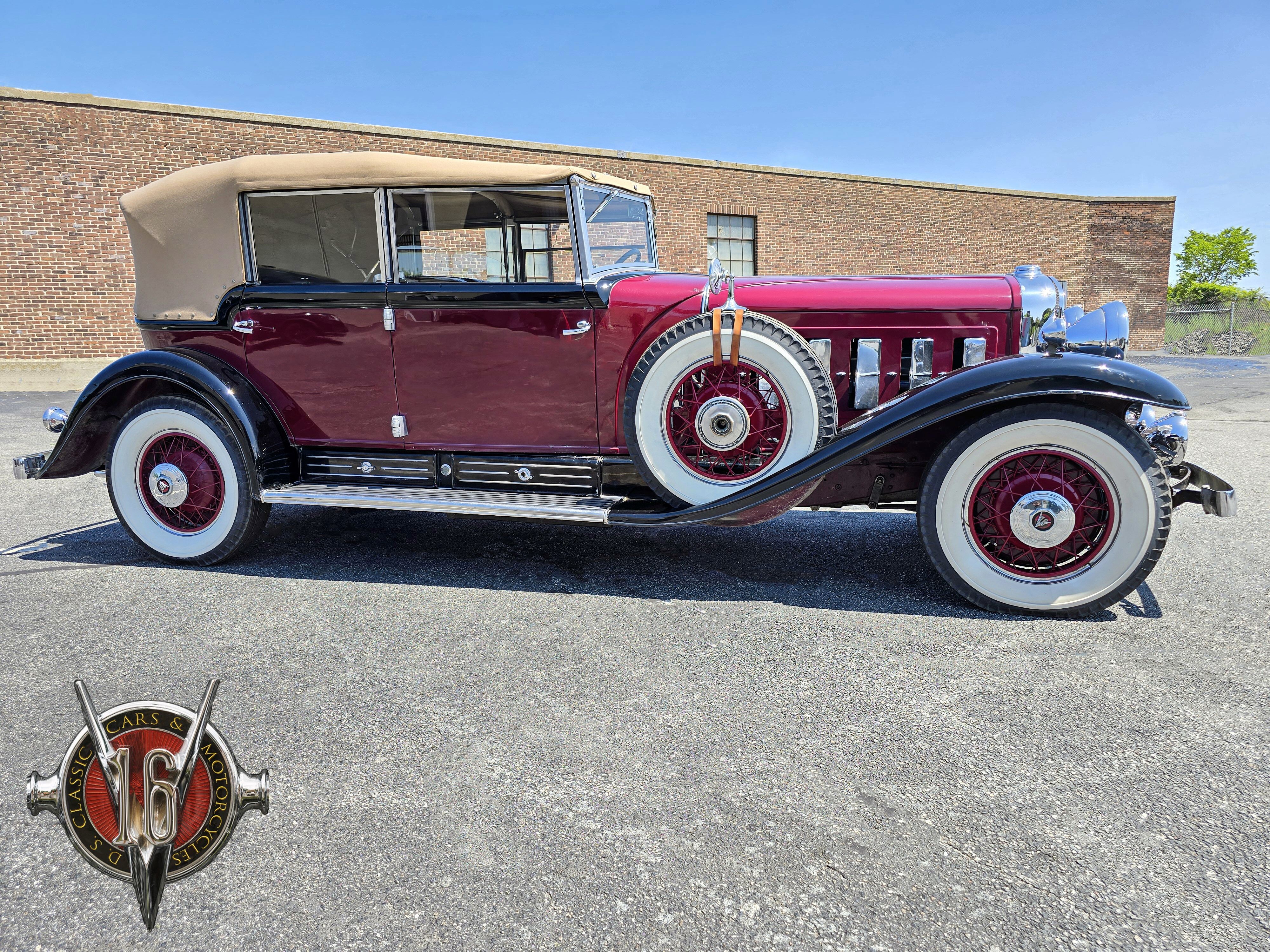
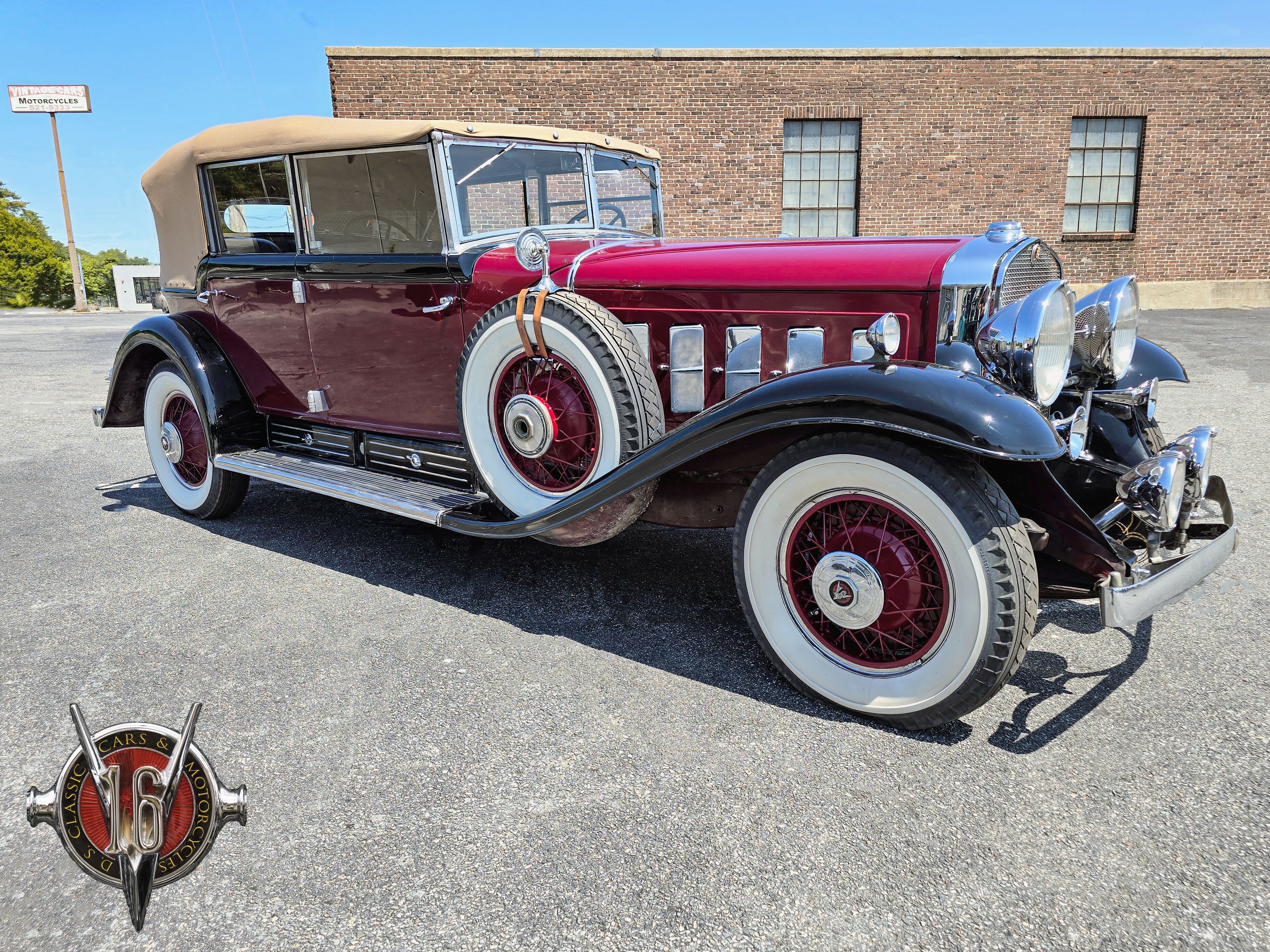
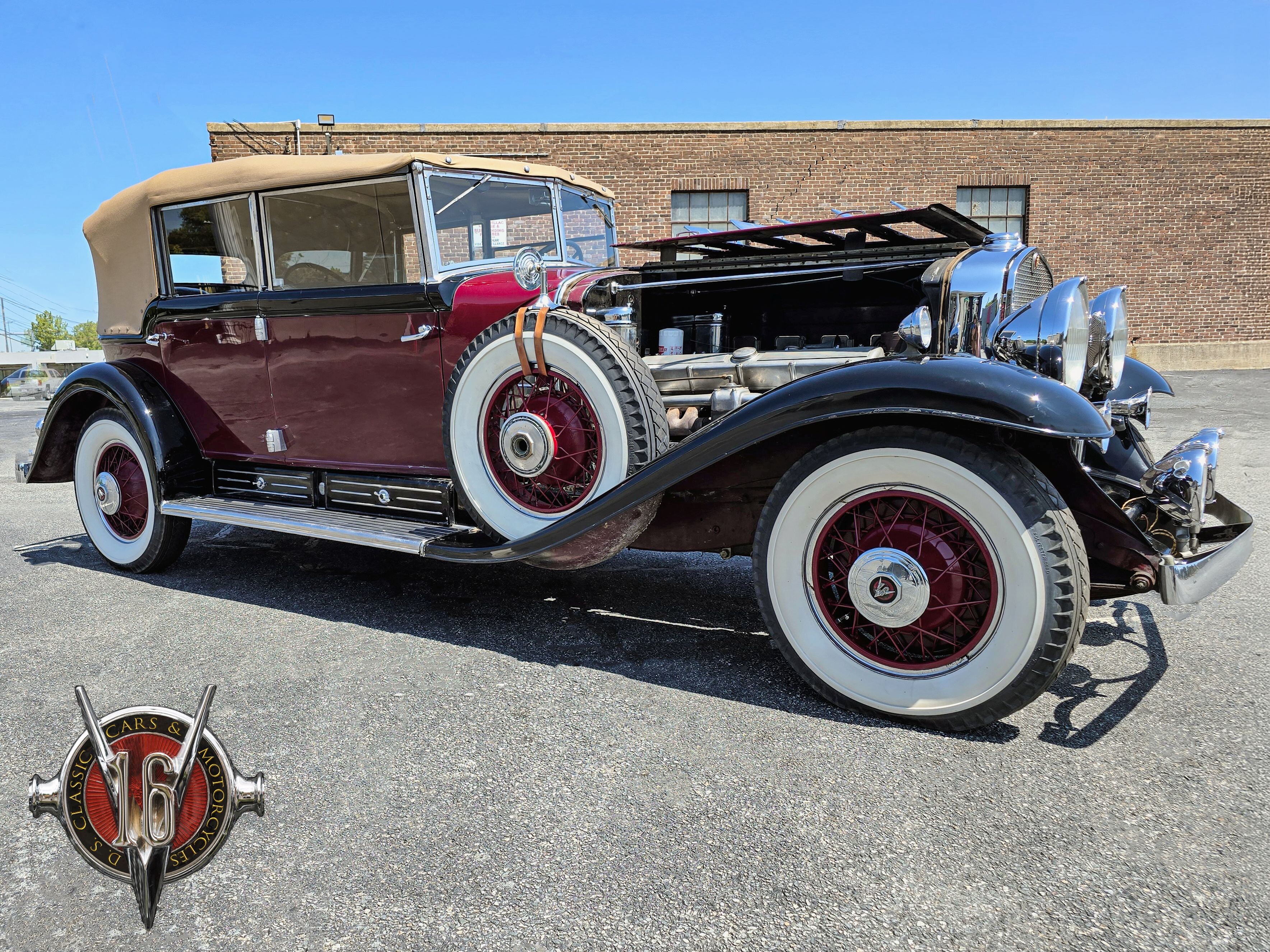
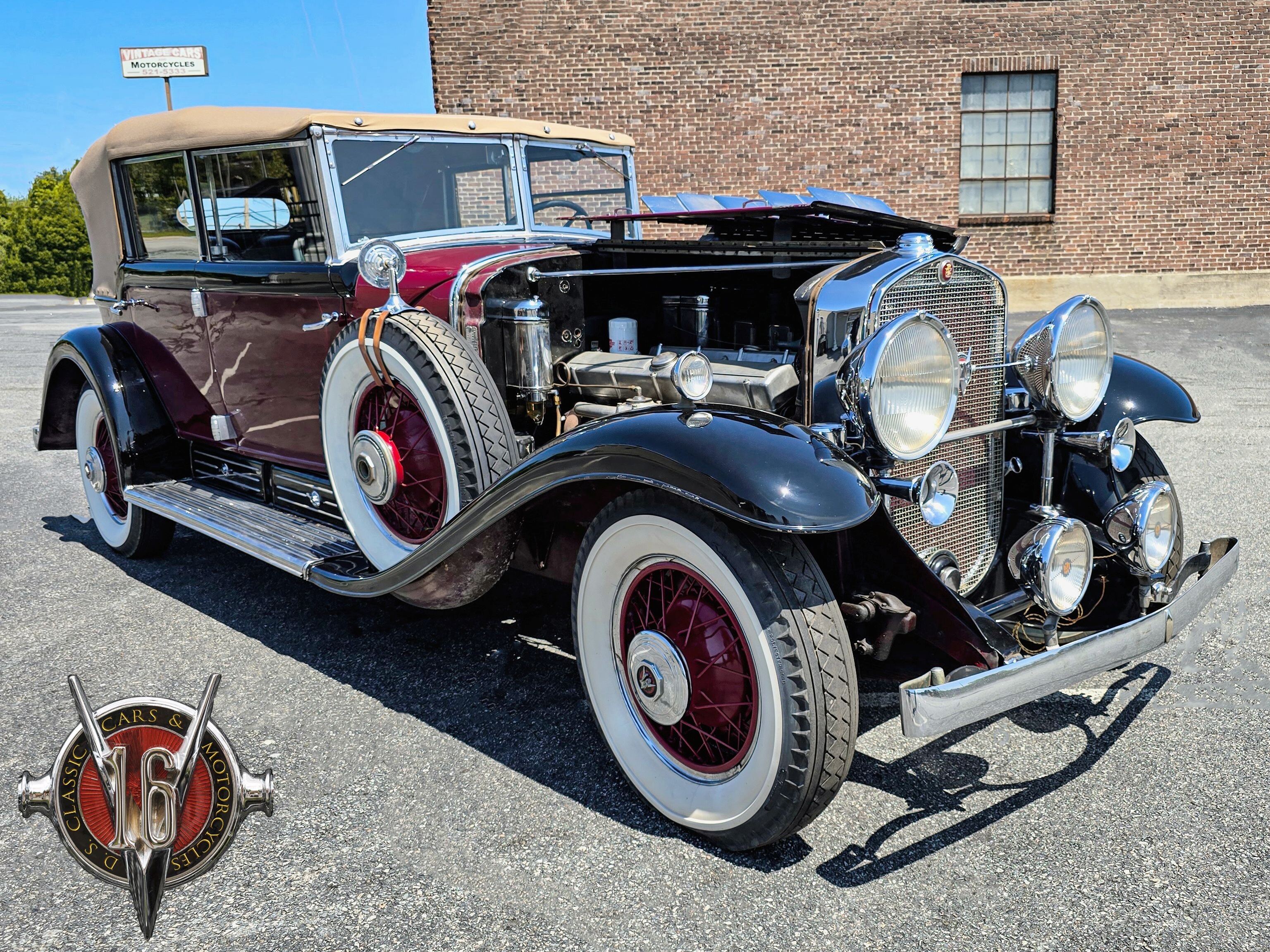
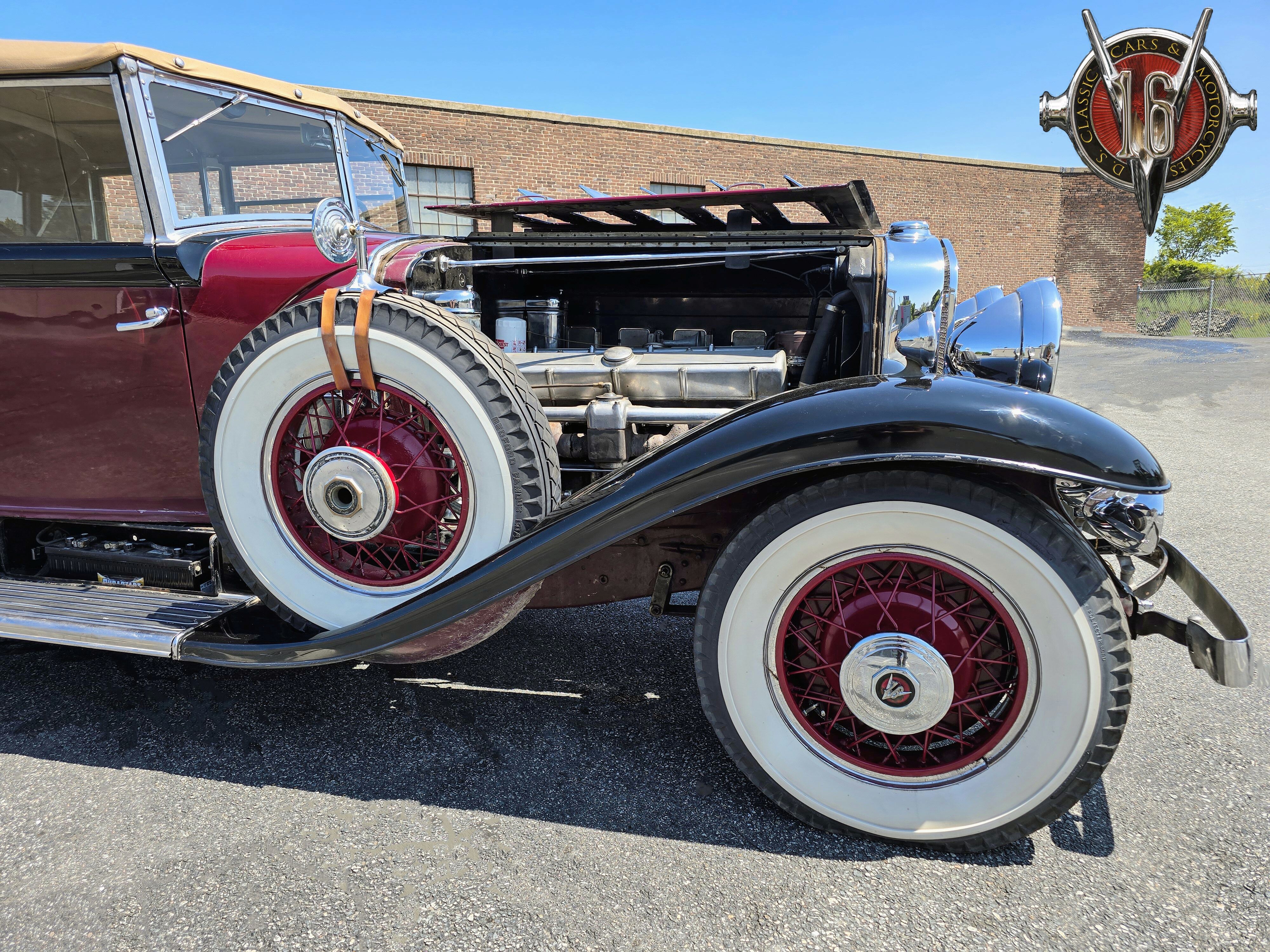
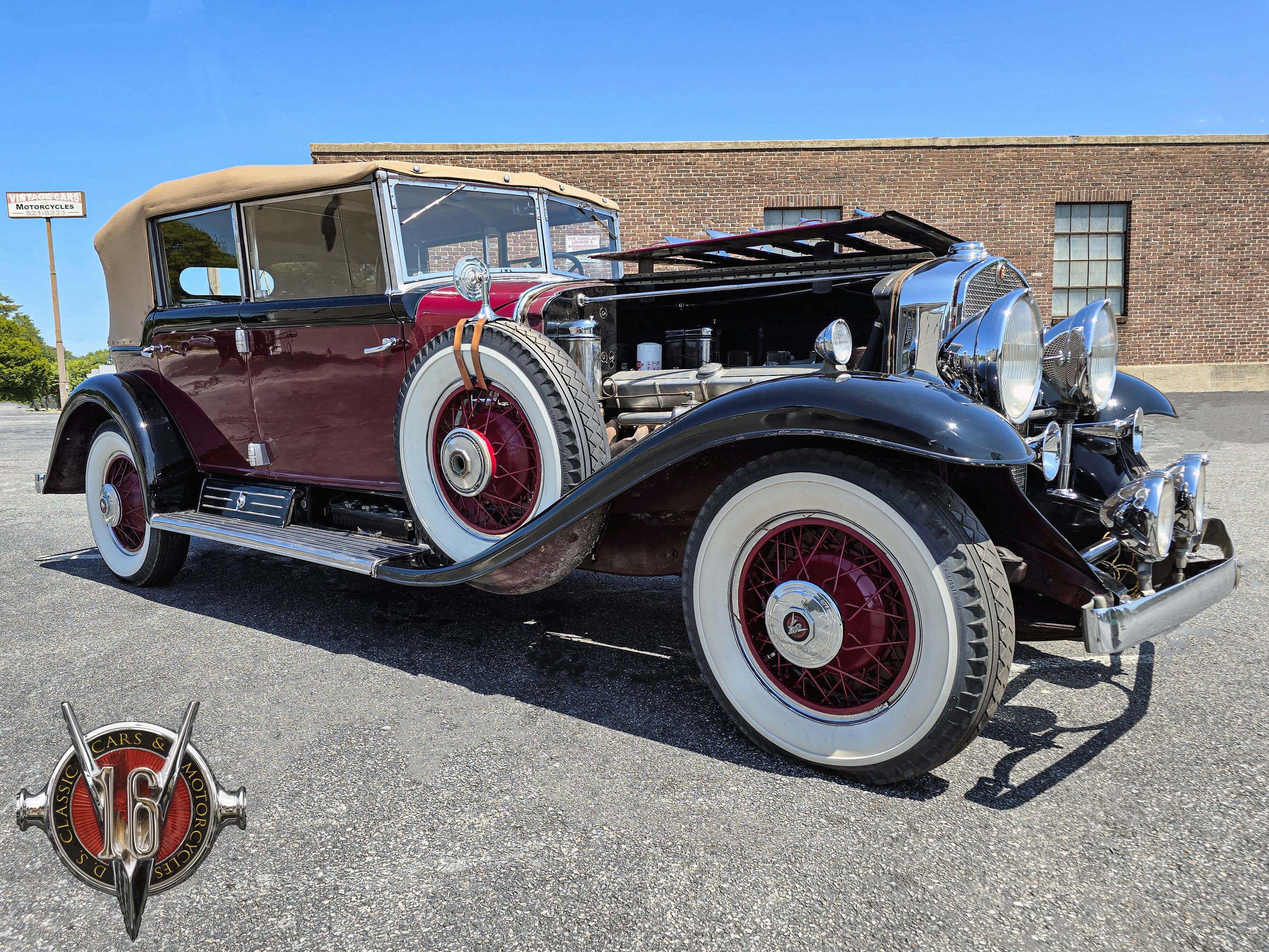
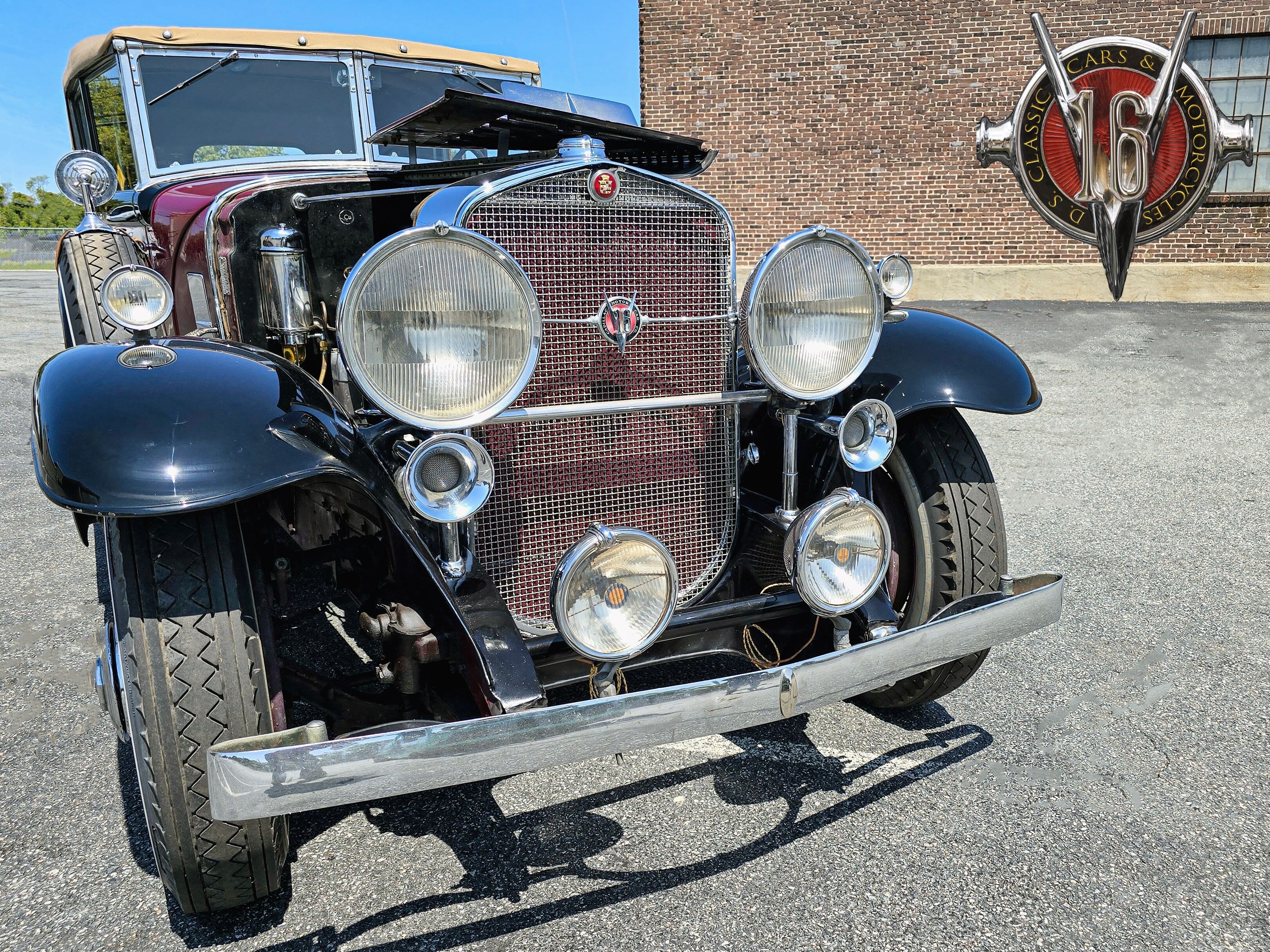
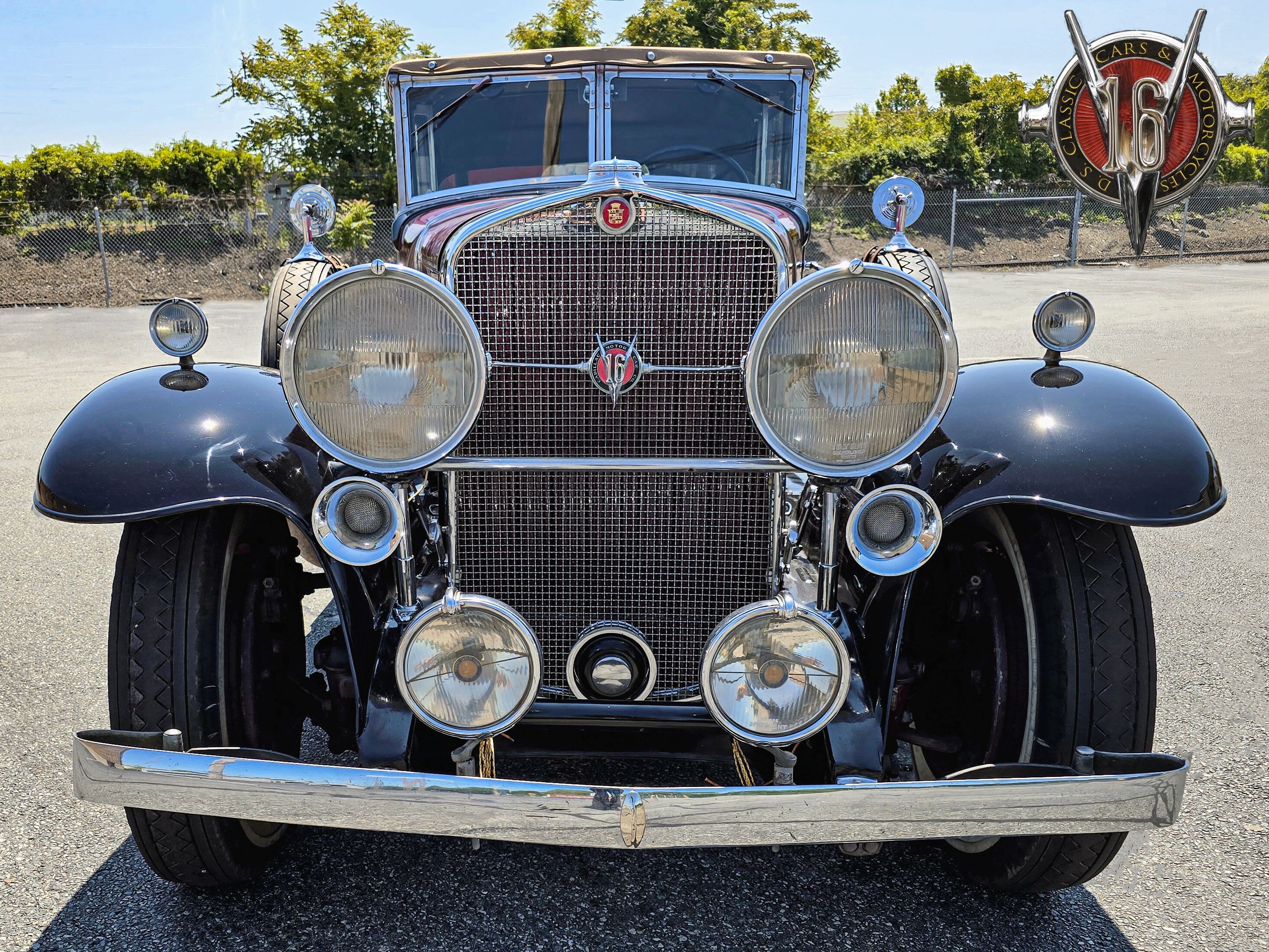
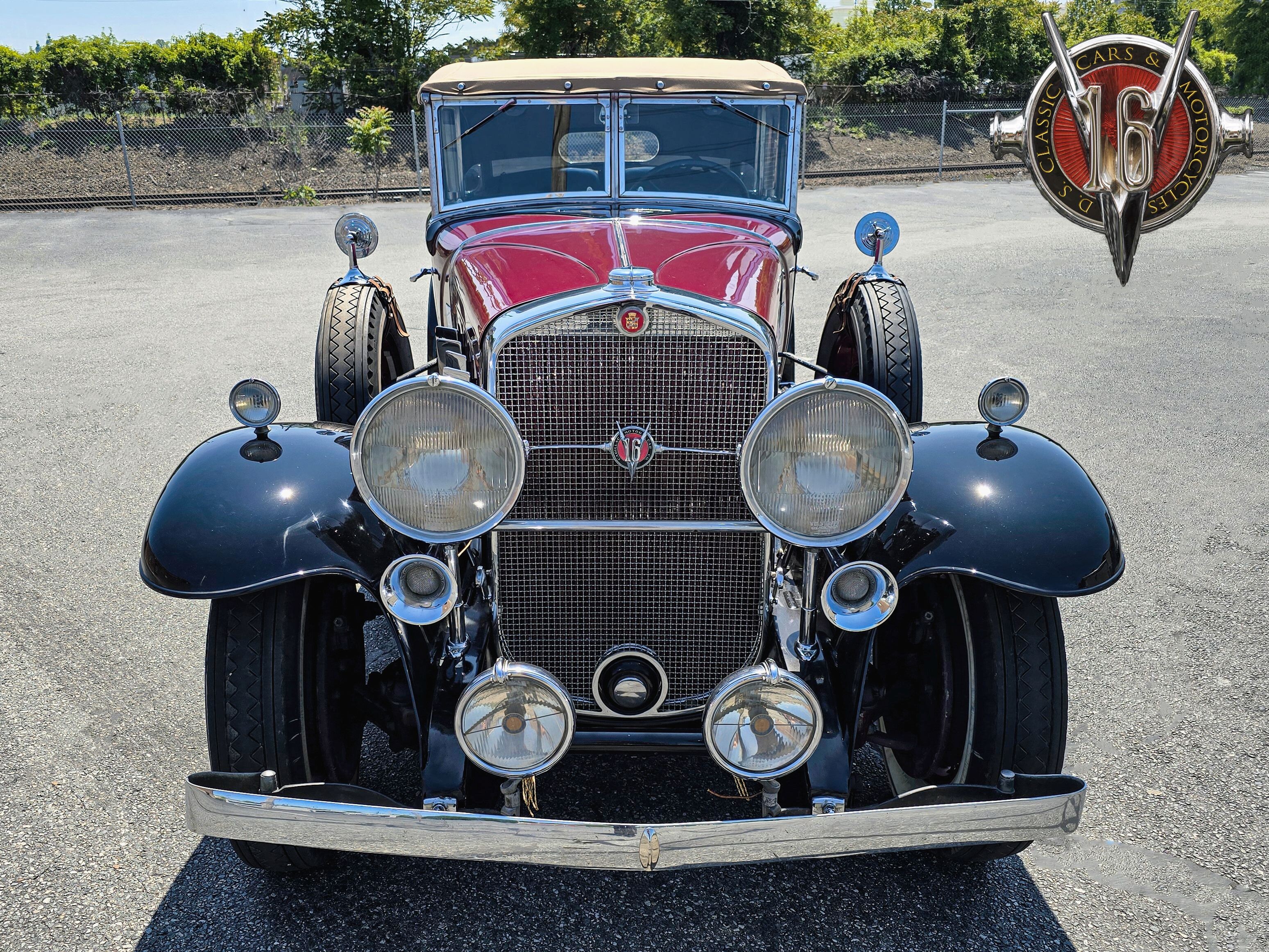
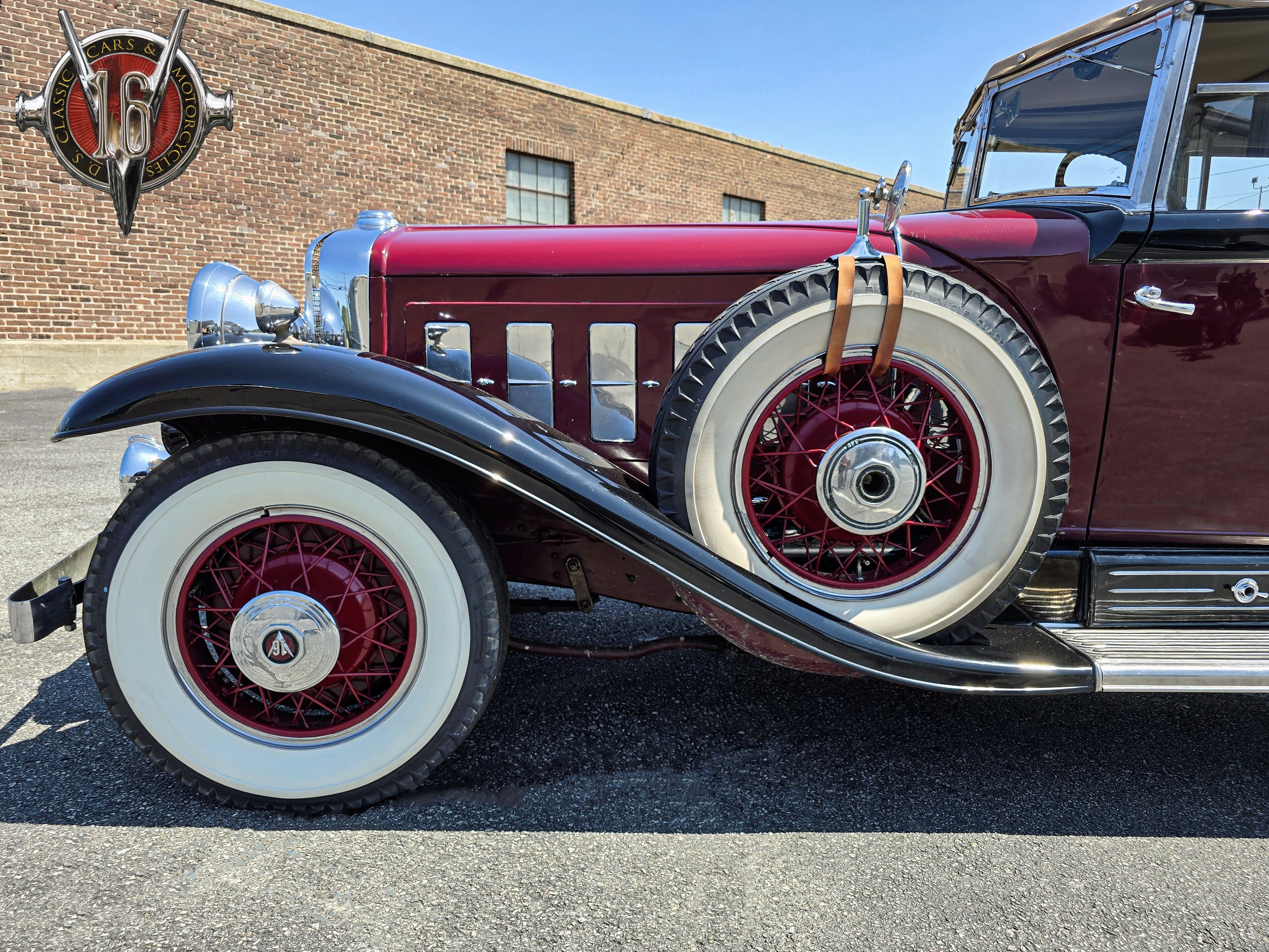
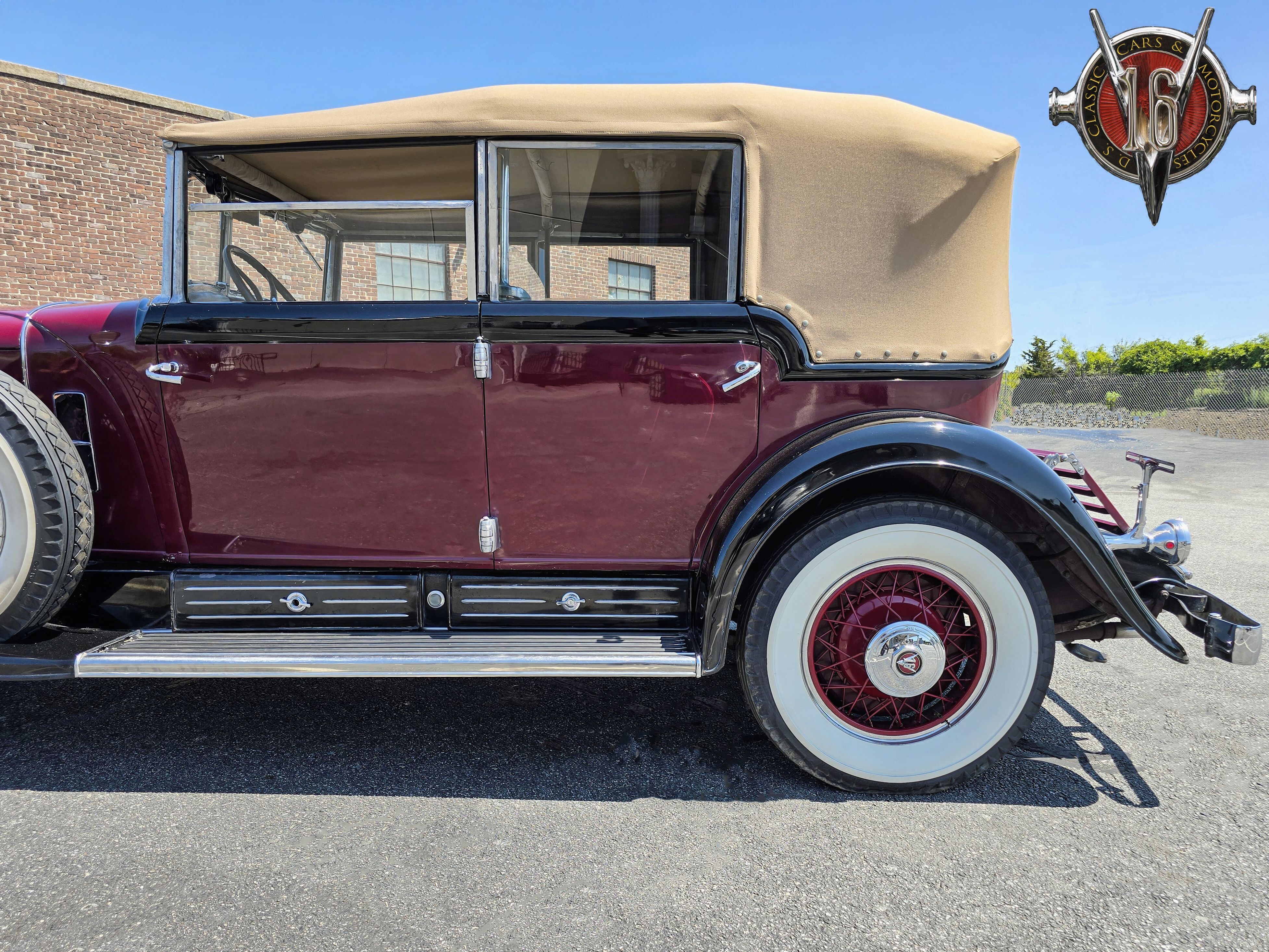
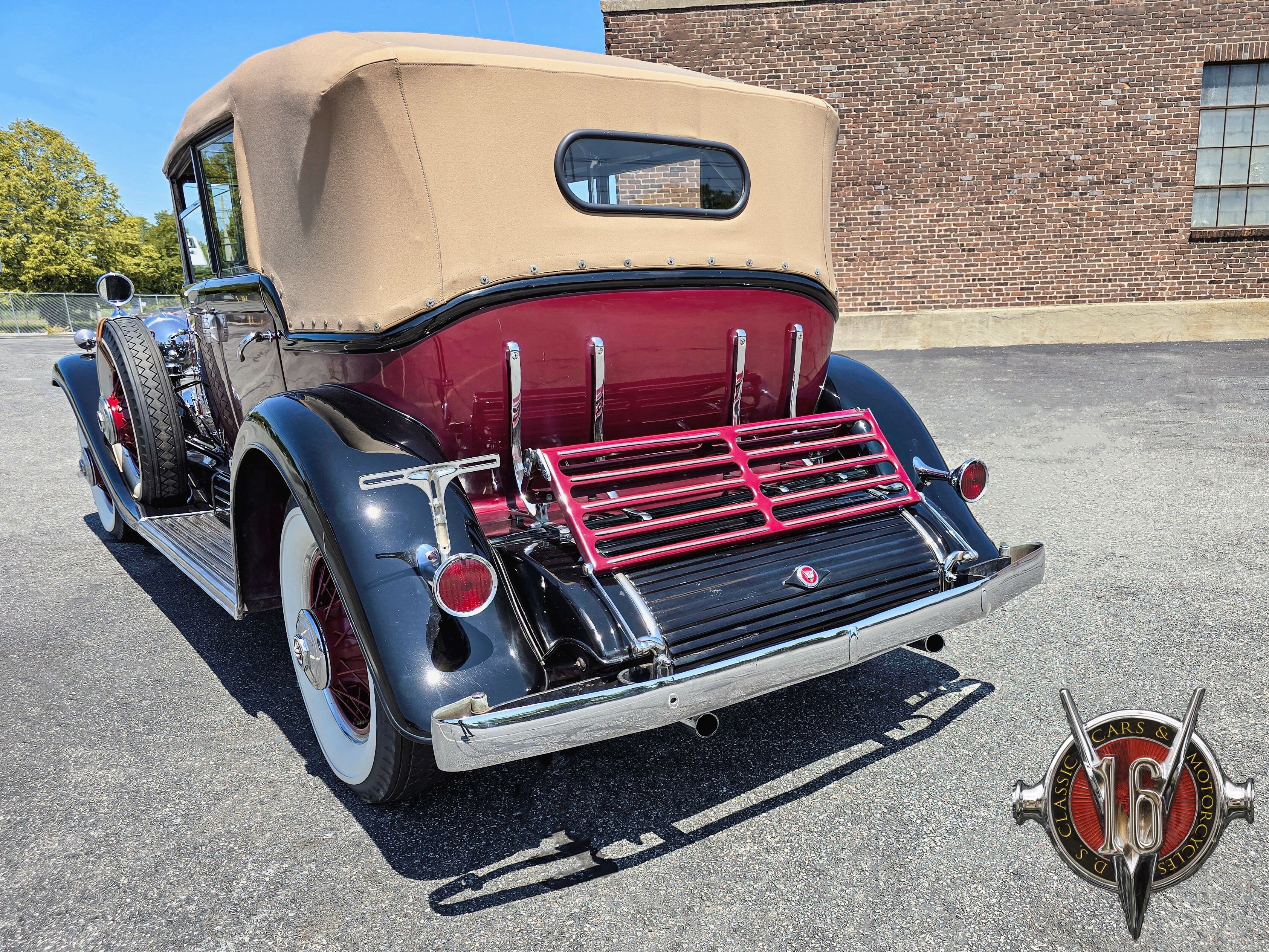
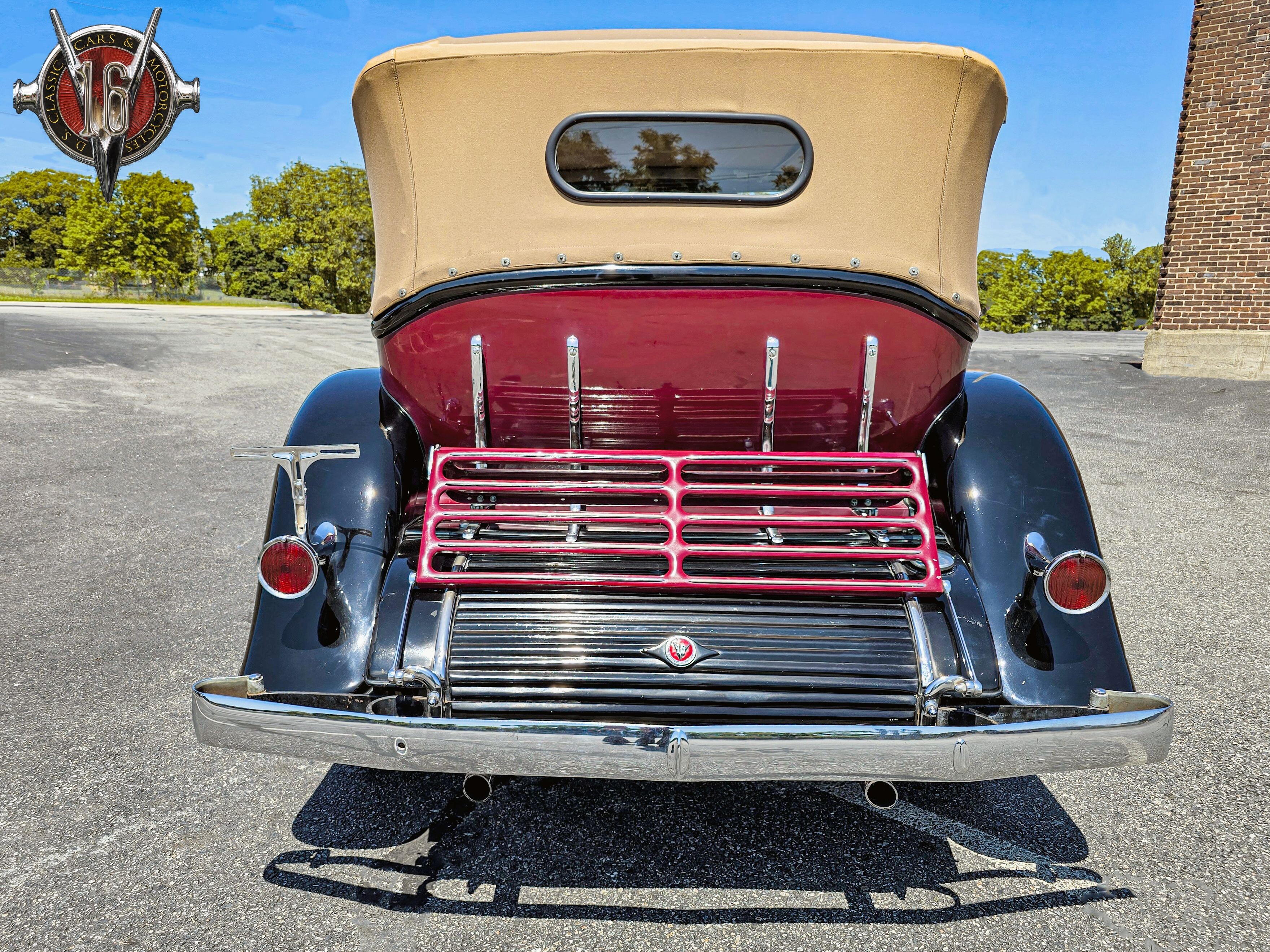
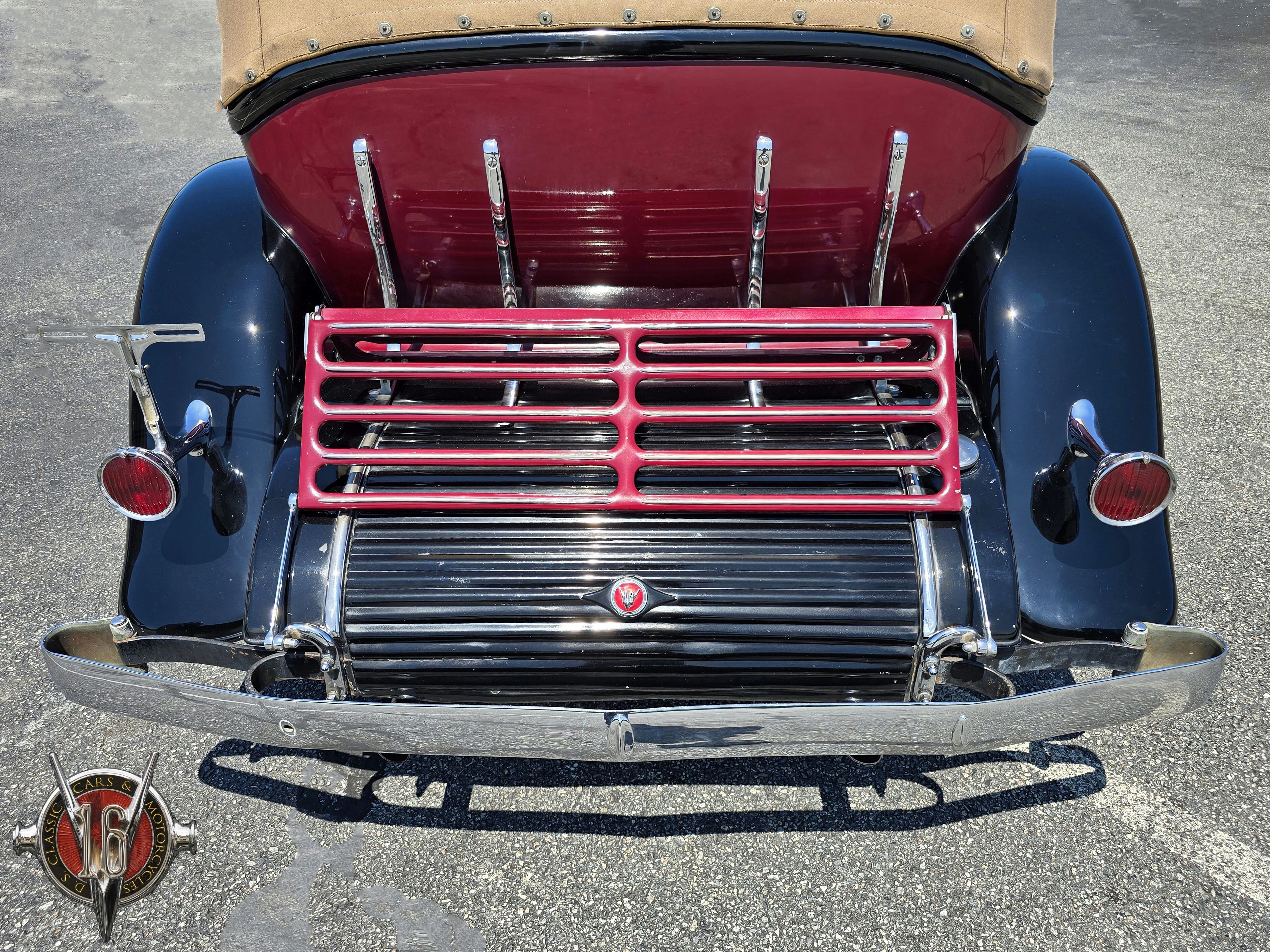
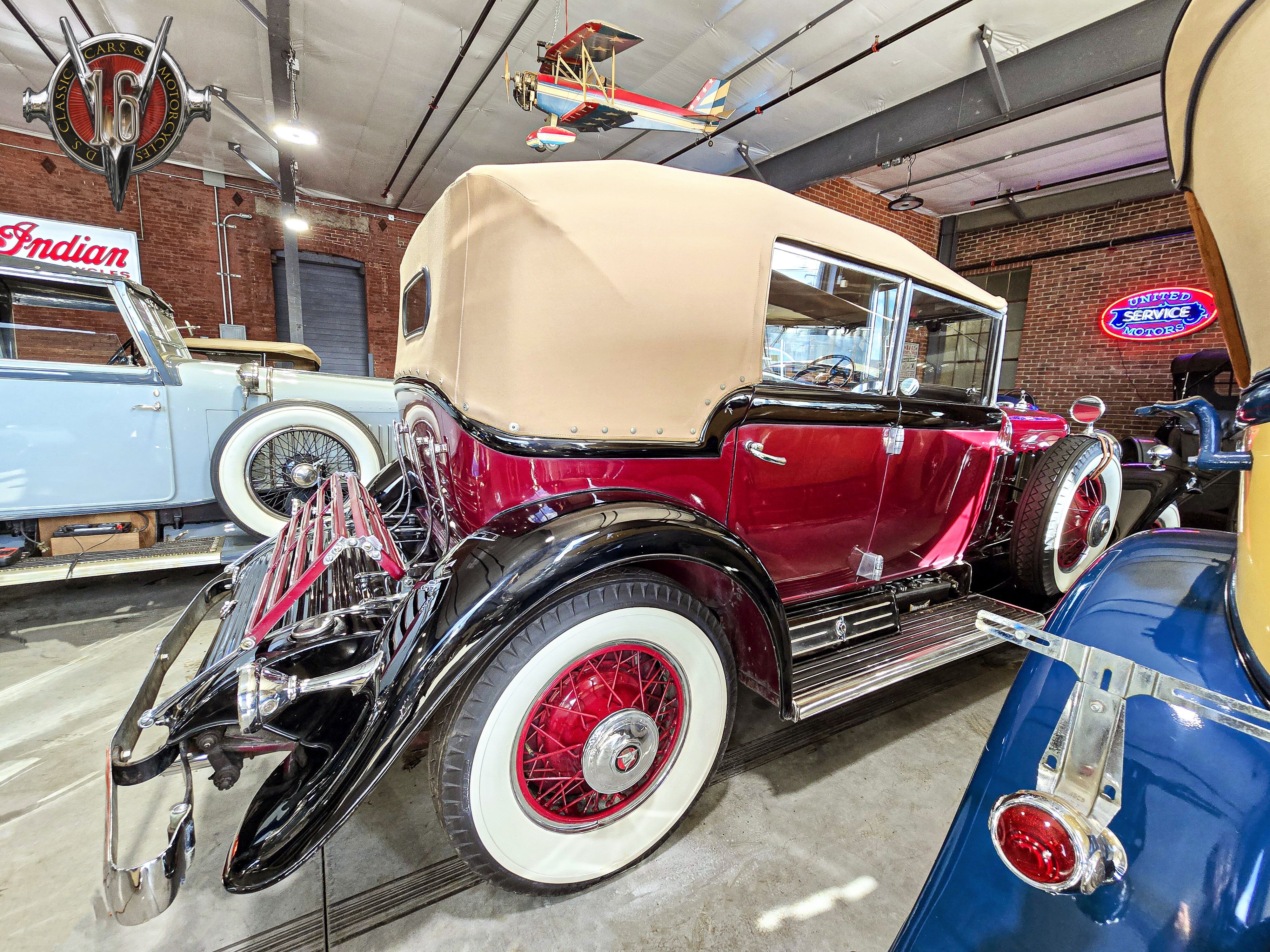
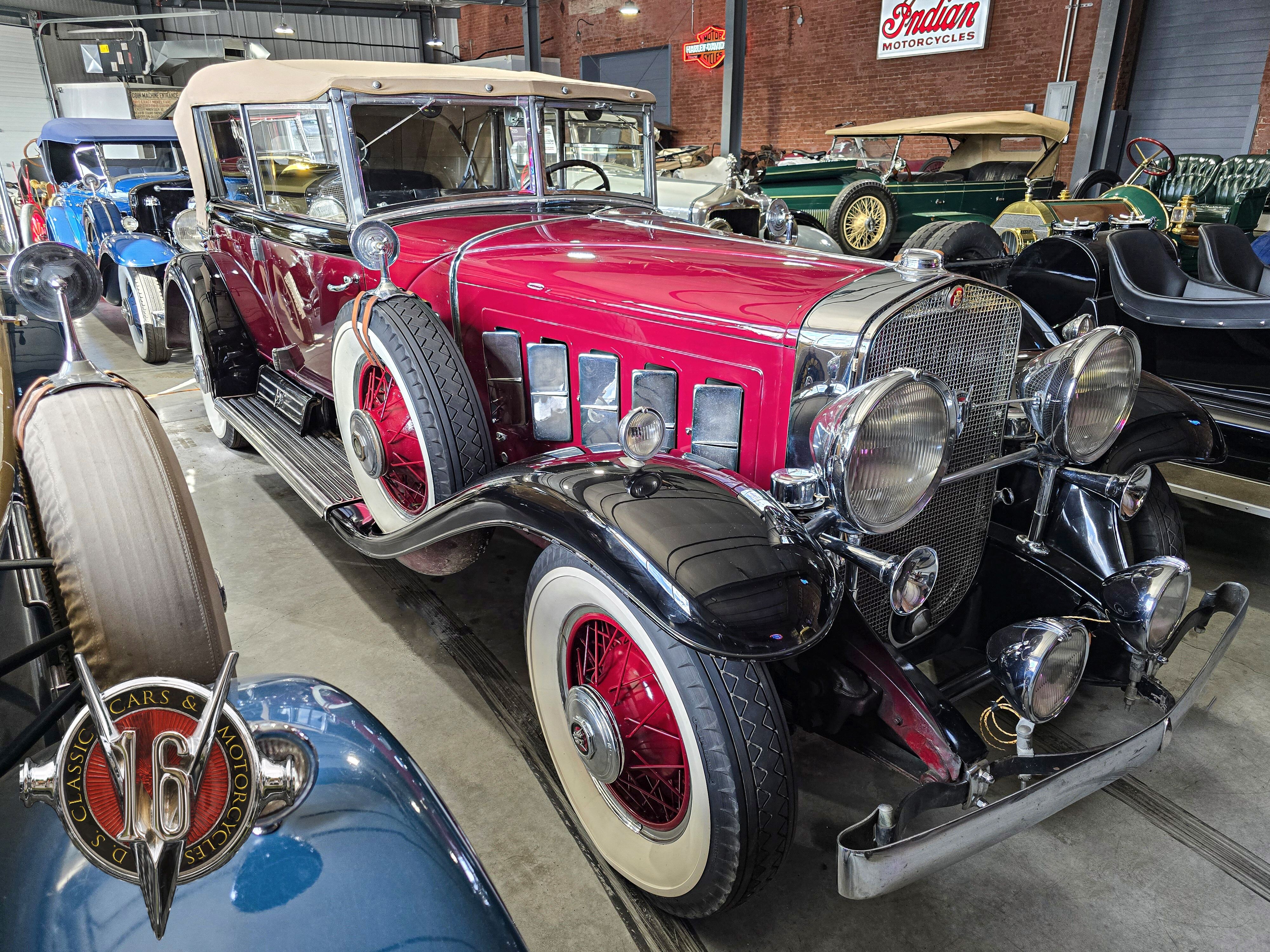
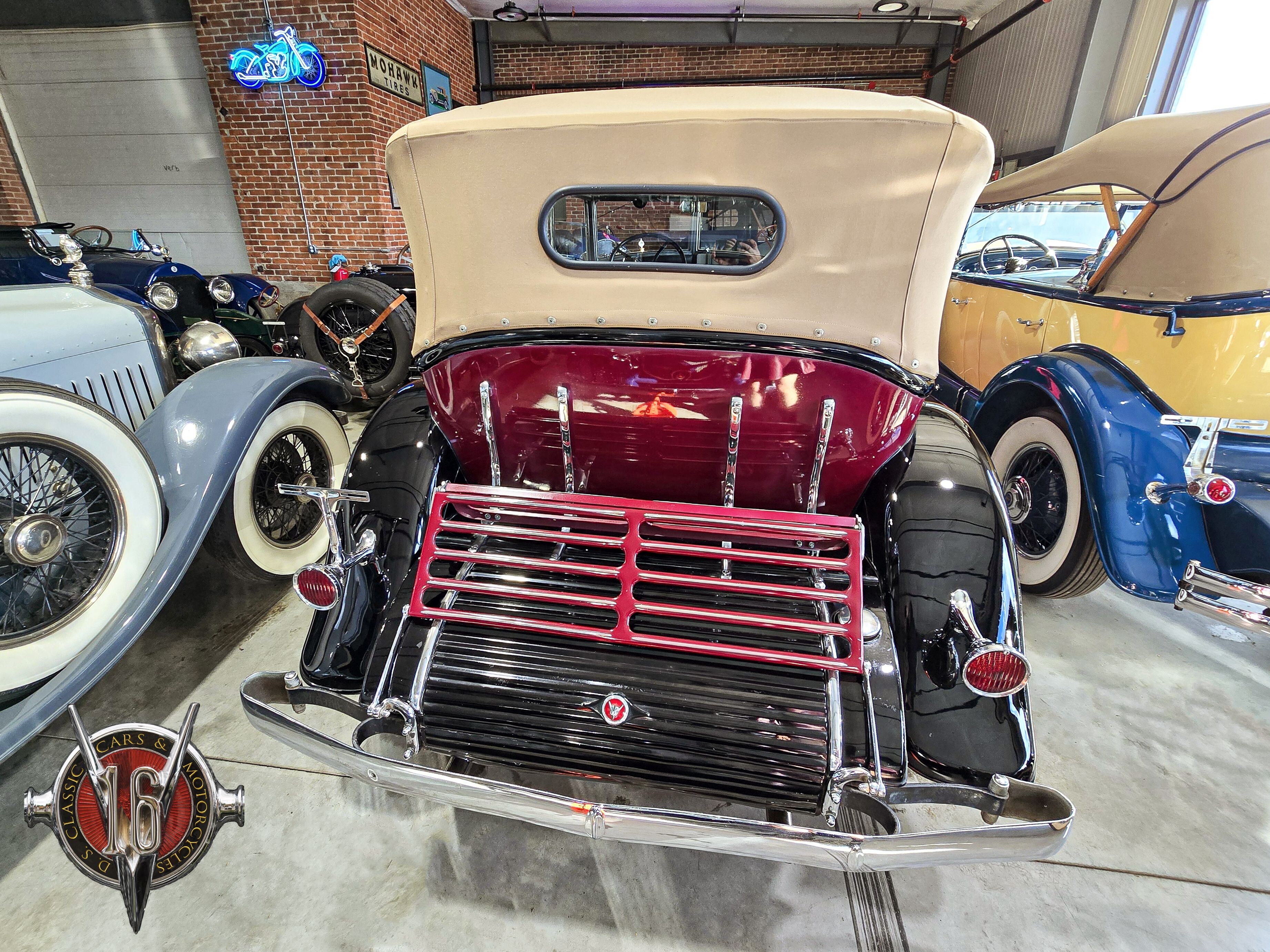
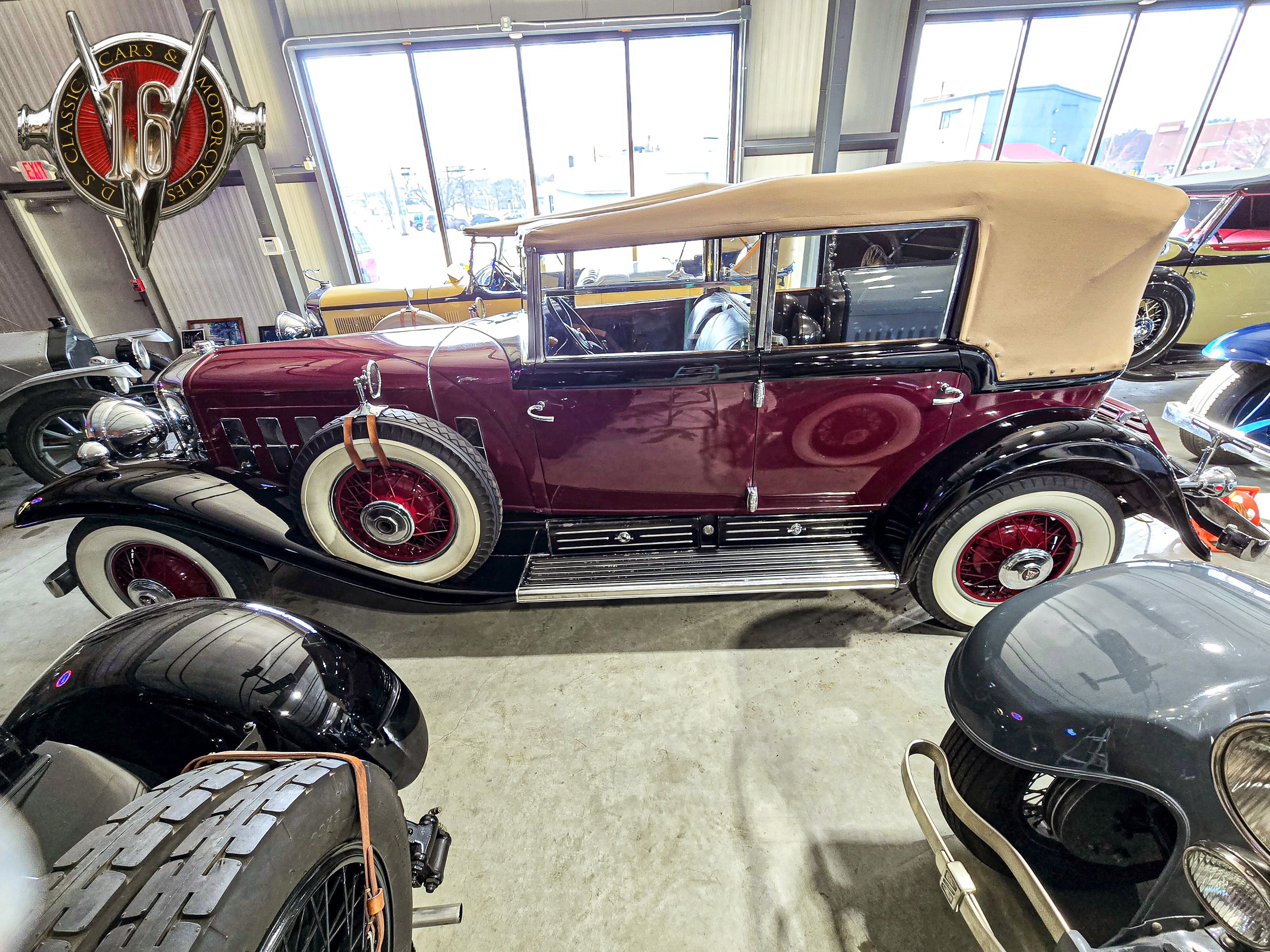
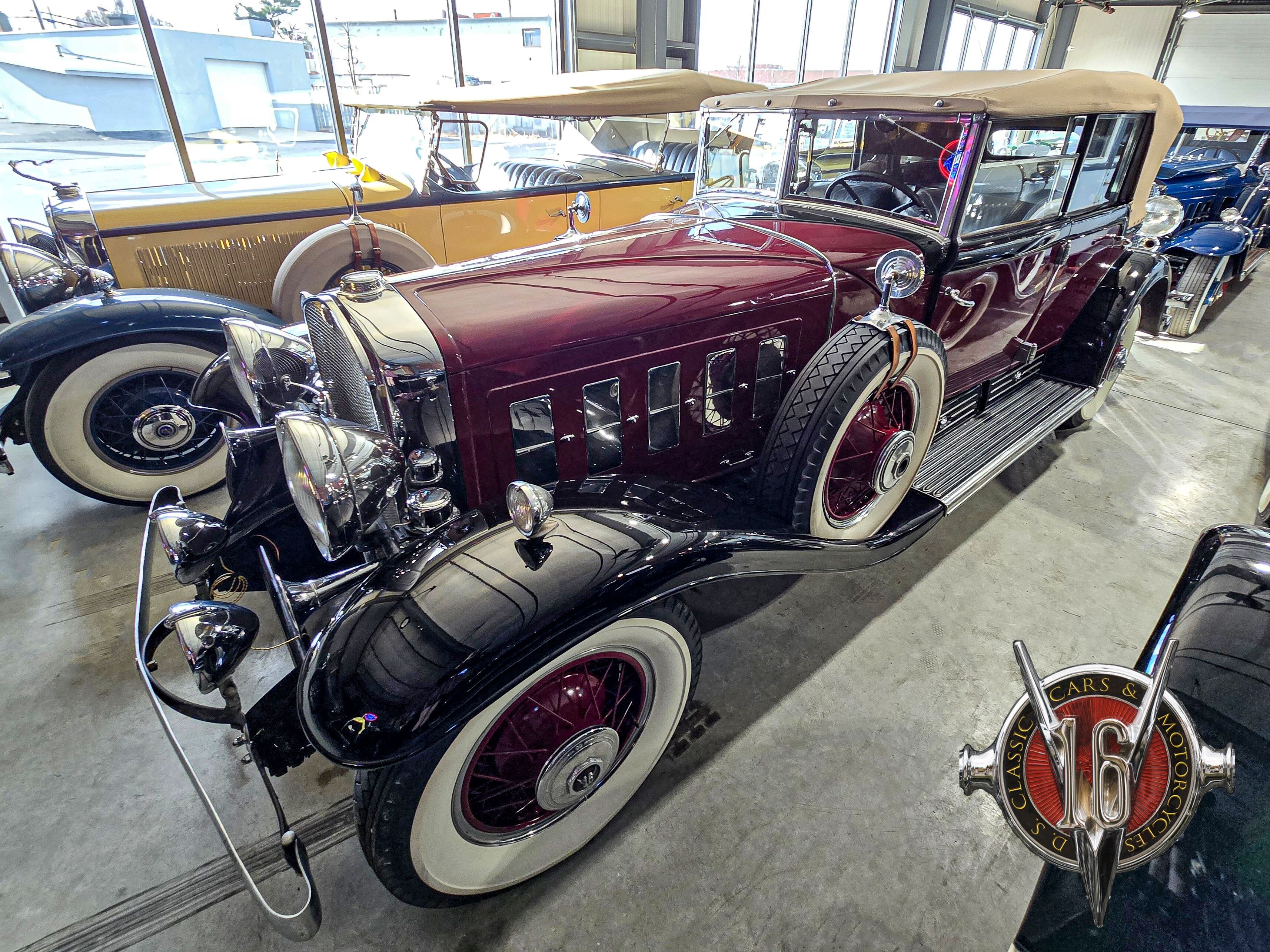
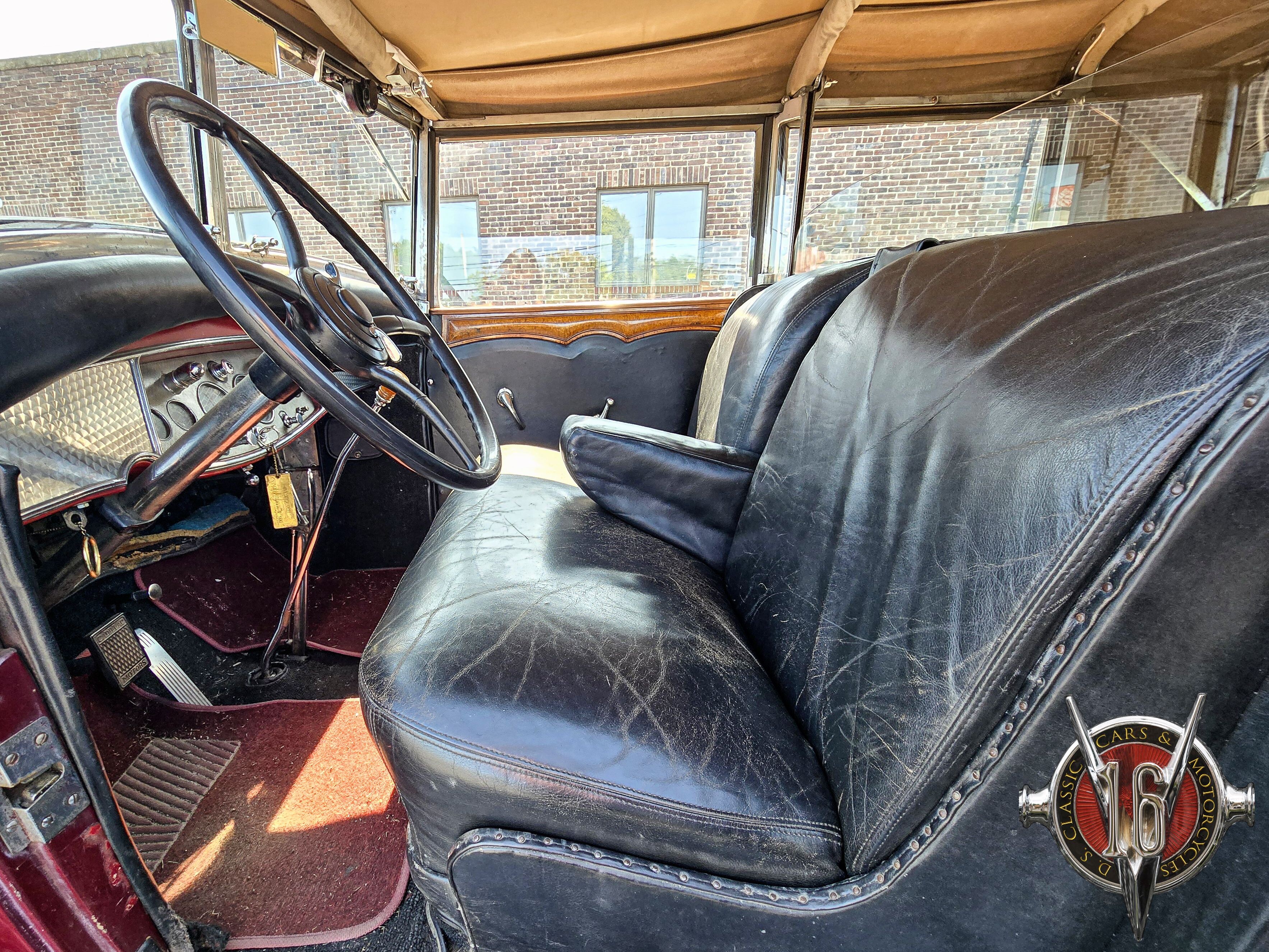
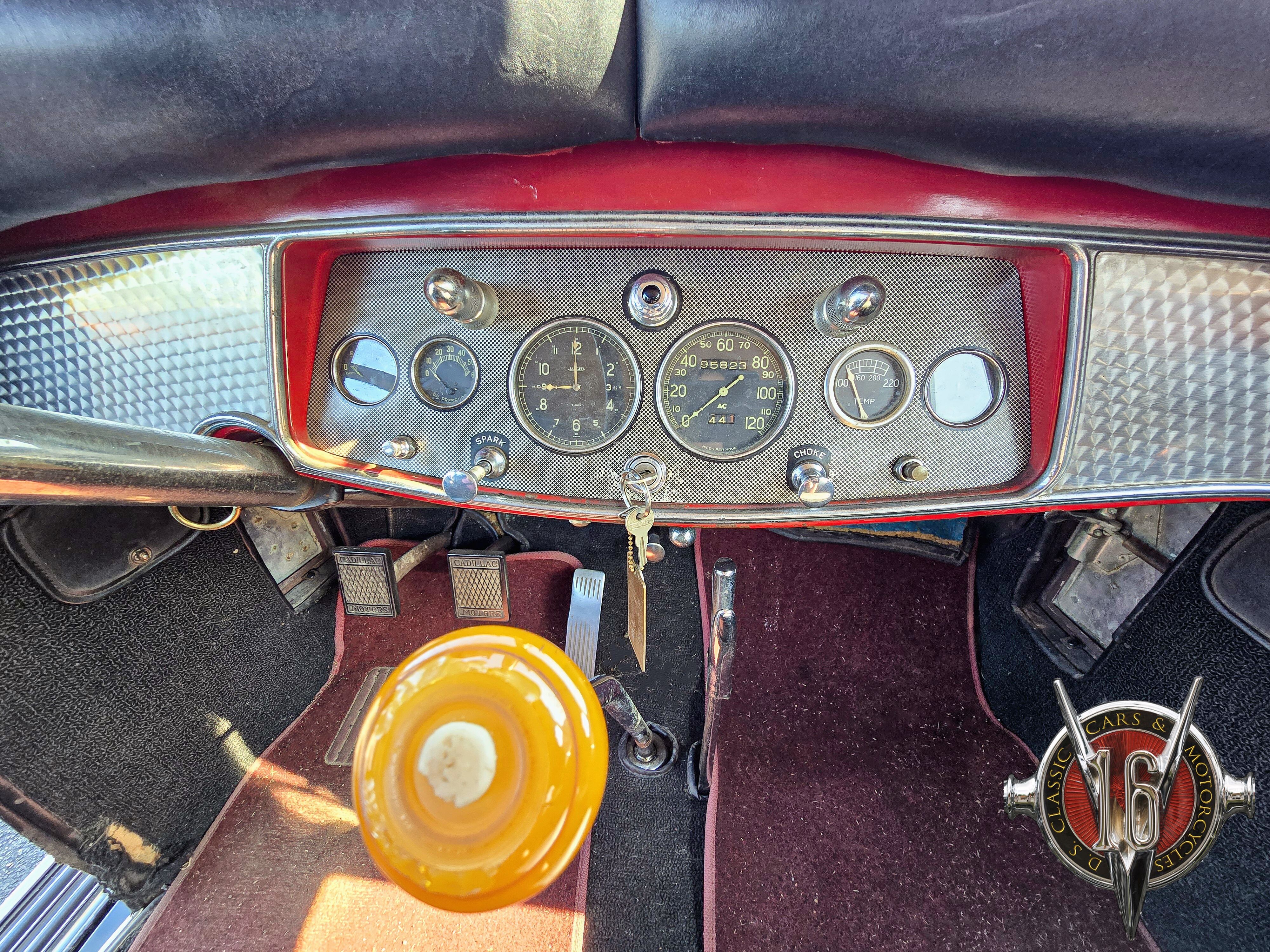
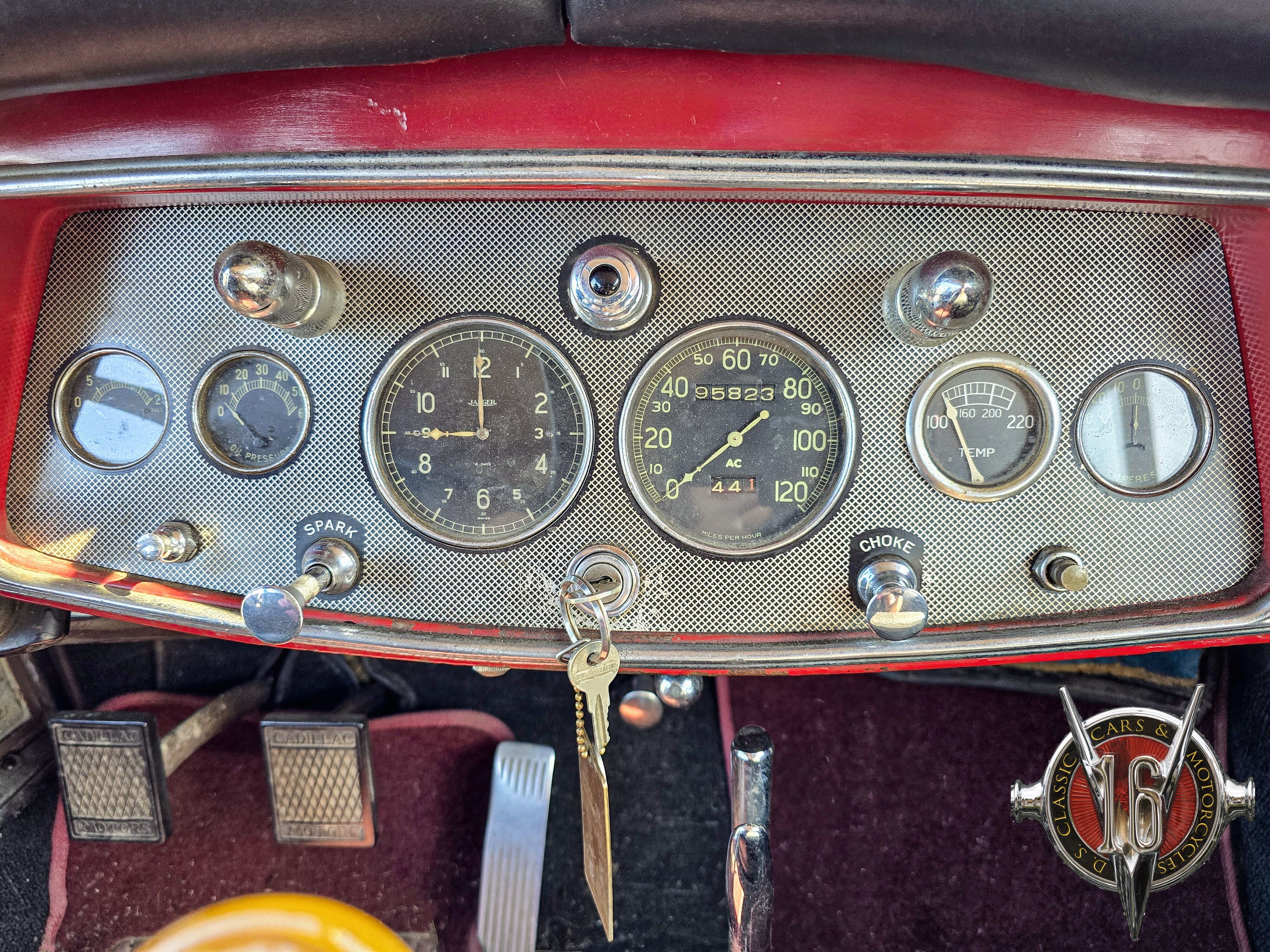
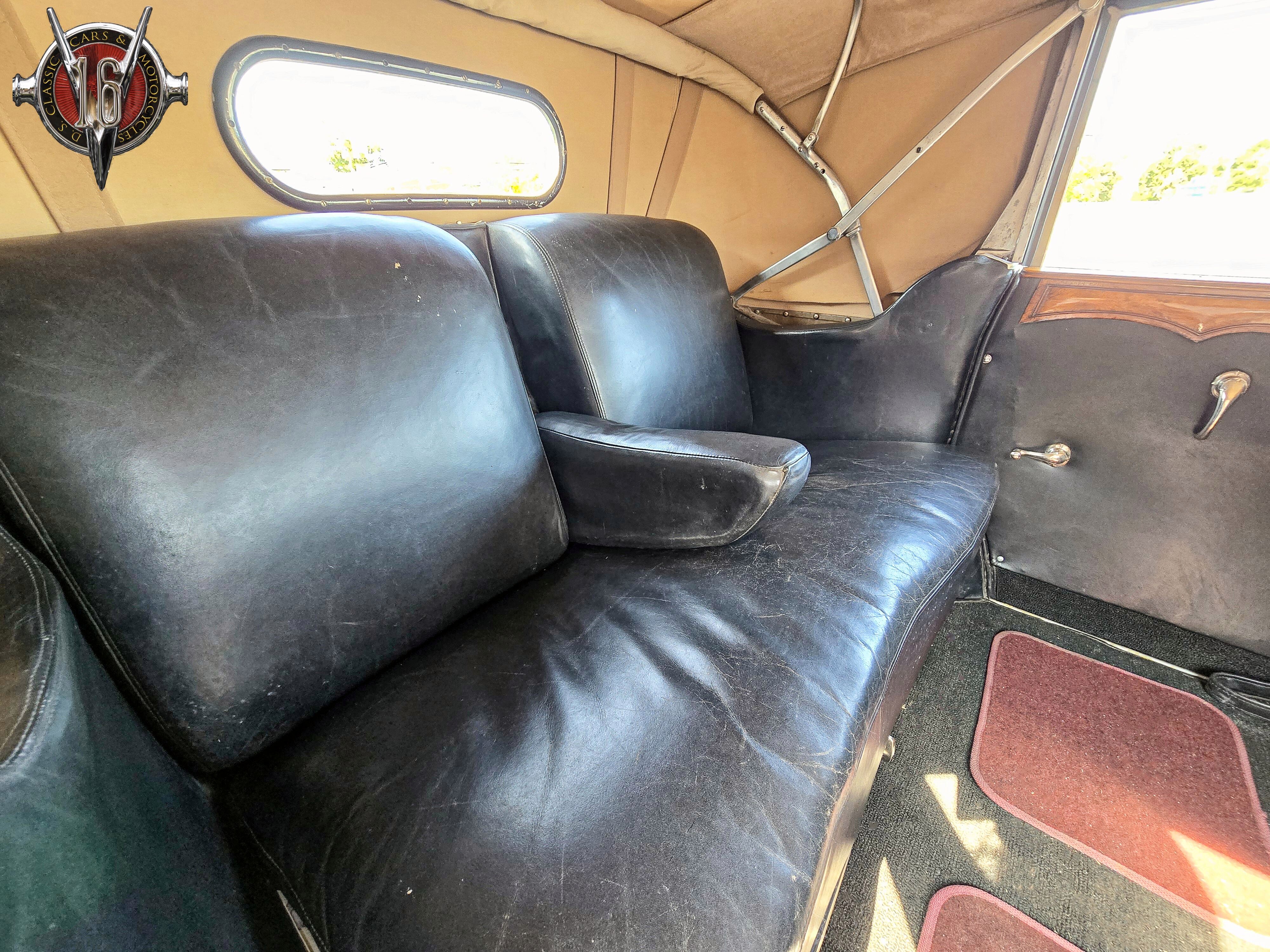
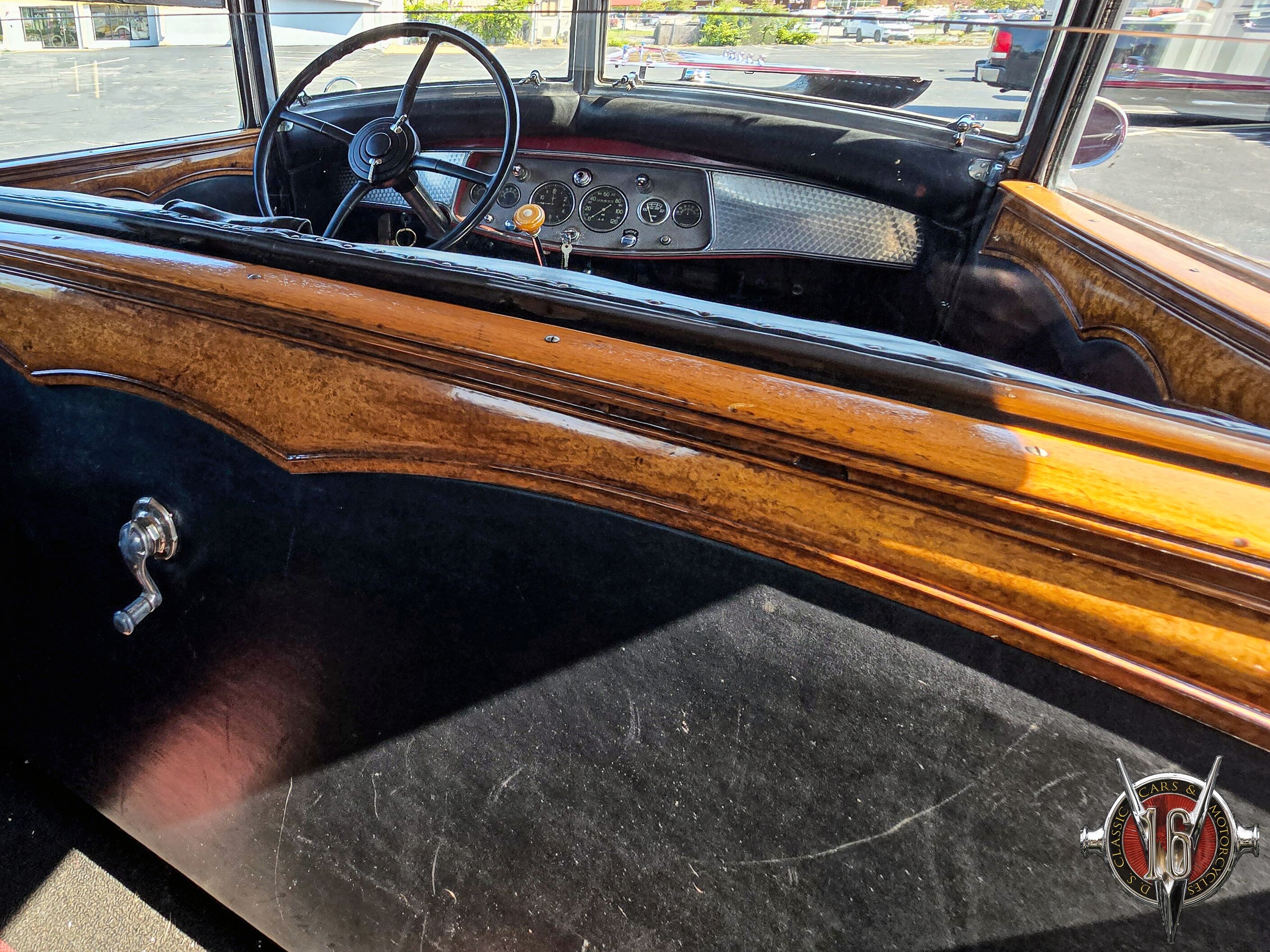
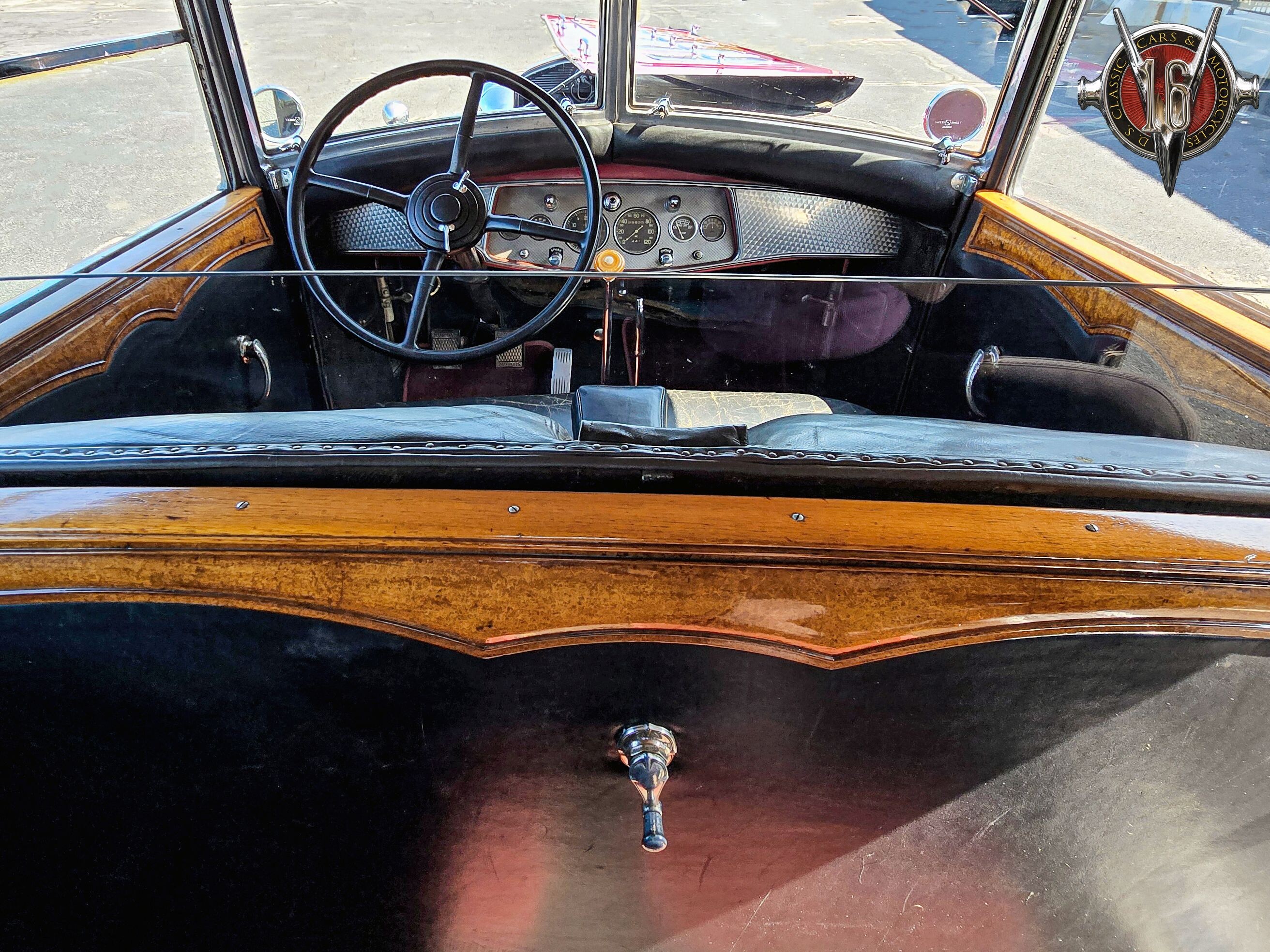
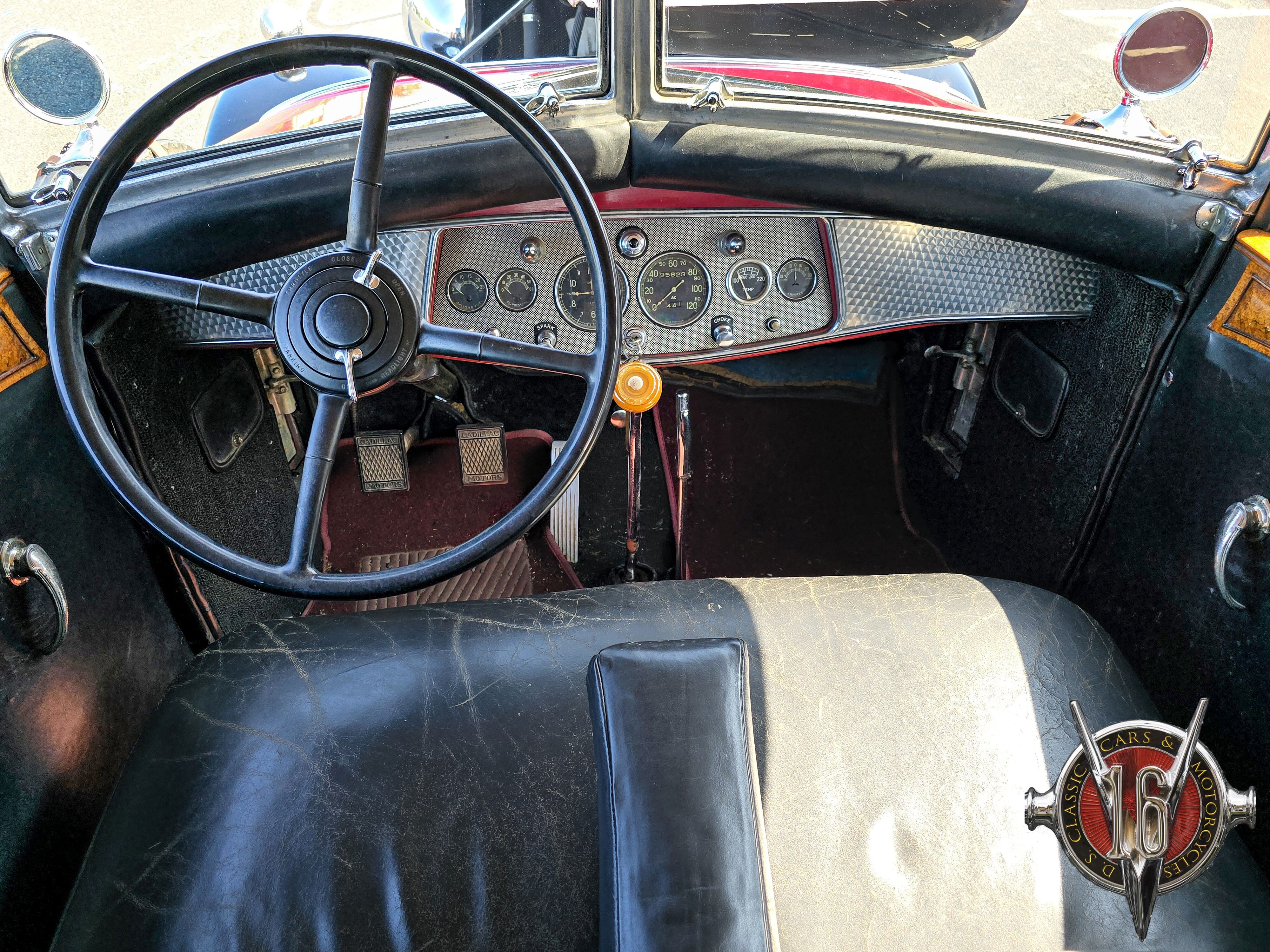
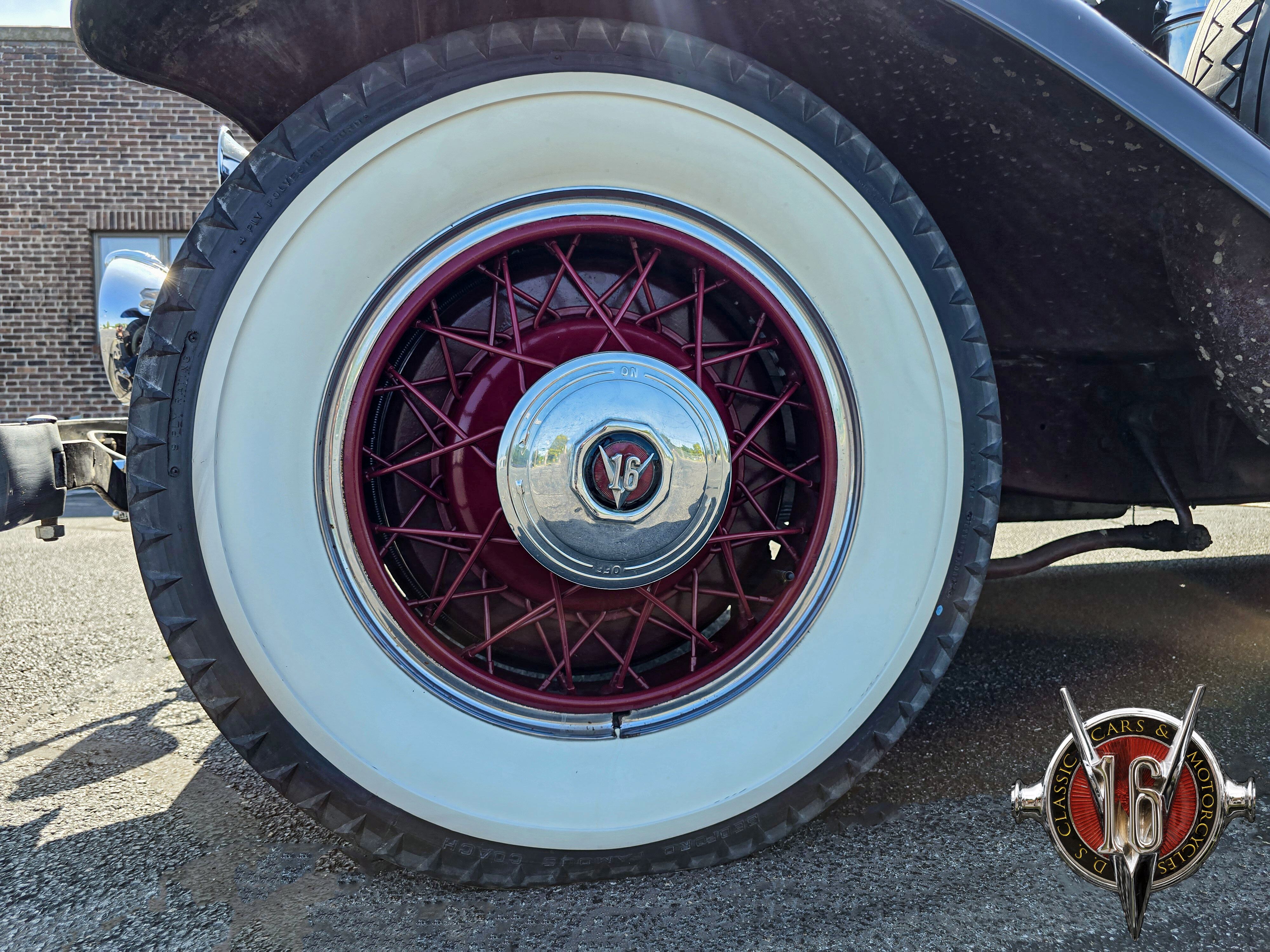
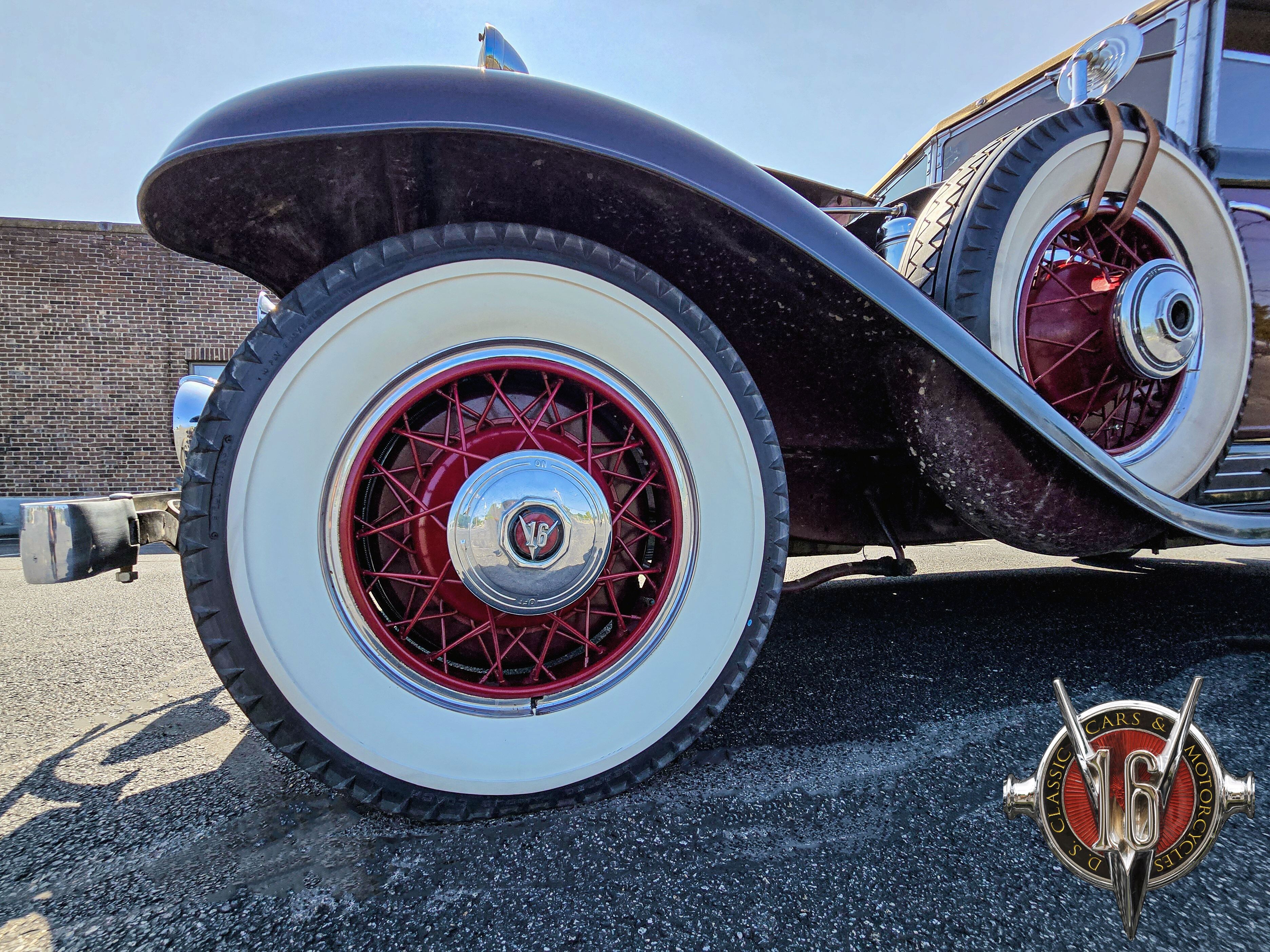
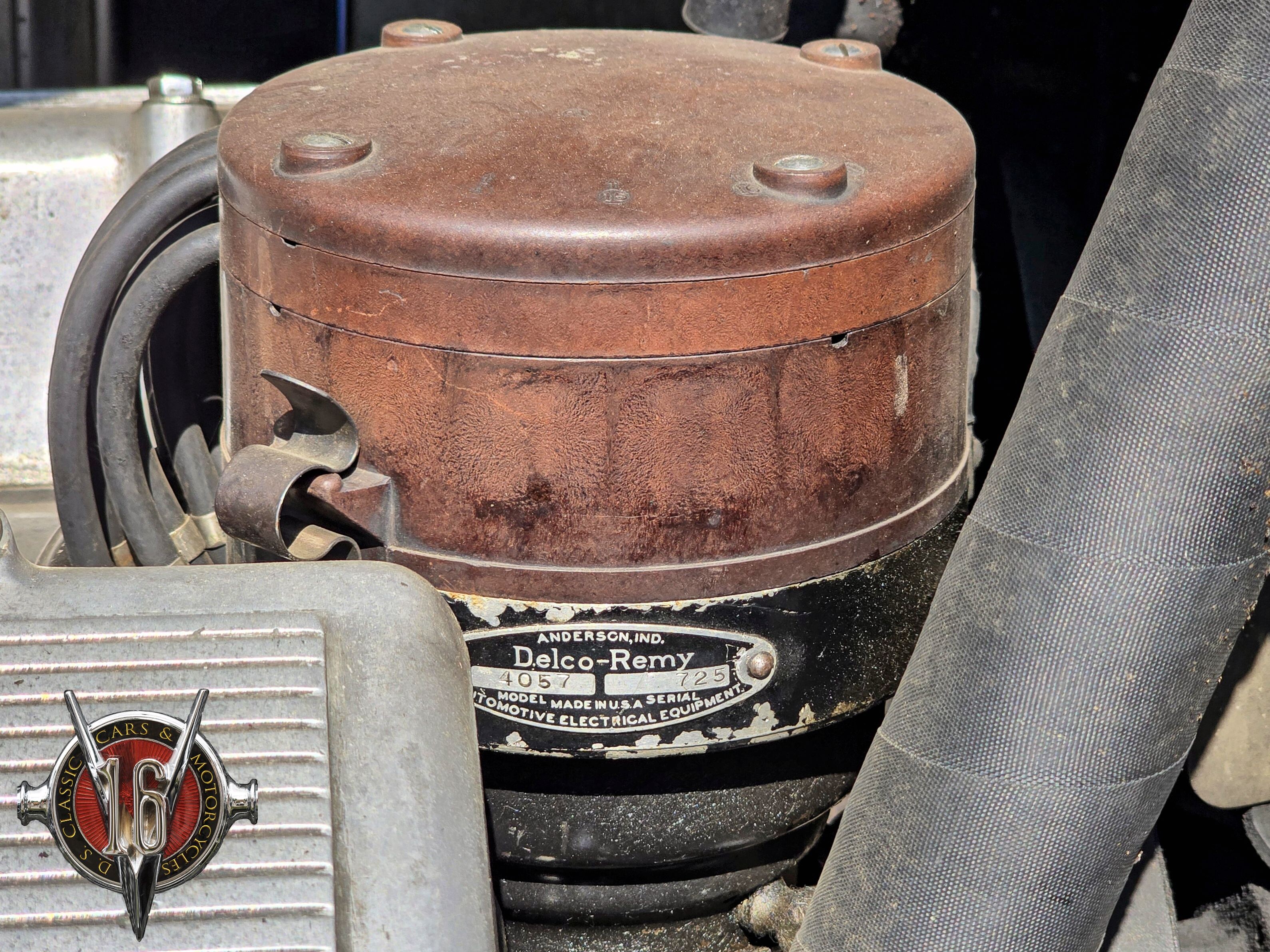
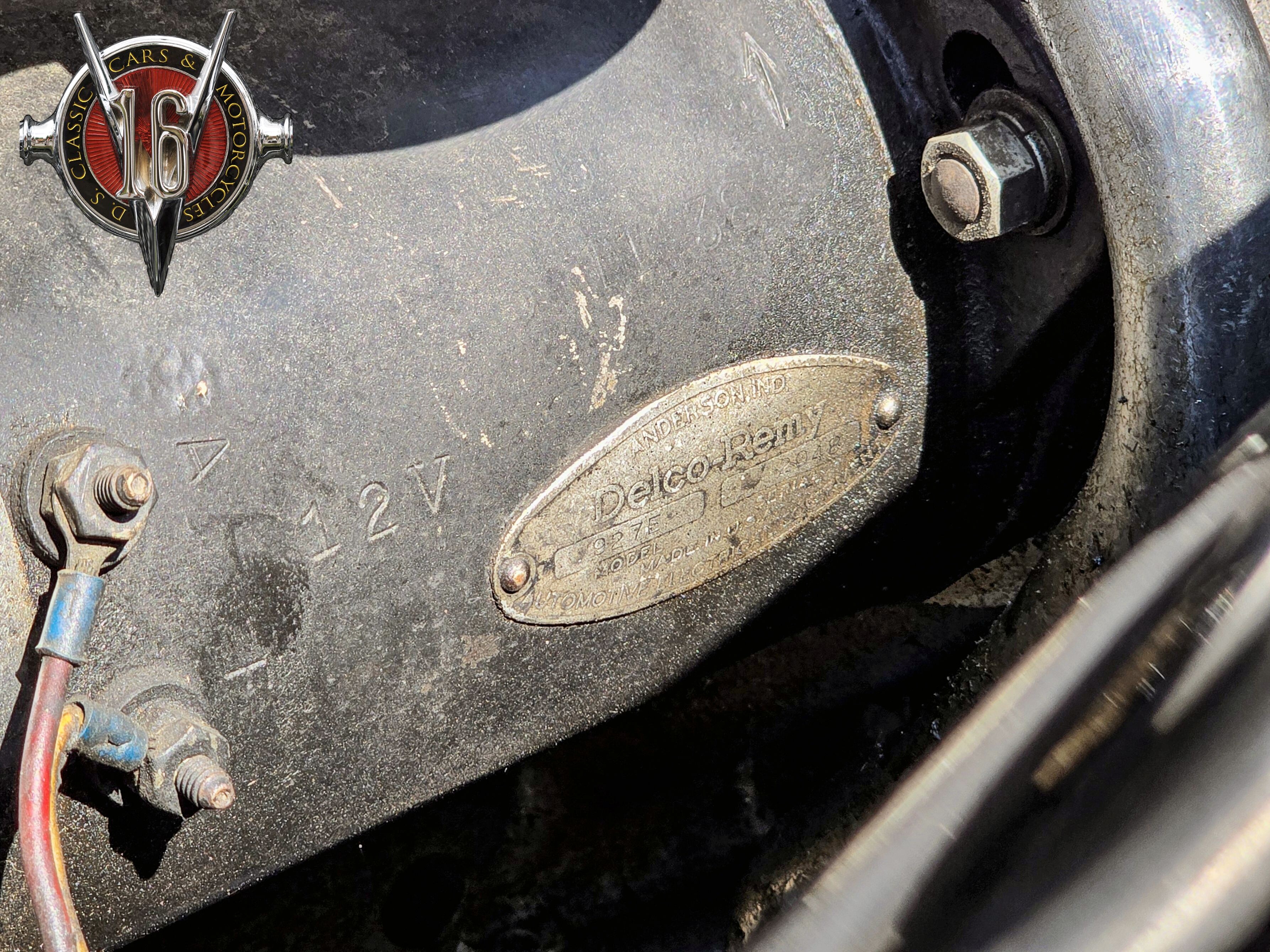
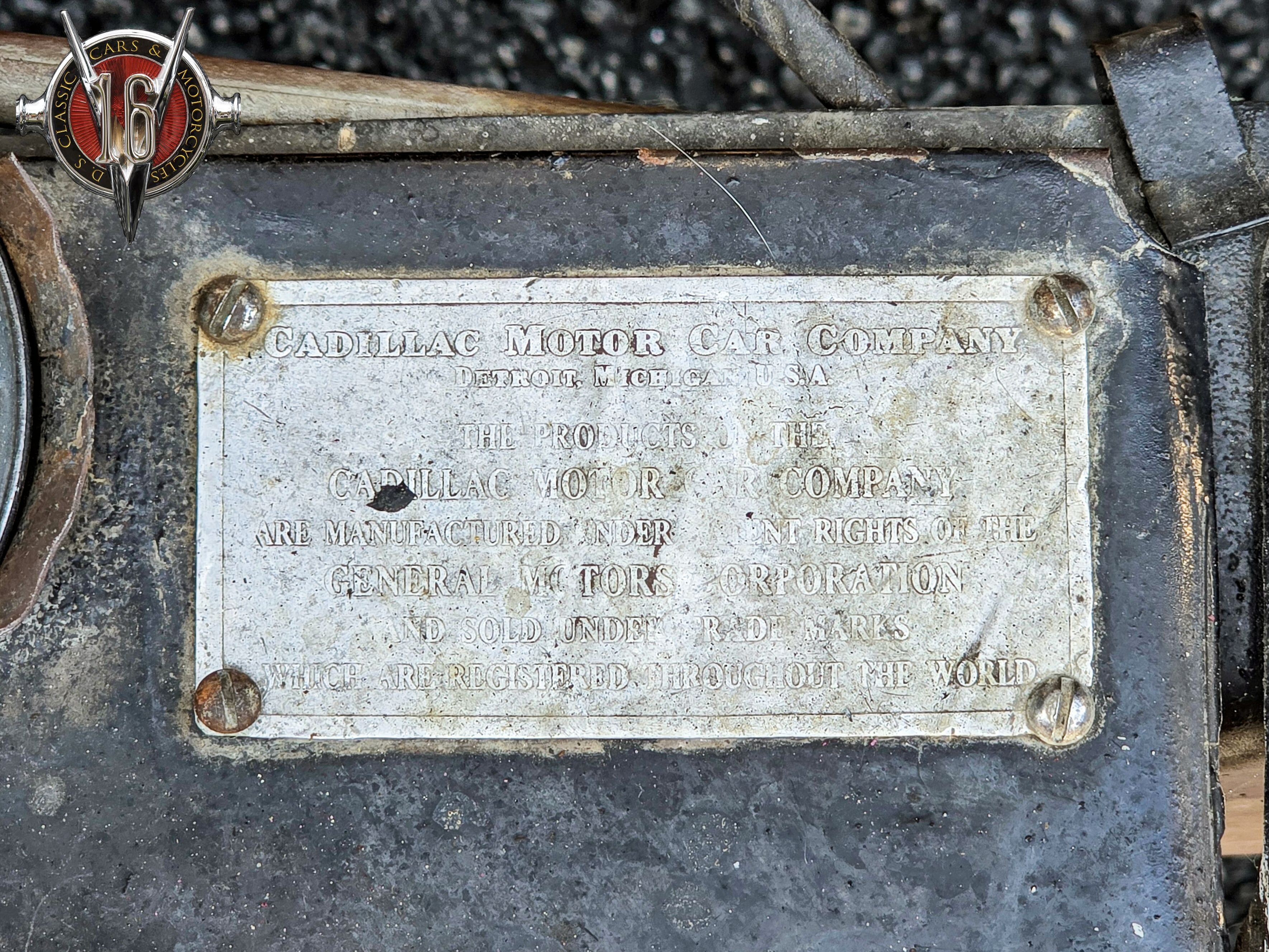
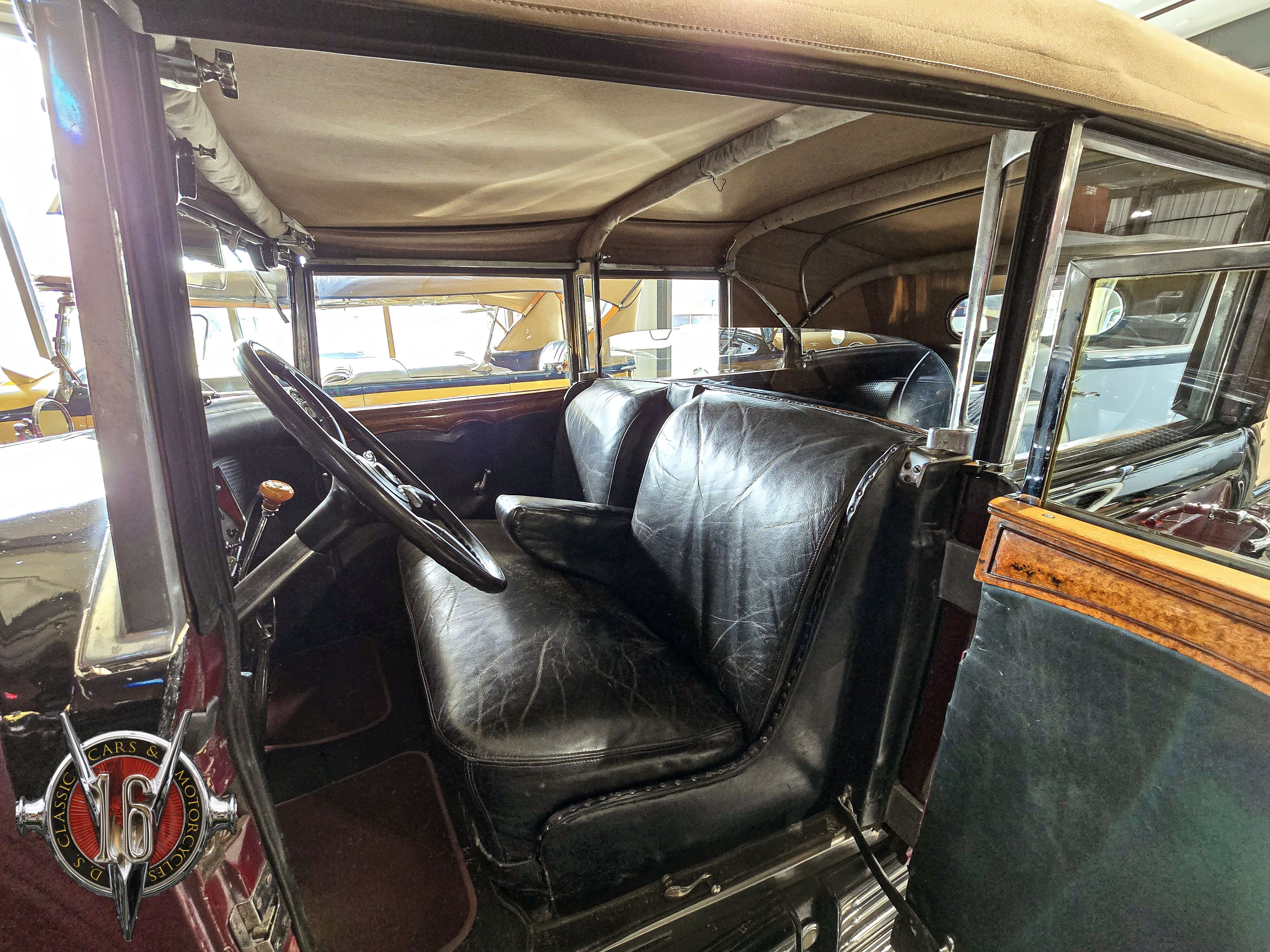
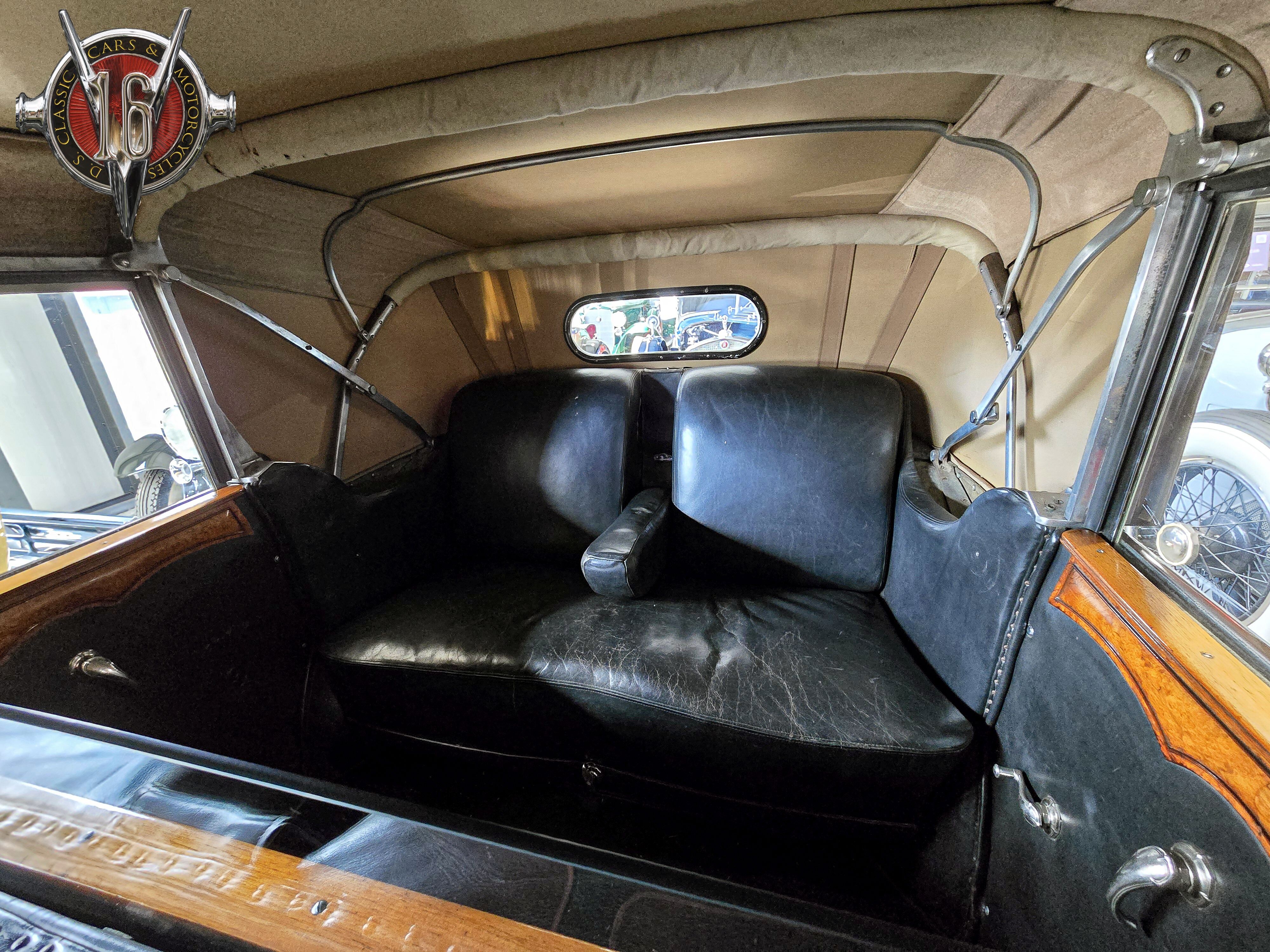
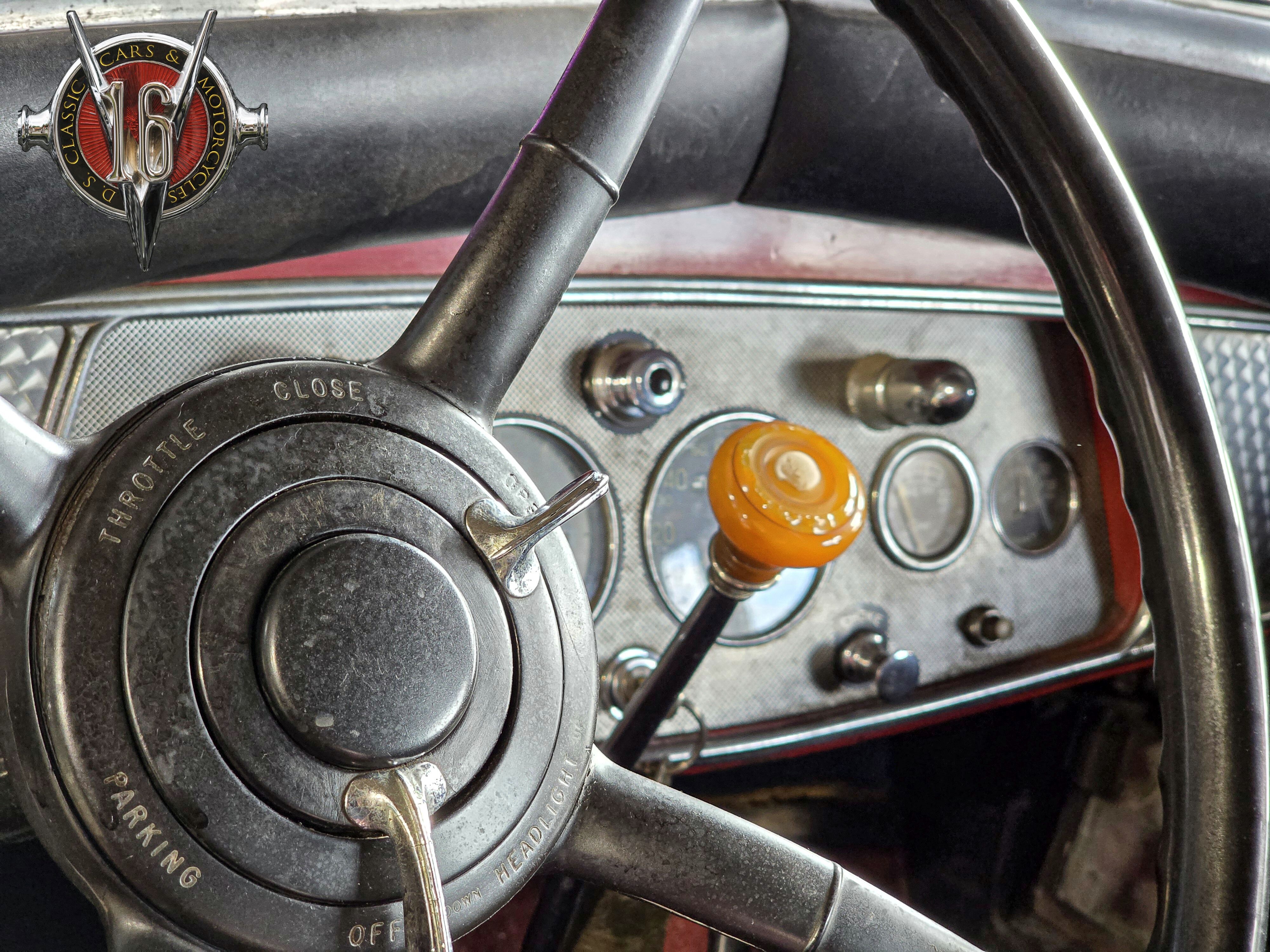
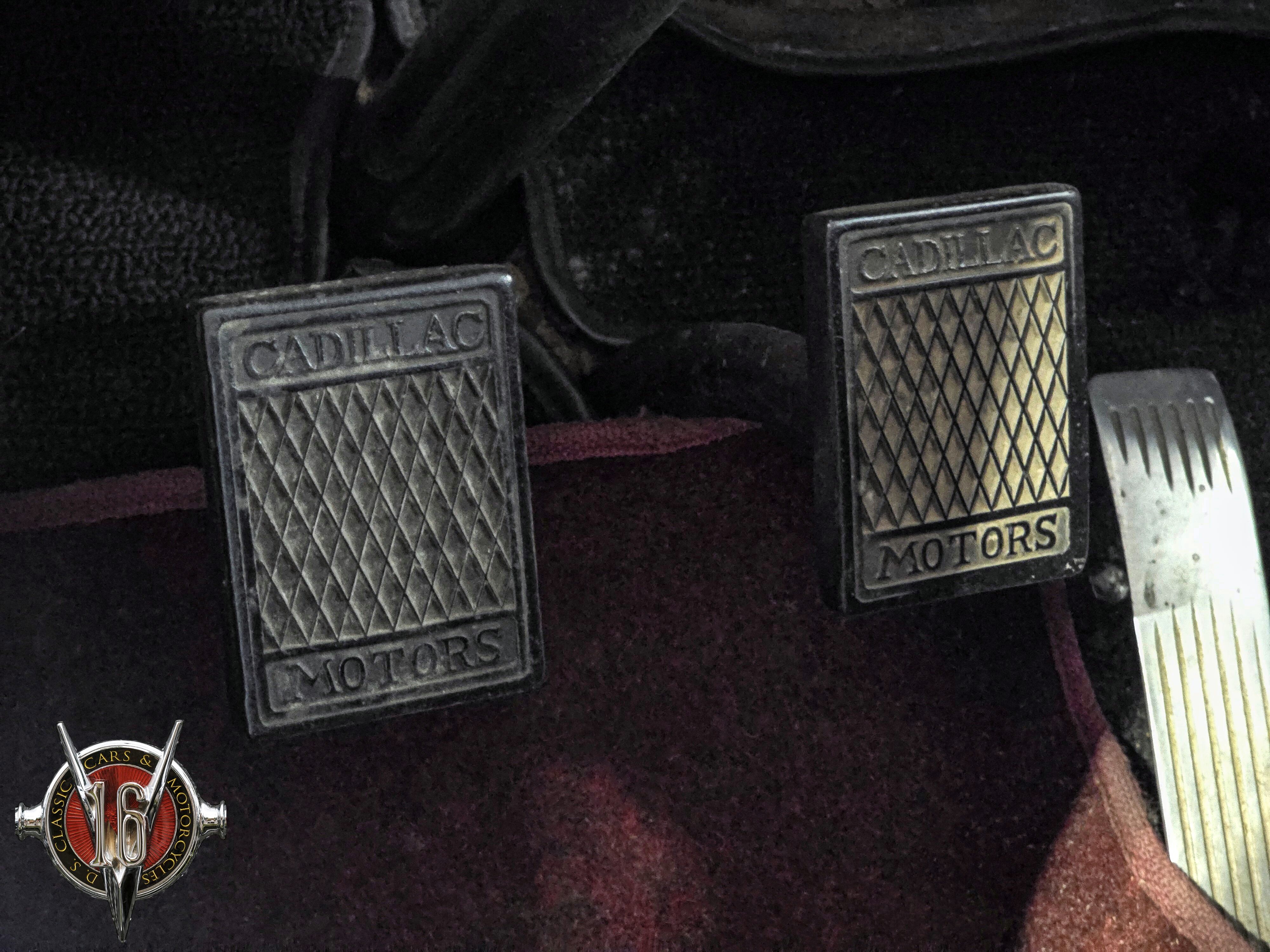
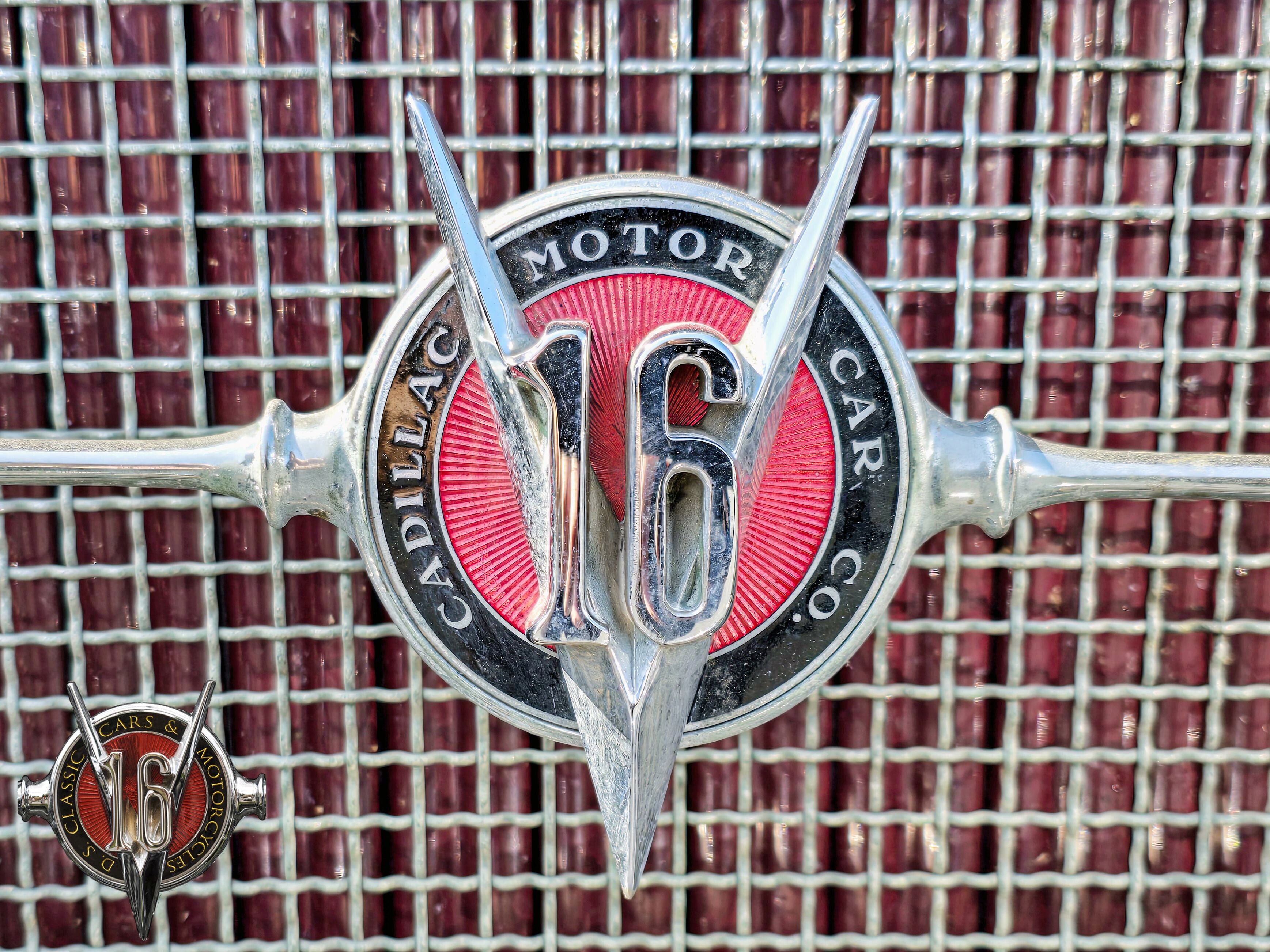
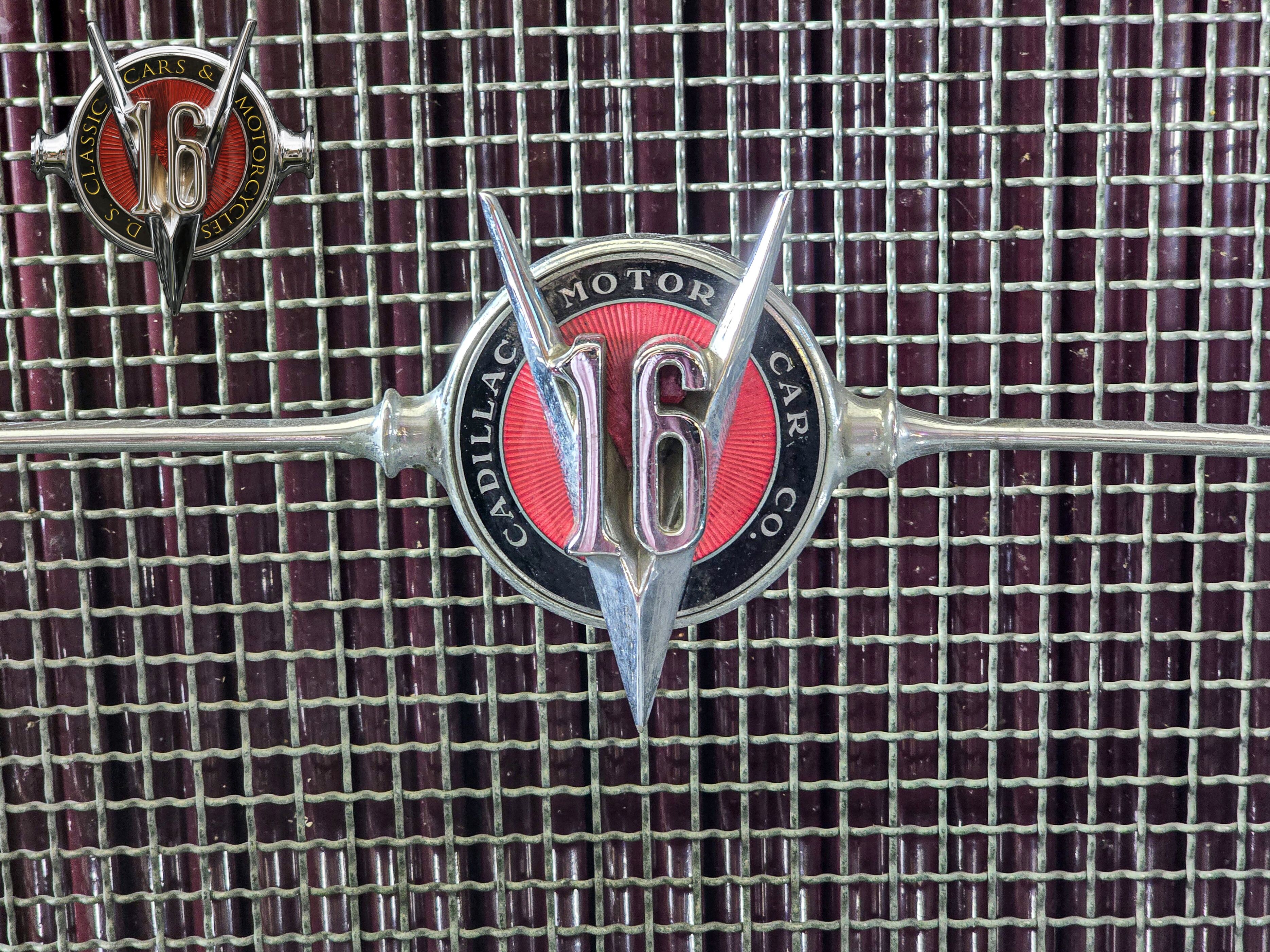
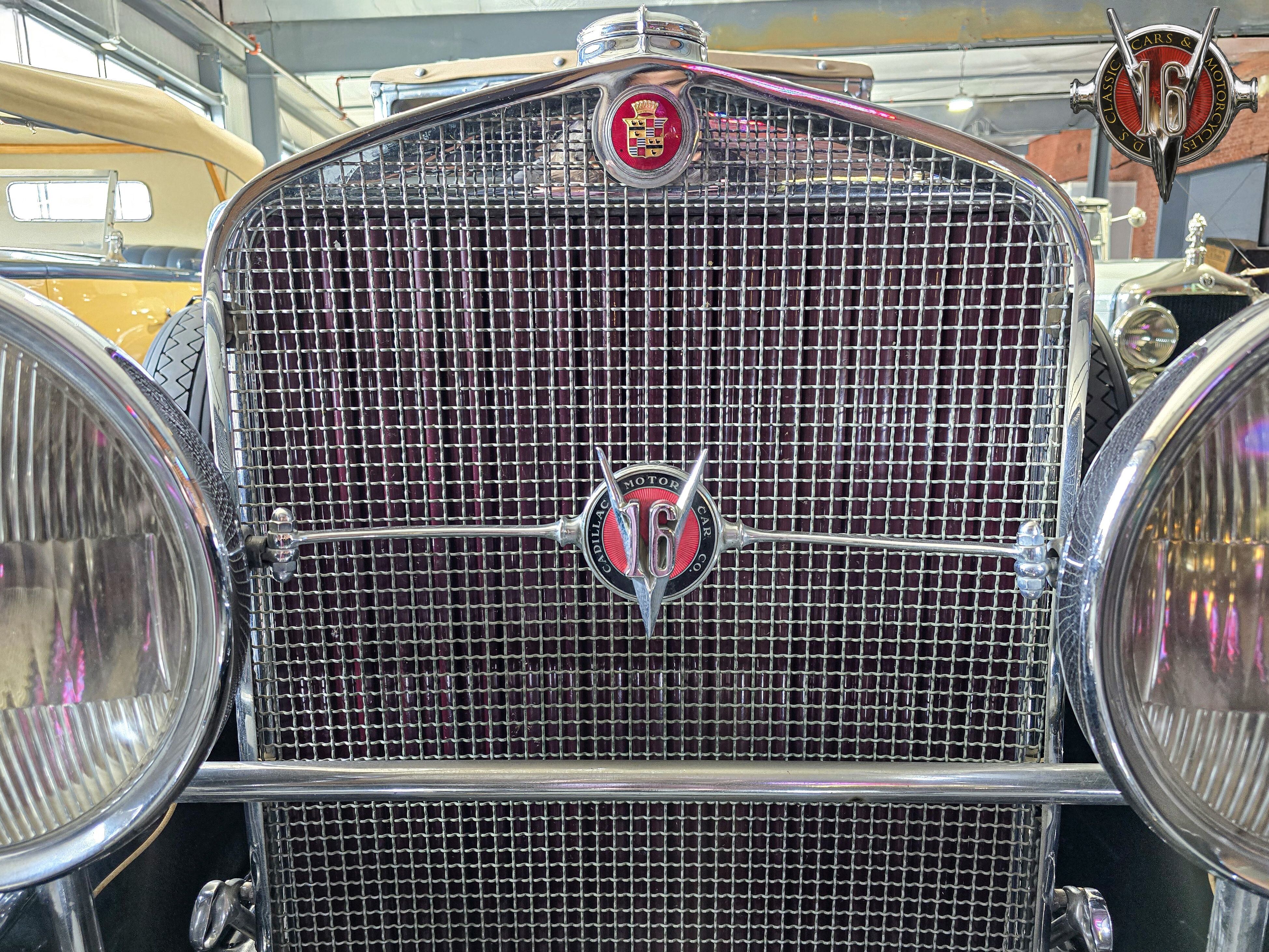
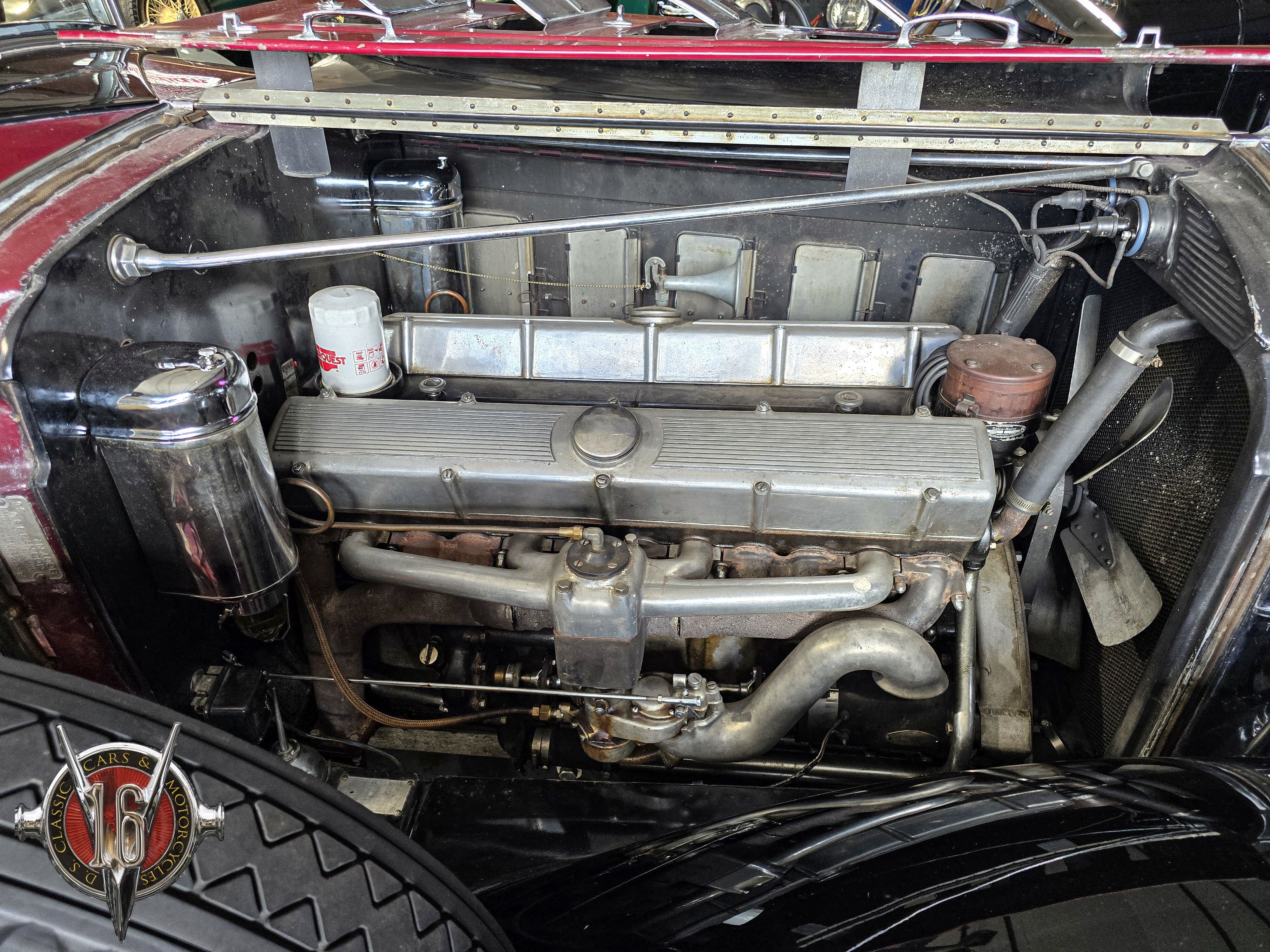
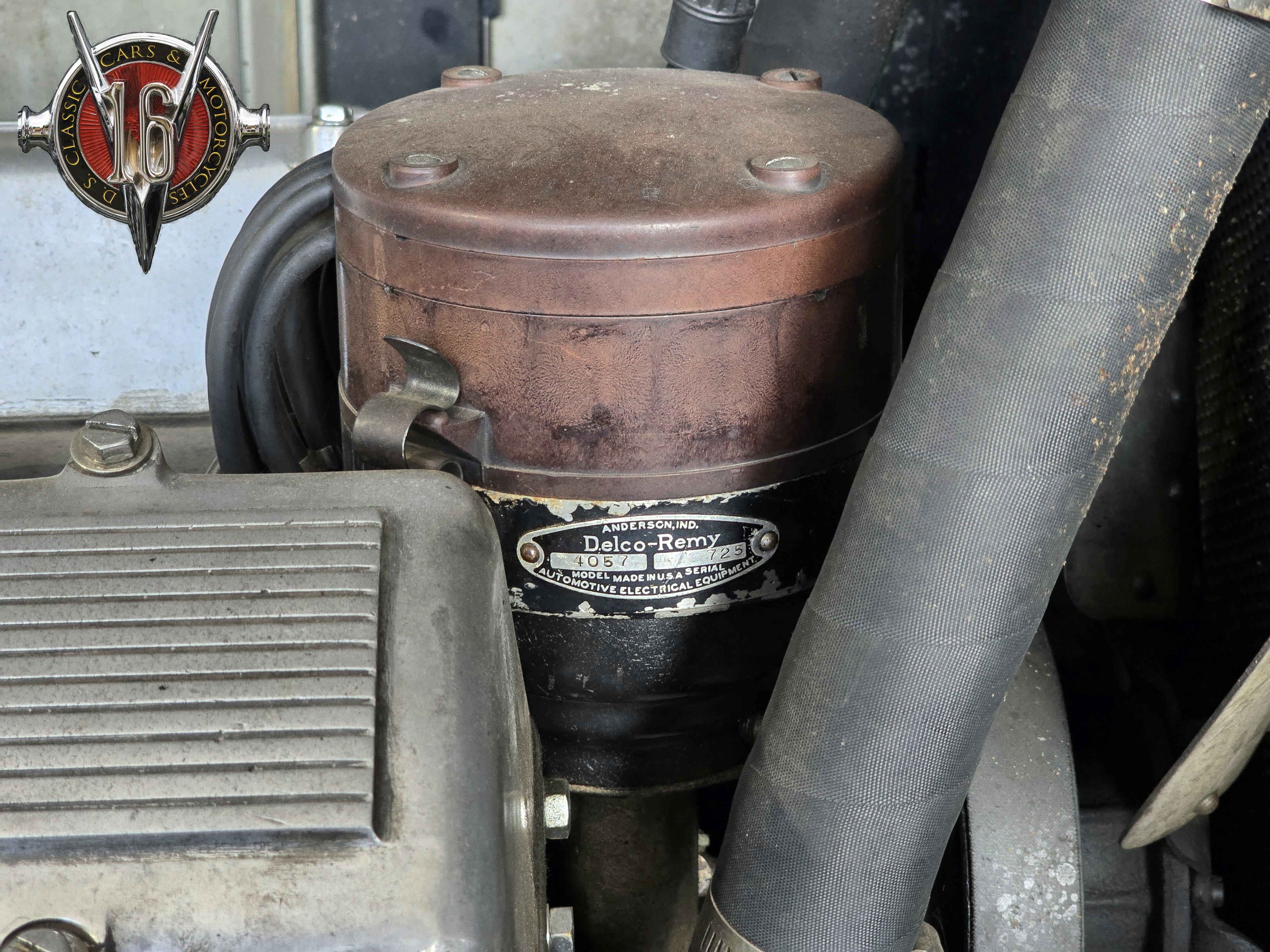
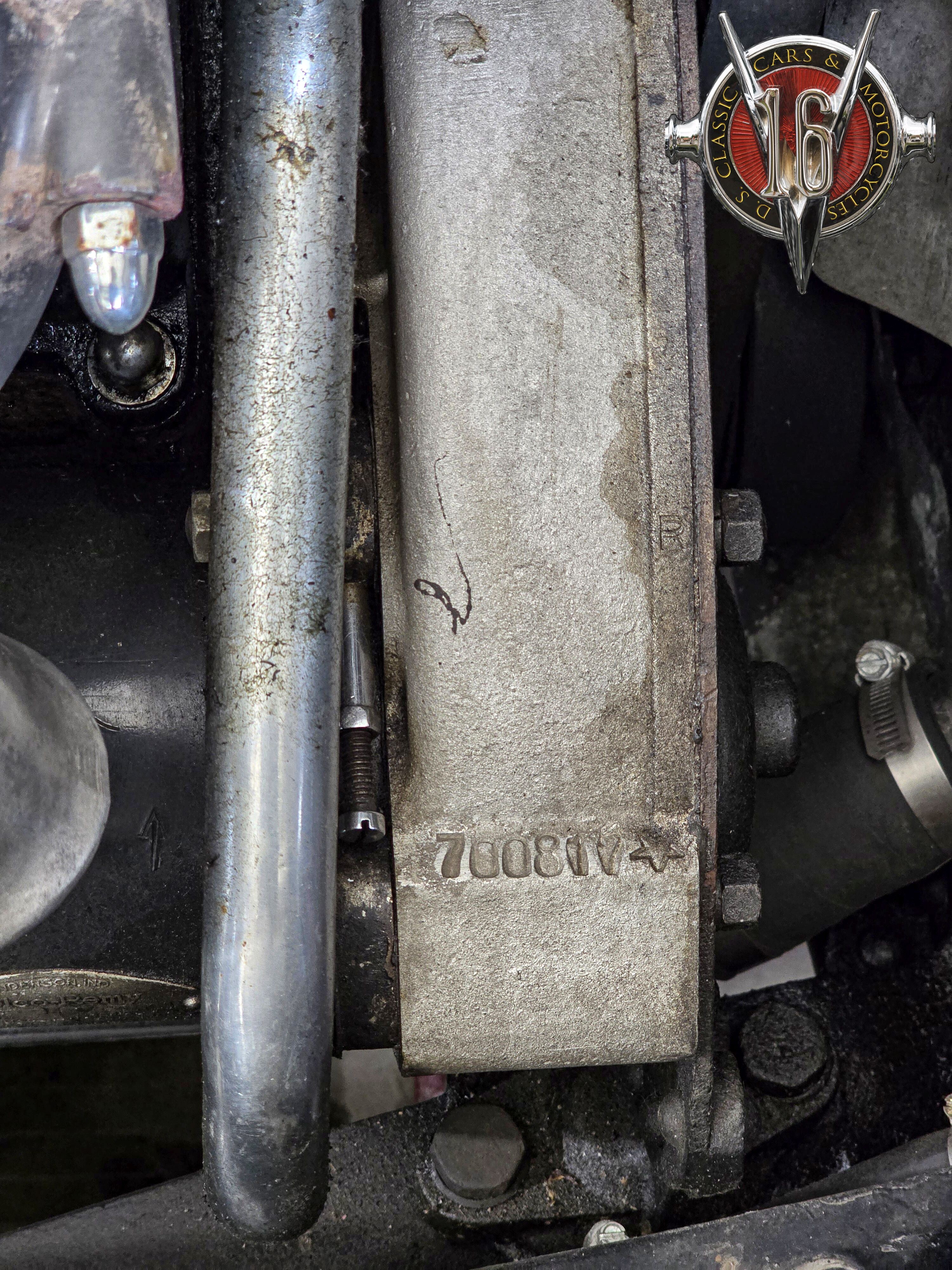
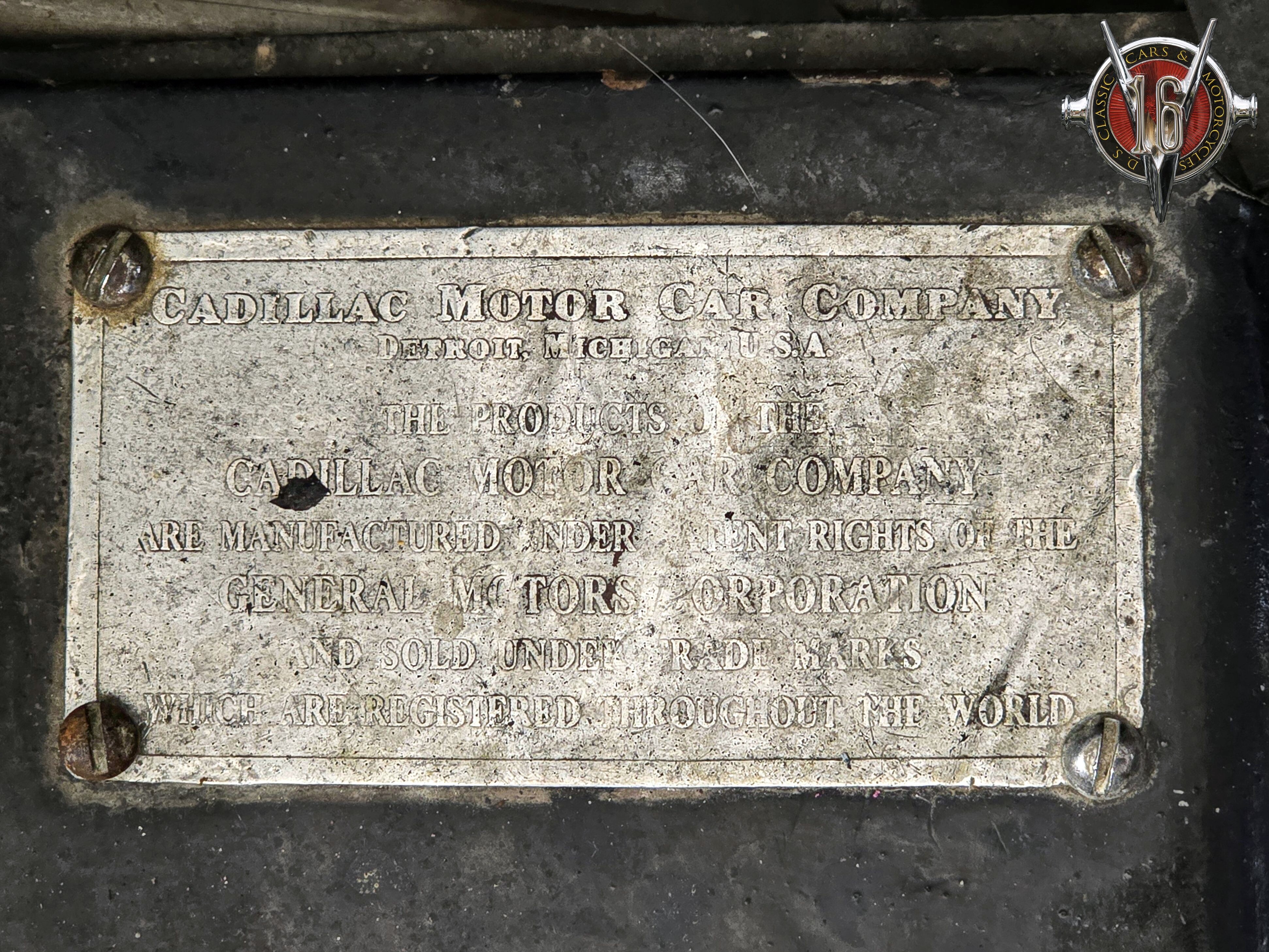
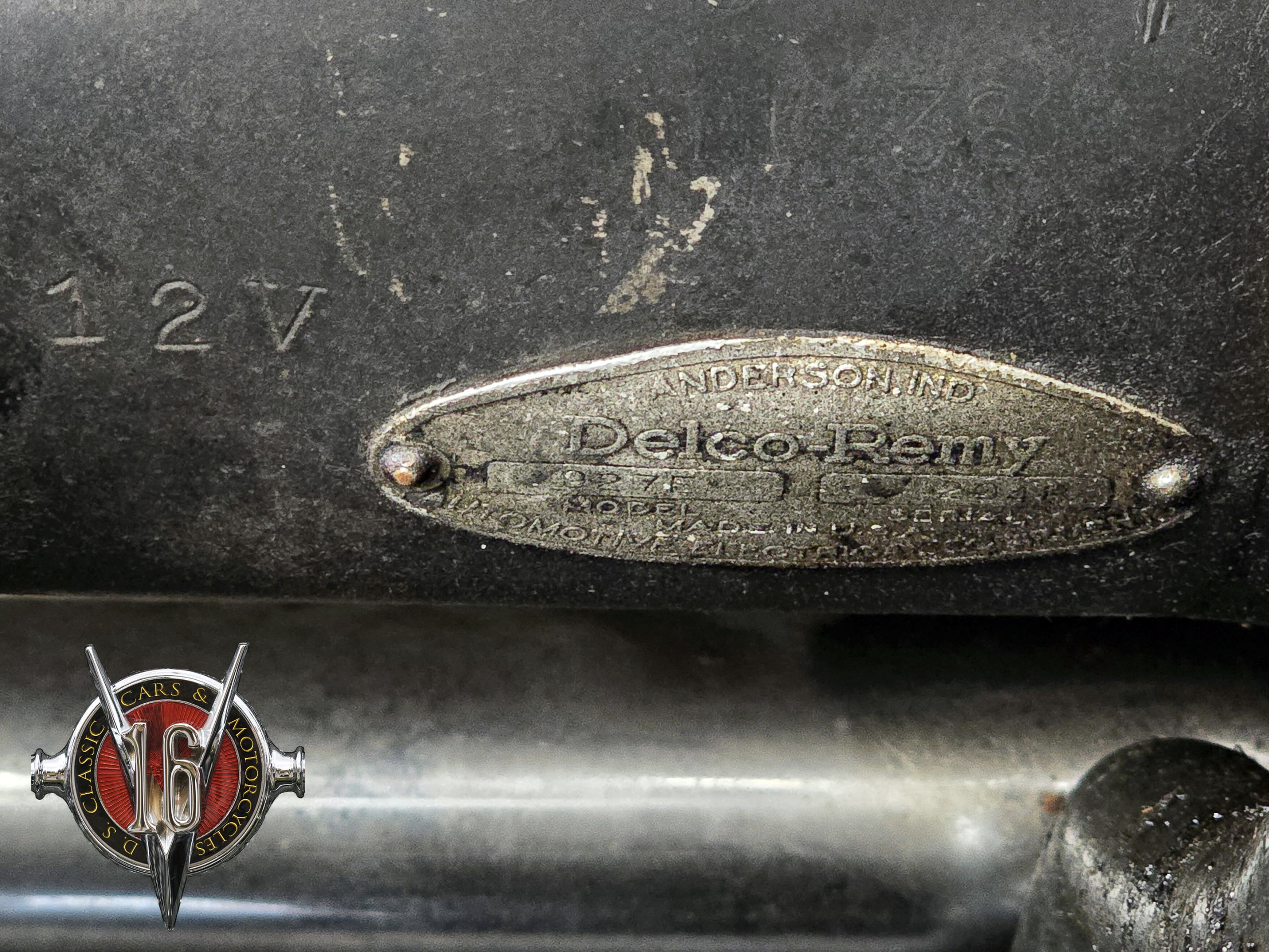
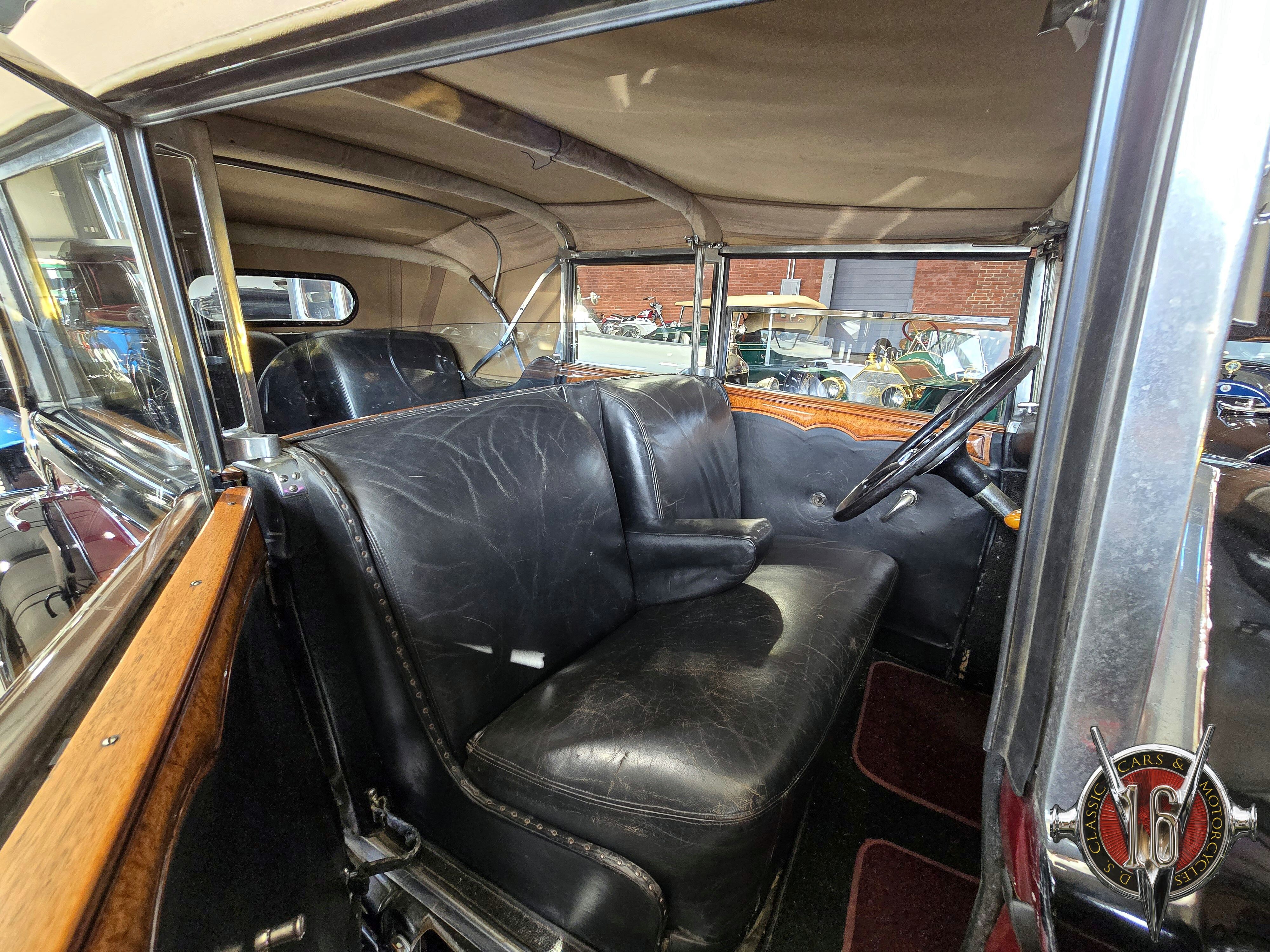
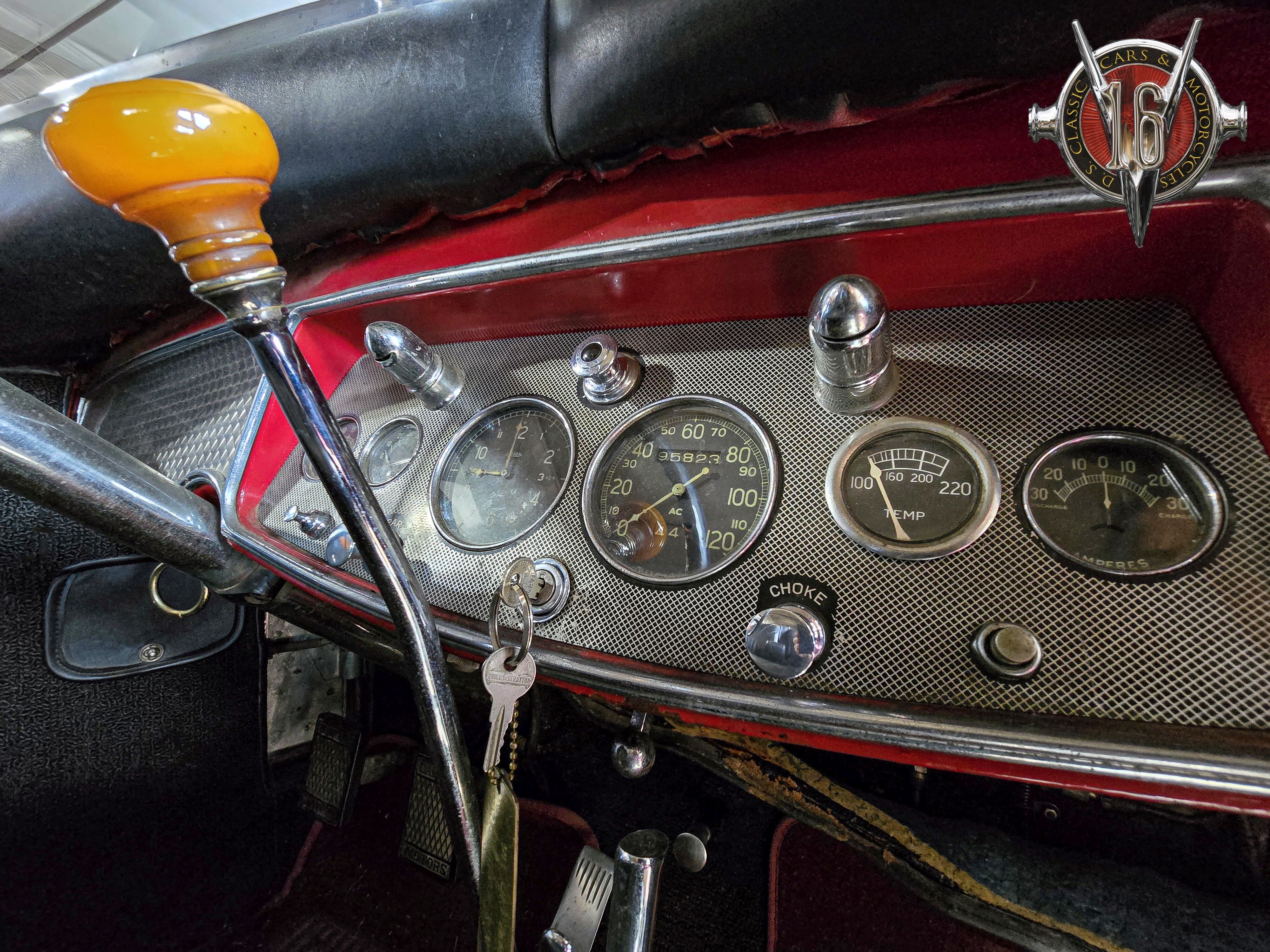
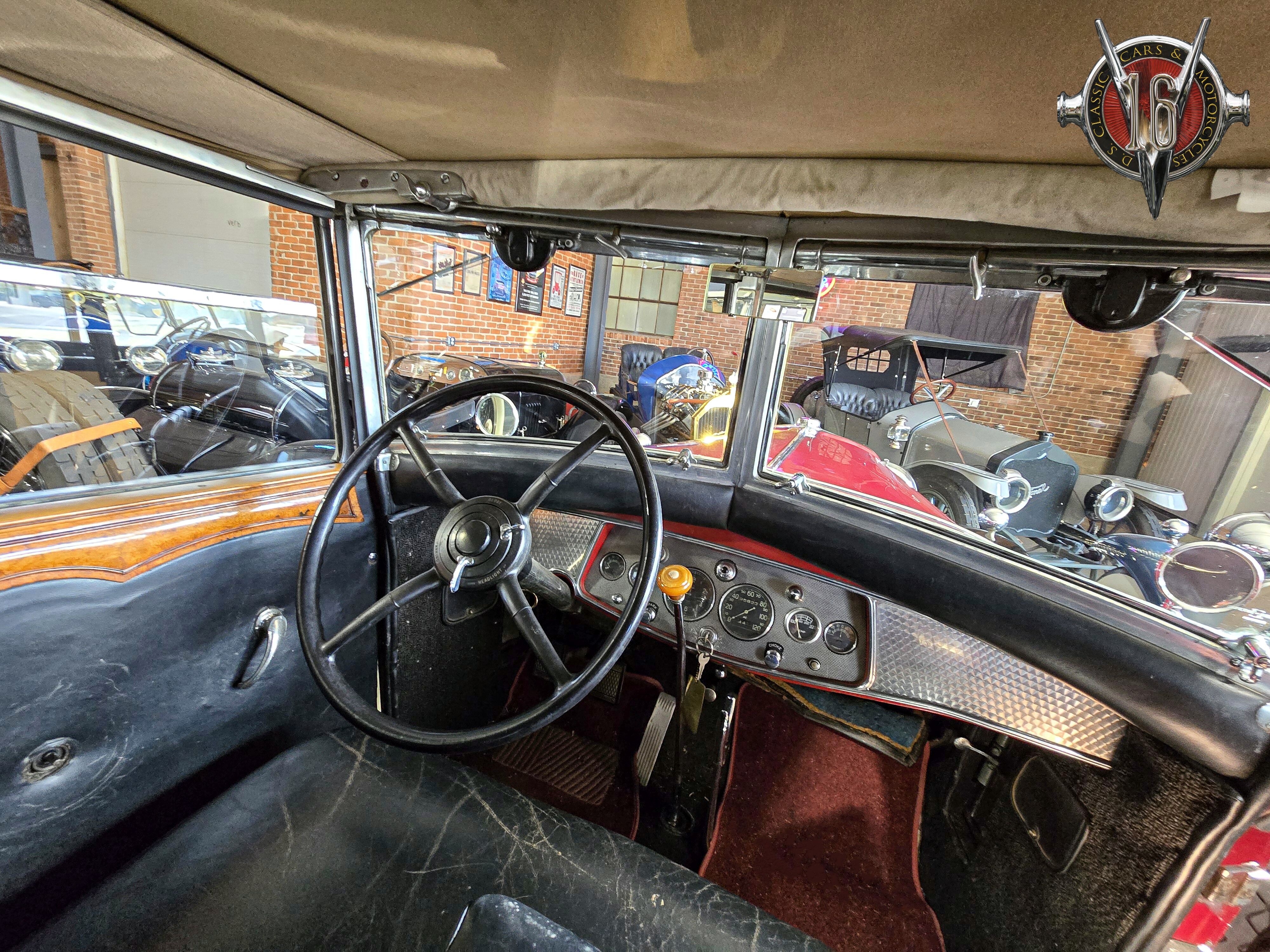
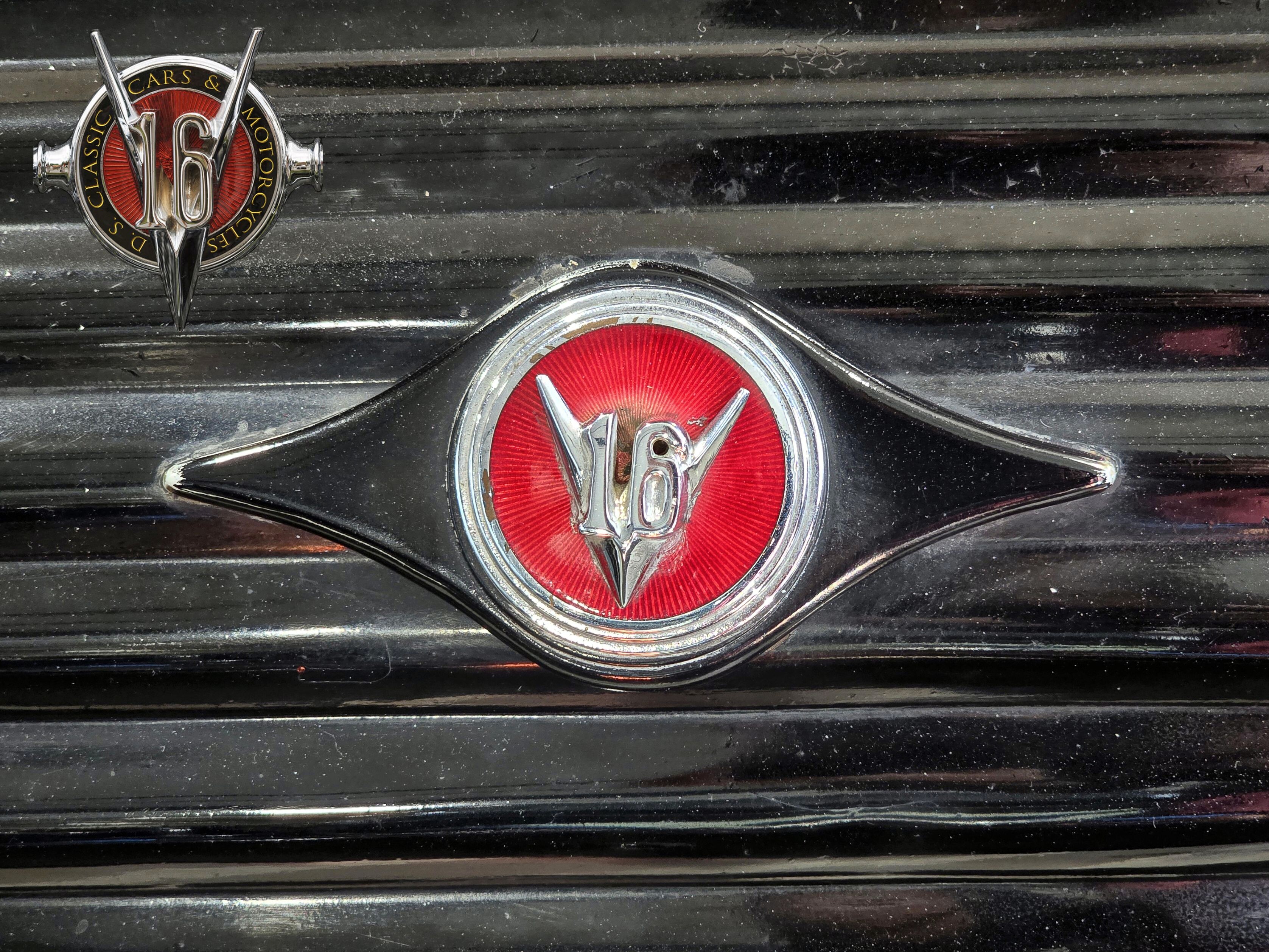
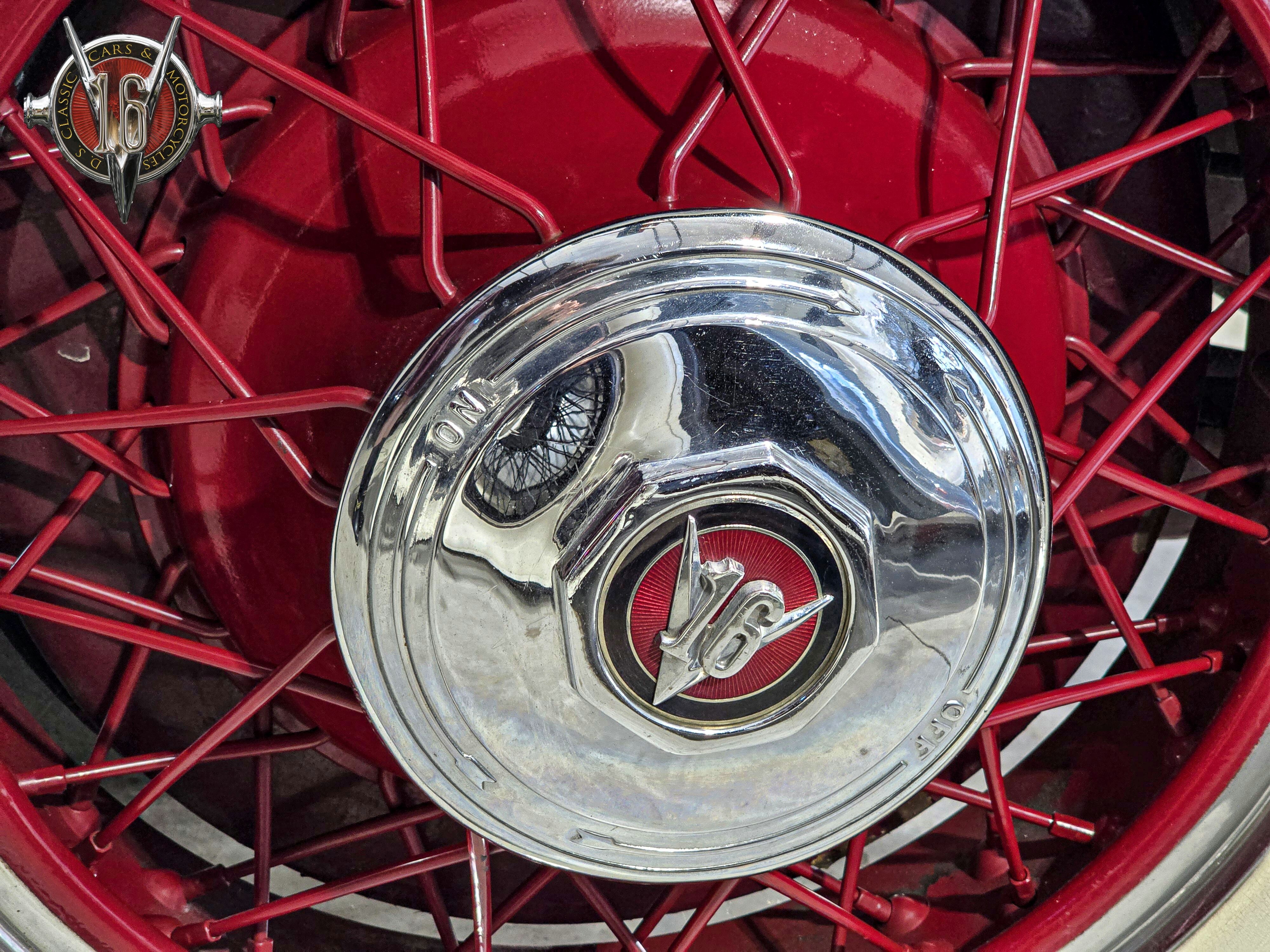
1930 Cadillac All Weather Phaeton V-16 by Fleetwood Model 4380 Convertible Sedan
Inventory Number: 3158
$275,000
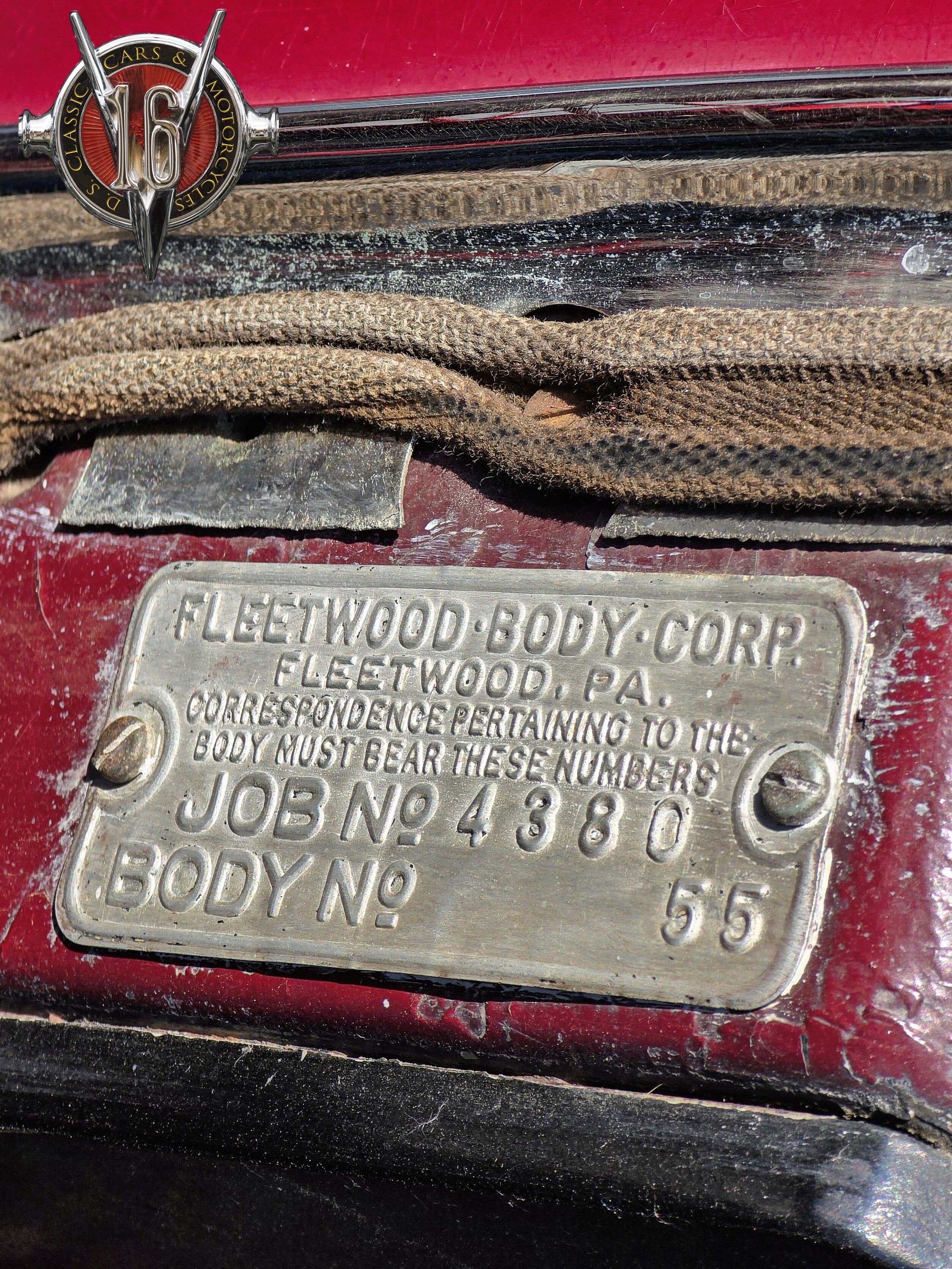
- MODEL NO: 4380
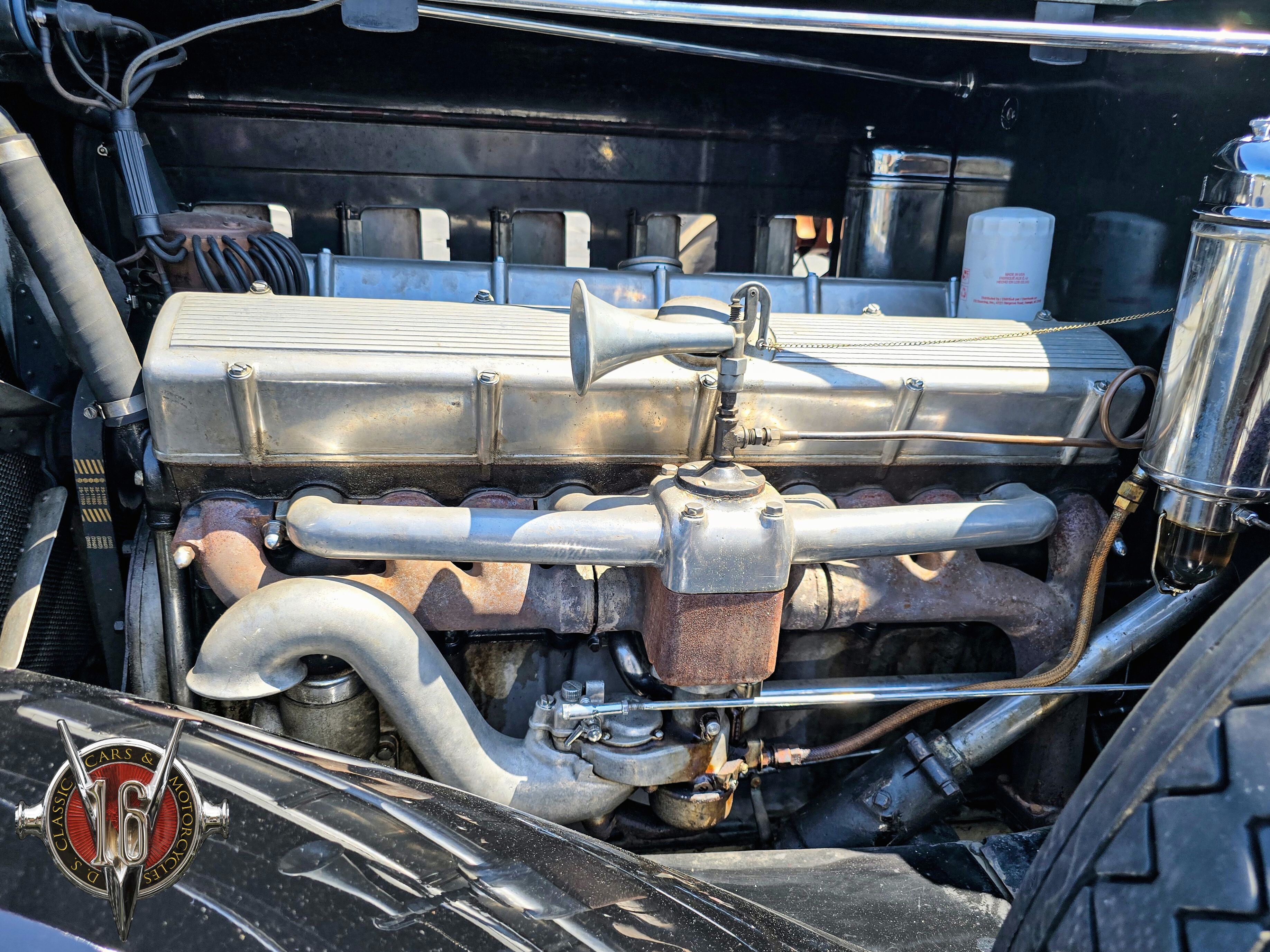
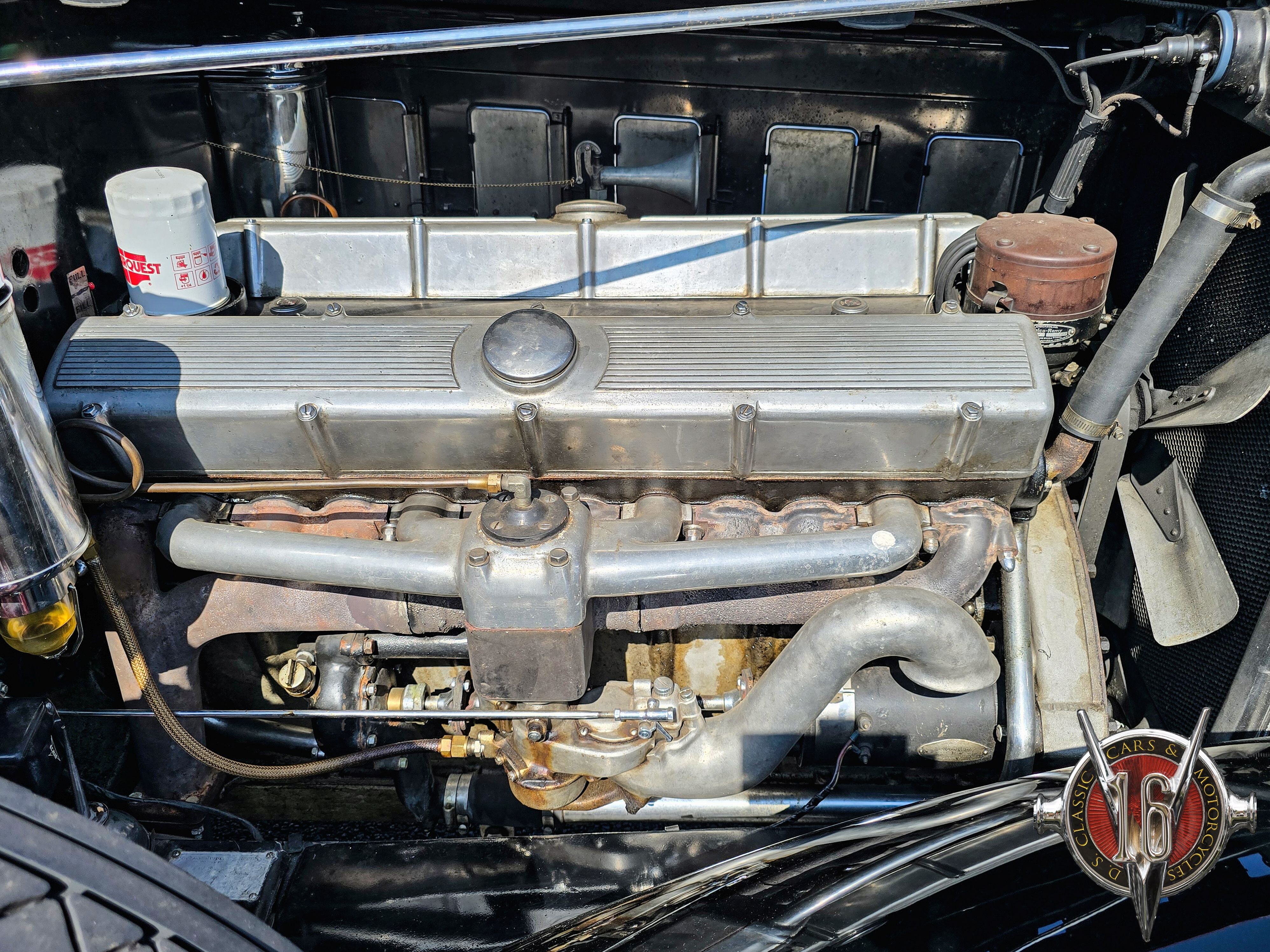
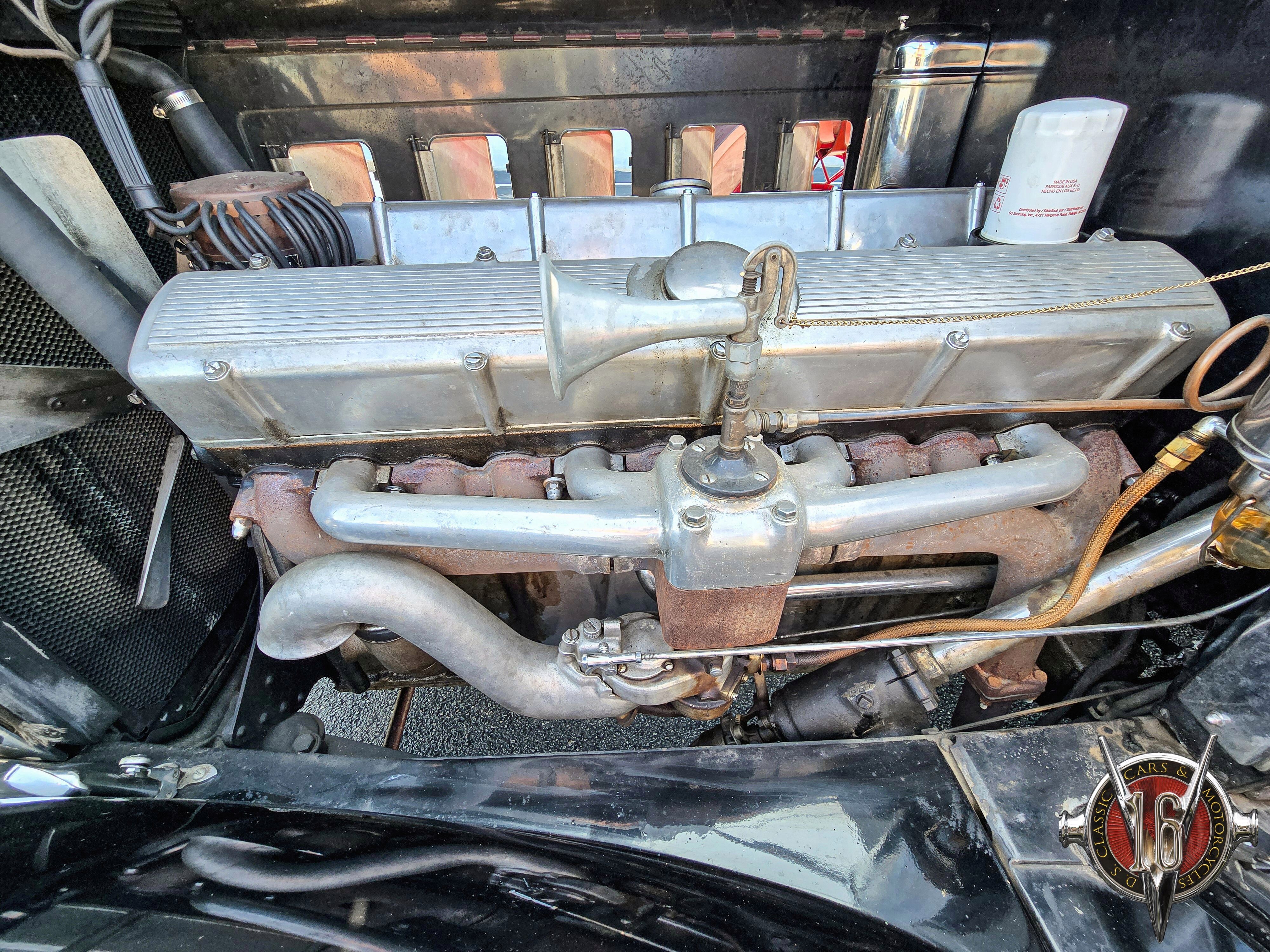
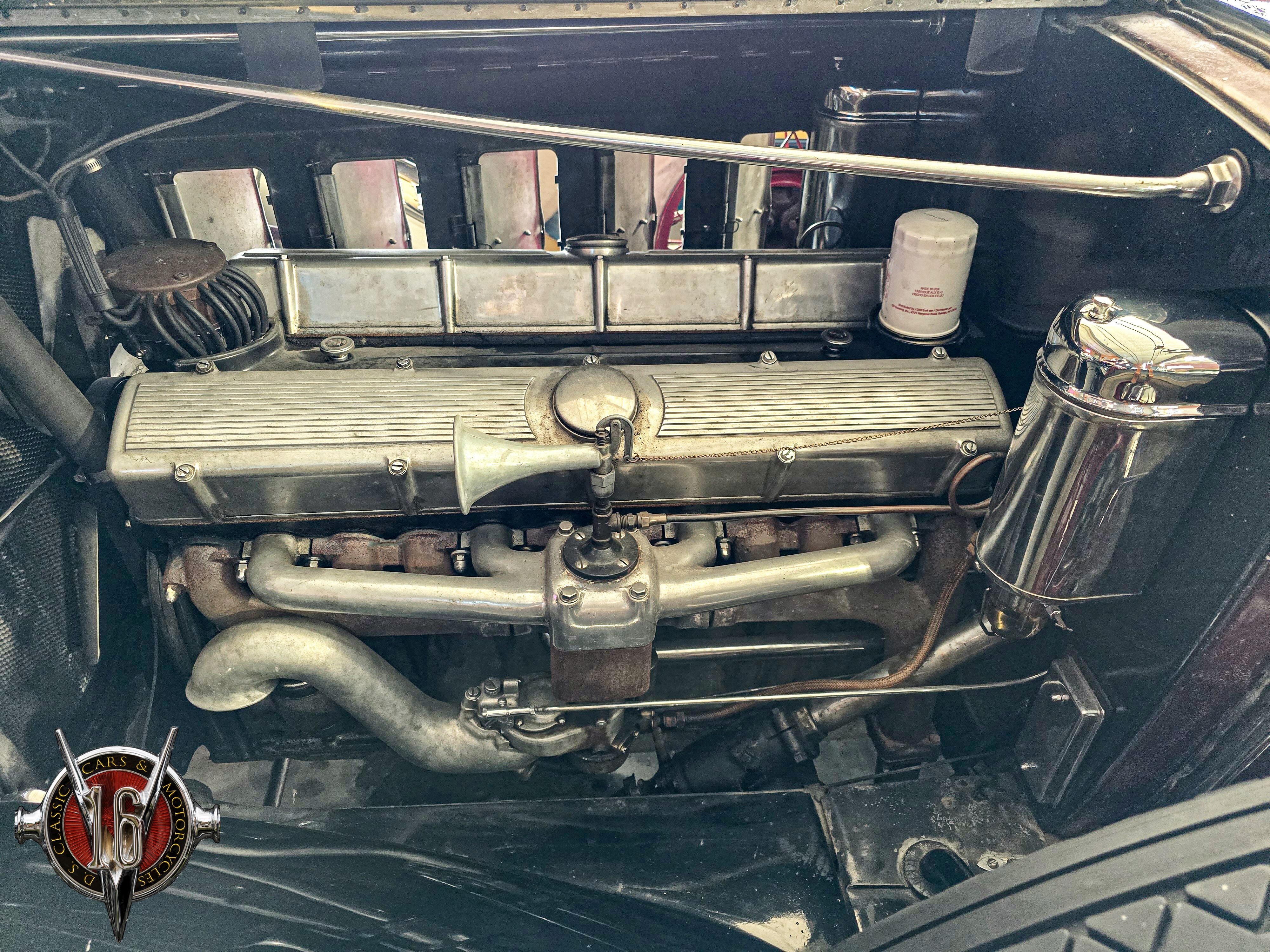
- ENGINE: V-16
- ENGINE NO: 700817
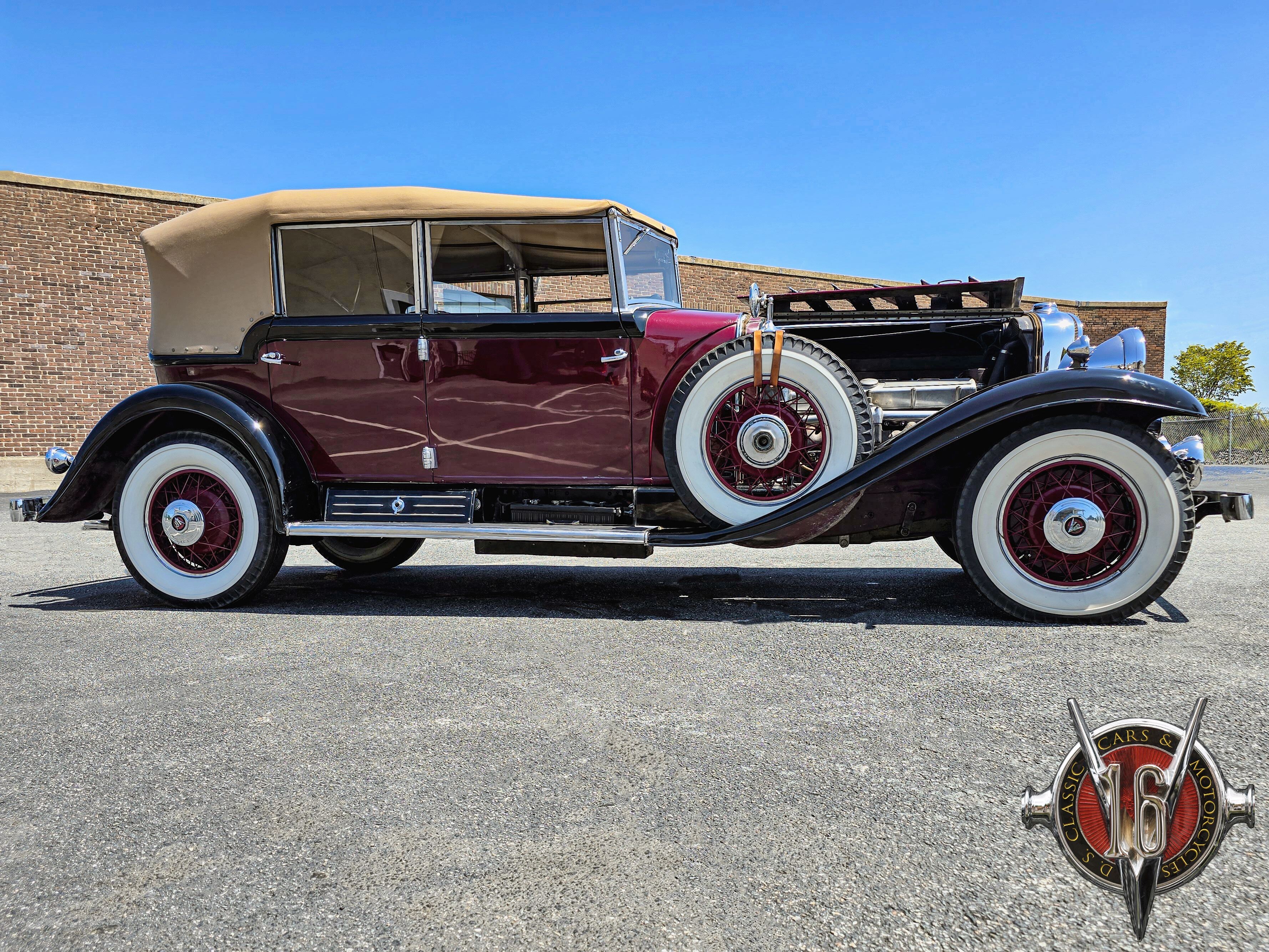
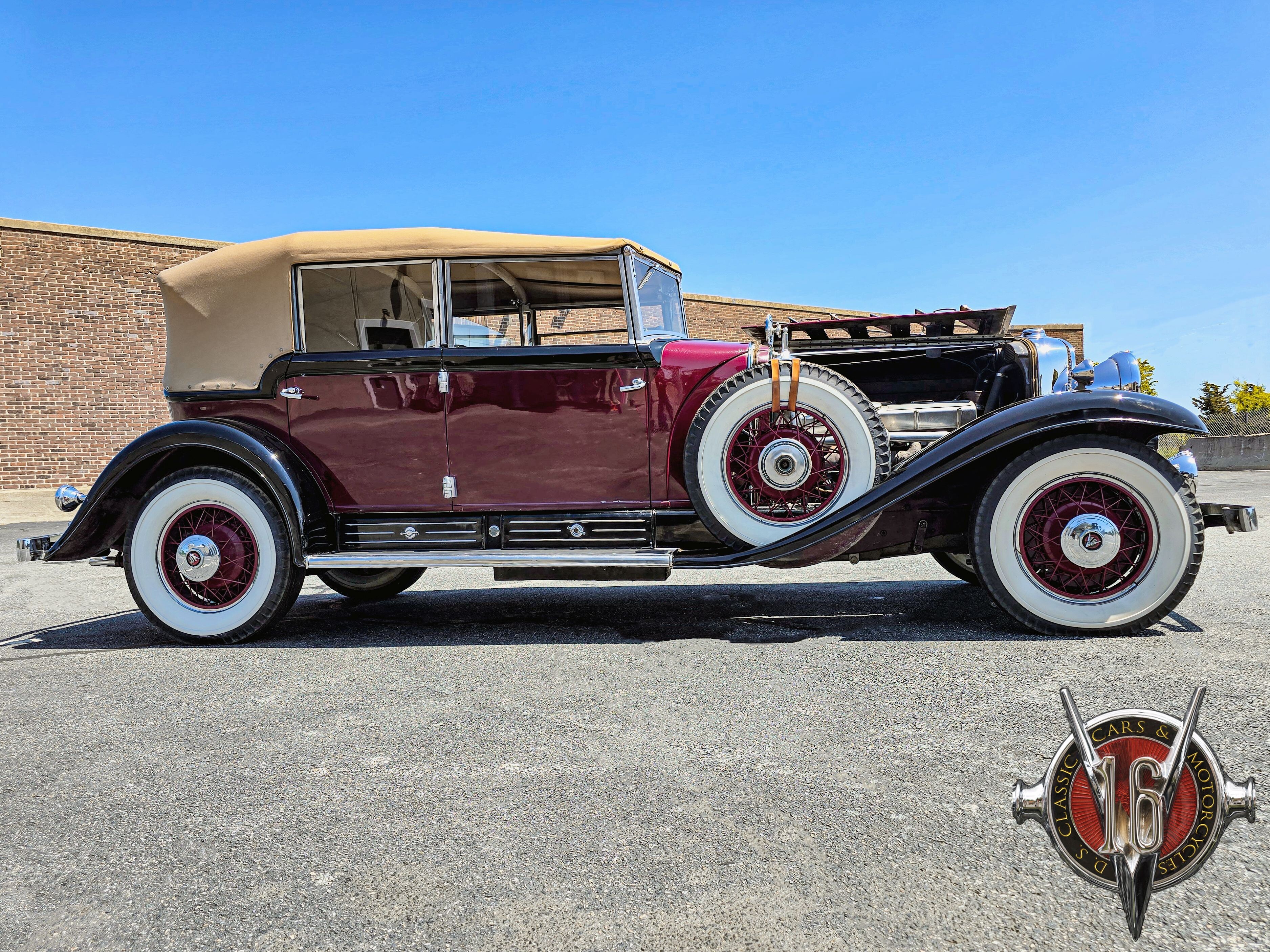
- BODY: All Weather Phaeton
- BODY BY: Fleetwood Body Corp.
- BODY NO: 55
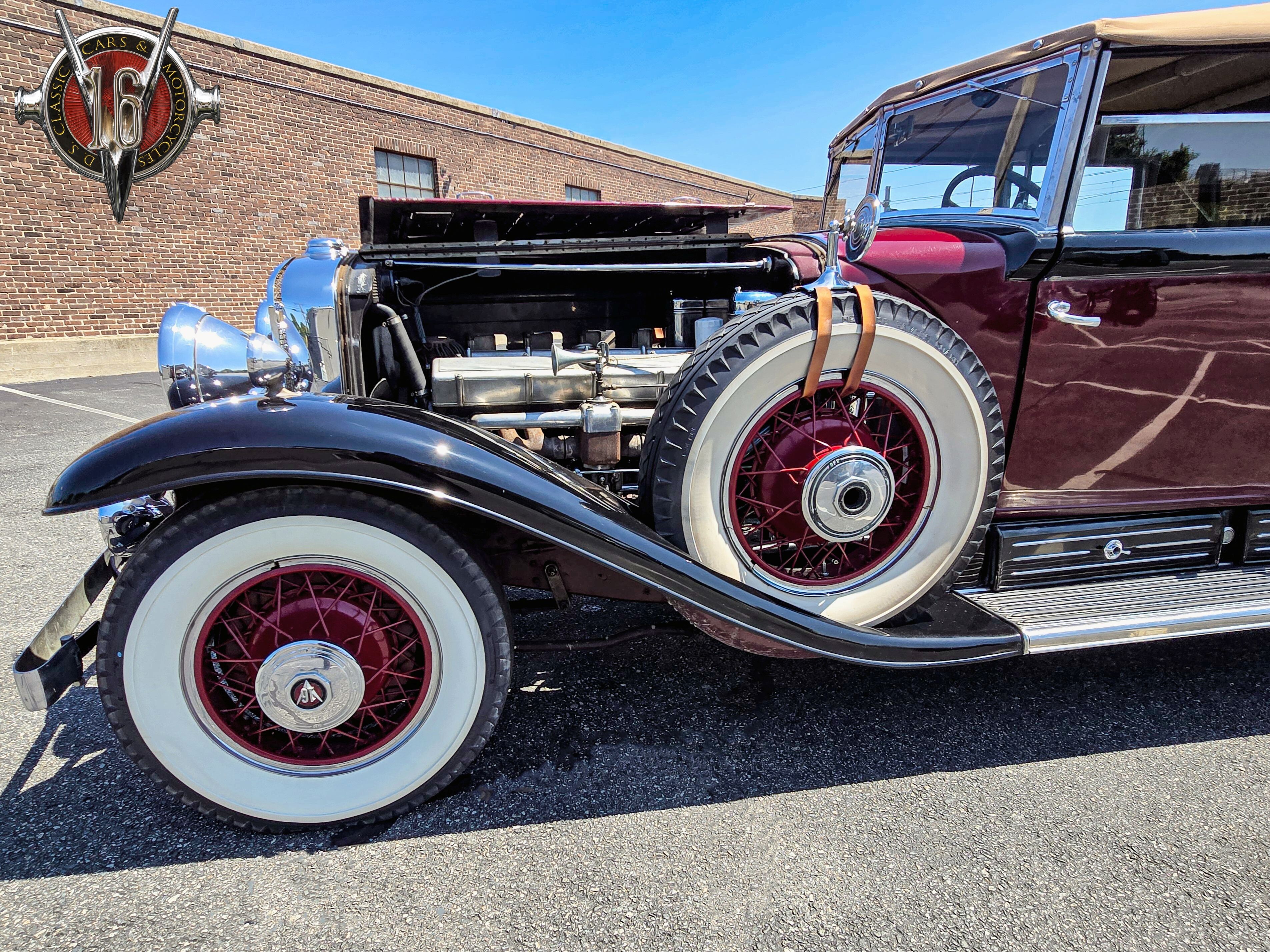
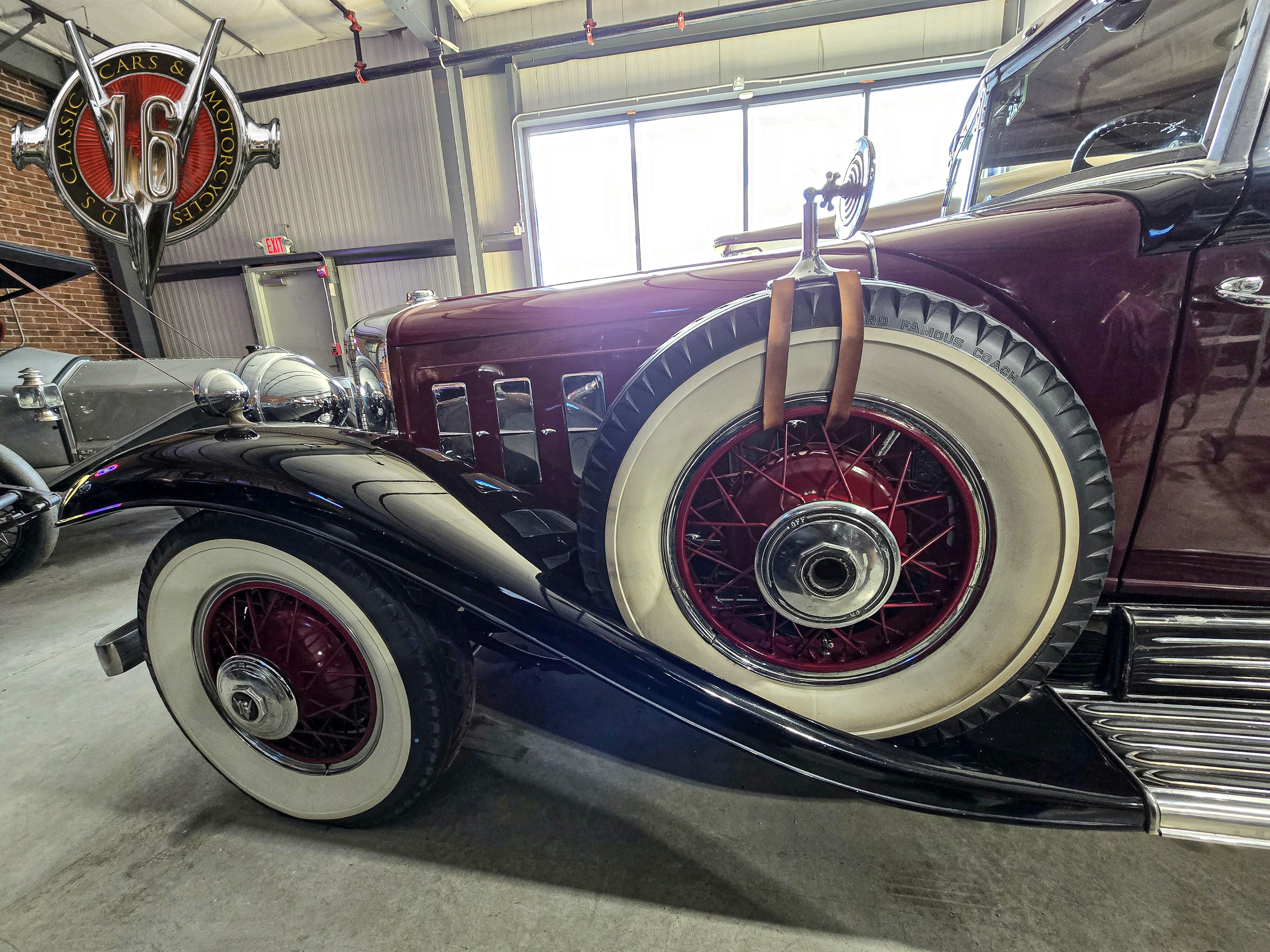
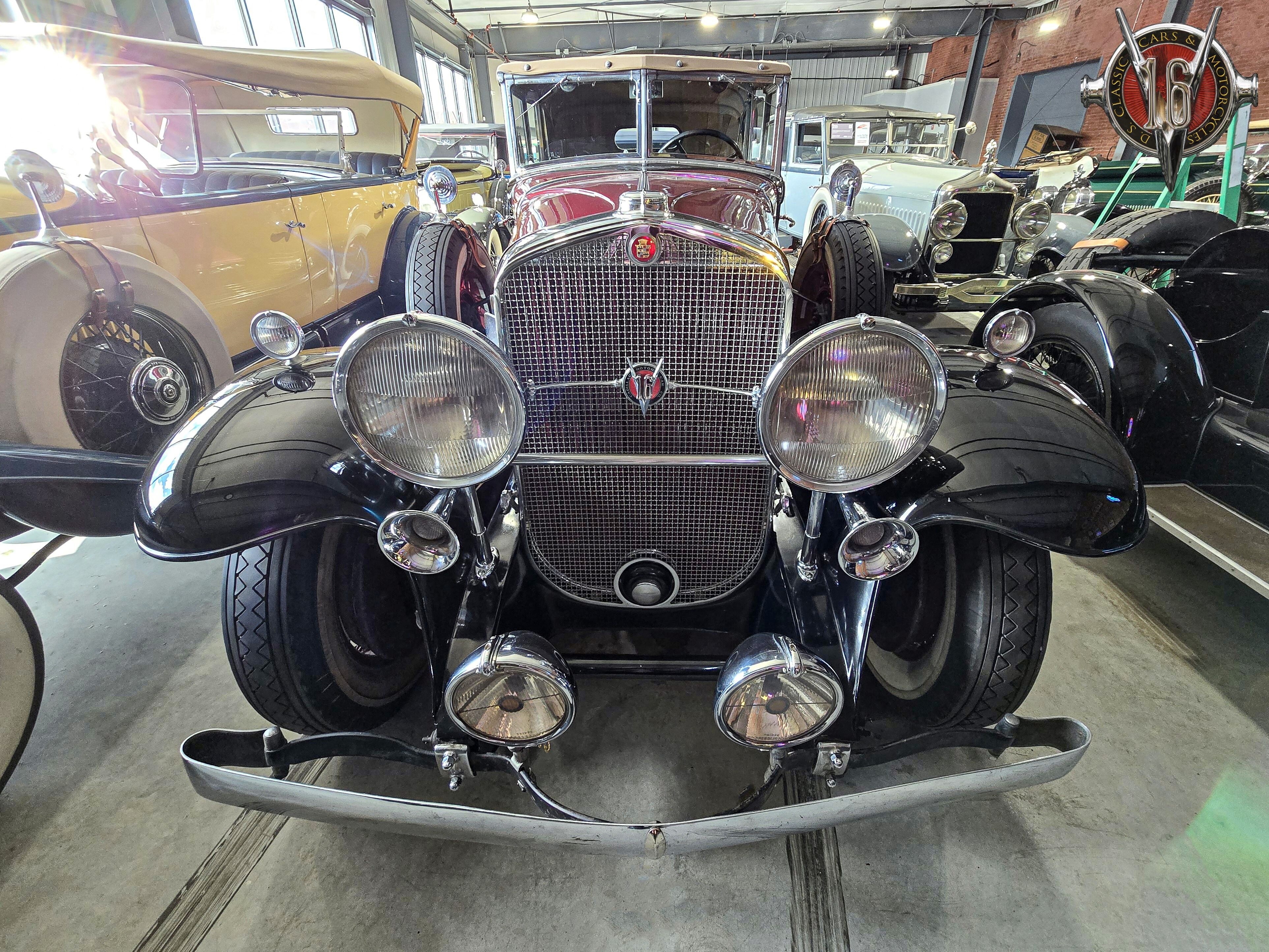
- FEATURES: Luggage Rack, Dual Side-Mount Spare Tires with Mirrors & More
- DOCUMENTATION: US Title
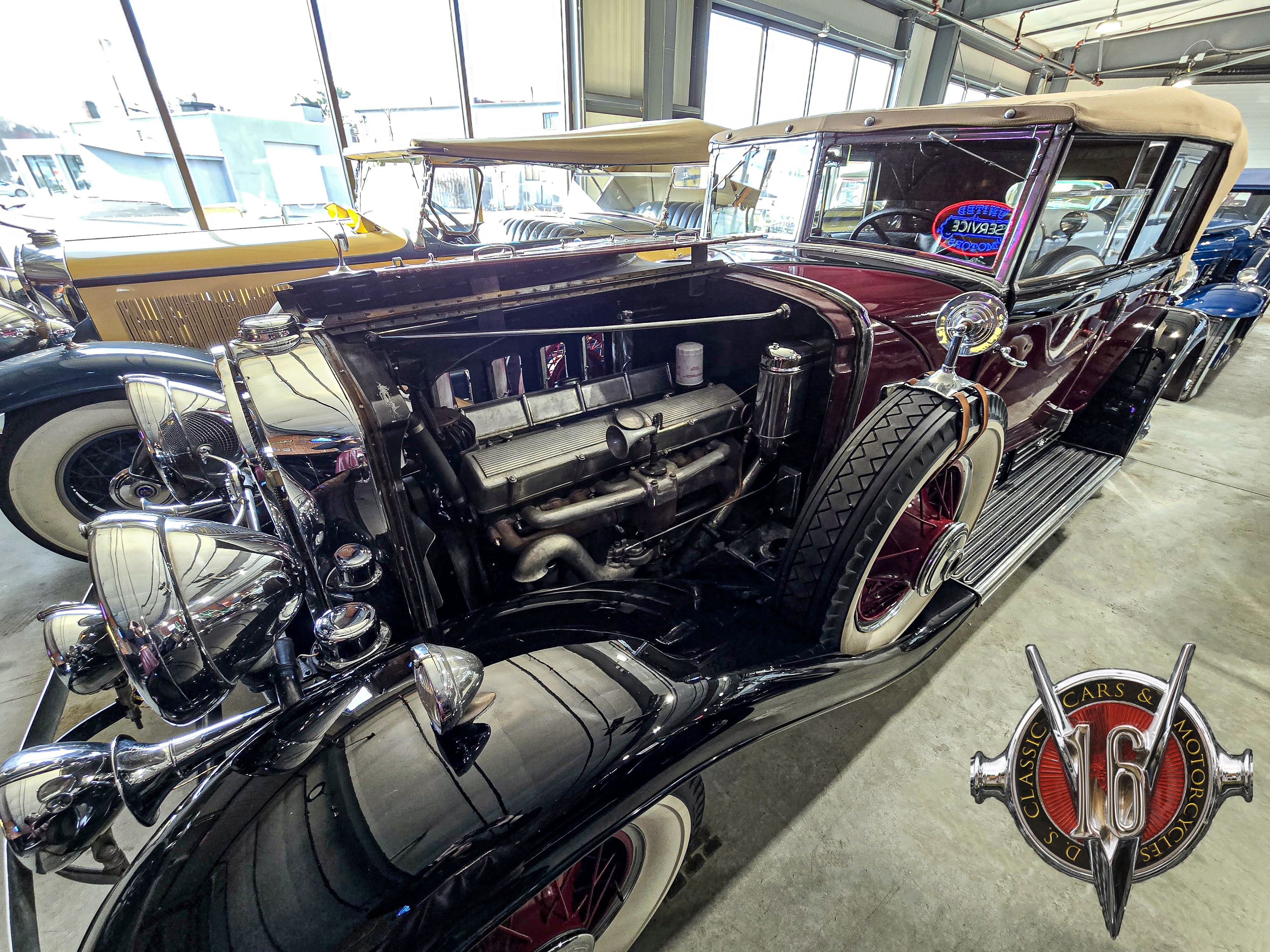
Phaetons, derived from light and open four-wheeled carriages, were open-air automobiles without any fixed weather protection. They were popular from the 1900s until the 1930s when closed vehicles and convertibles became more widely available. Cadillac’s Phaeton, however, was more than just a means of transportation but a status symbol filled with luxury options. All Weather Phaetons offered both the open-air driving experience of a convertible and the ability to be enclosed and protected from the elements through well-sealed tops and roll- up glass windows. As one of only 258 All Weather Phaetons, this 1930 V-16 is a rare specimen.
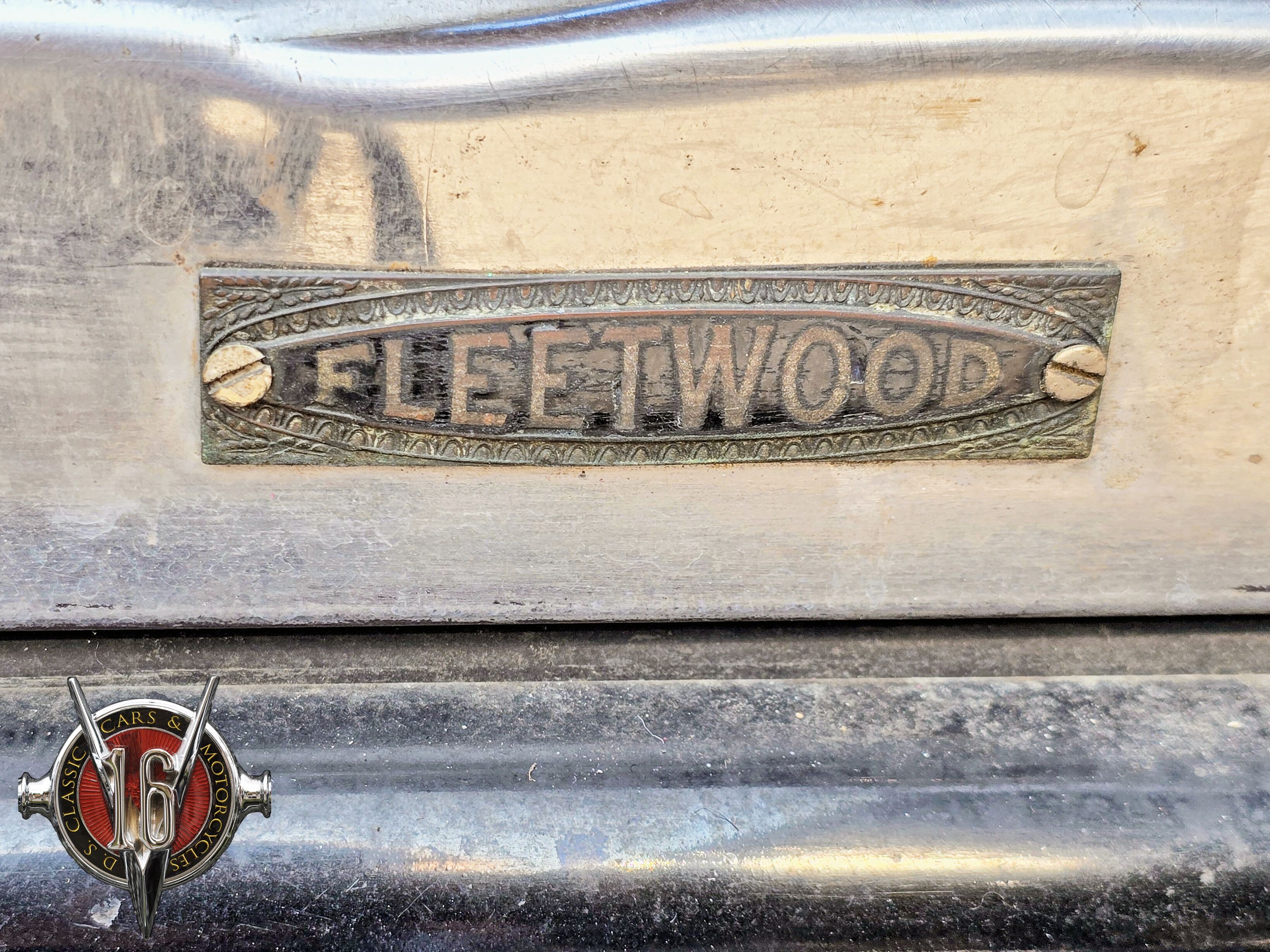
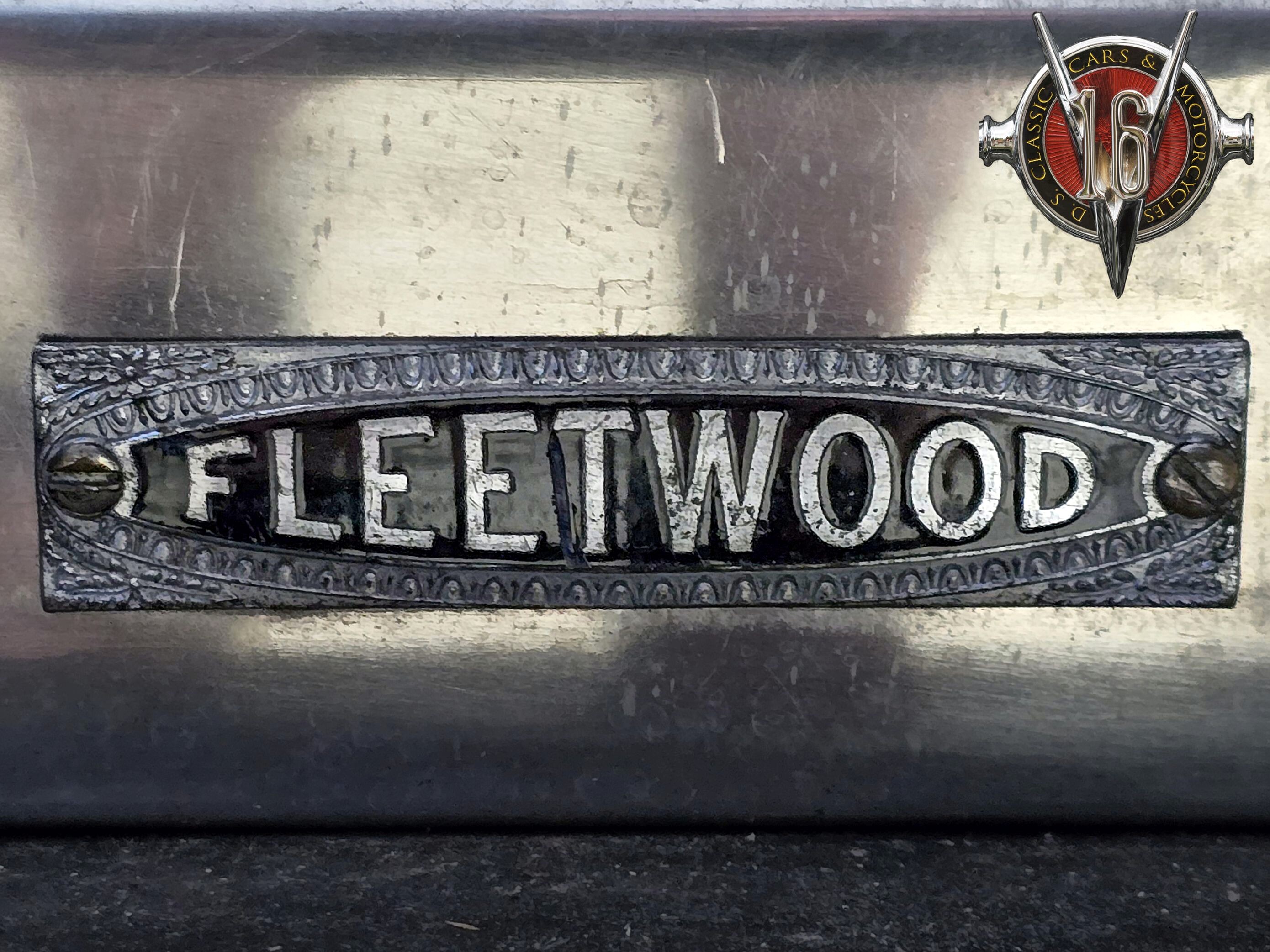
FLEETWOOD
The coachwork was designed by Fleetwood Metal Body Co. in Fleetwood, Pennsylvania, known for crafting high-quality, custom-built luxury bodies for many classic vehicles. Founded in 1909, their work adorned only the best, including Cadillac, Duesenberg, and Rolls-Royce.
HISTORY:
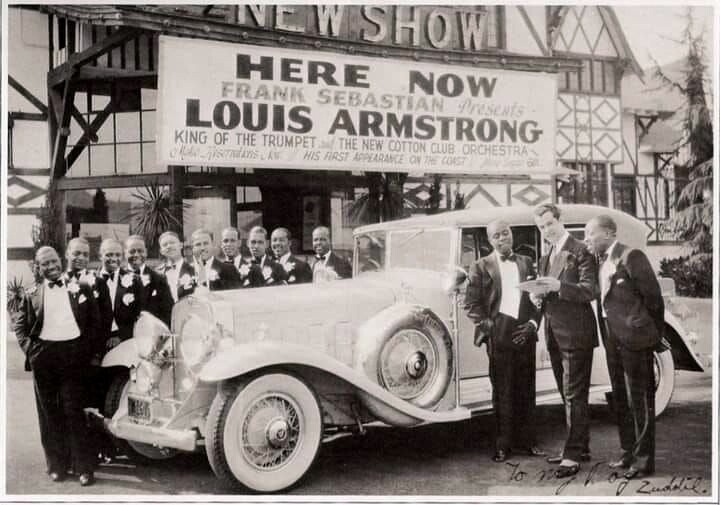
Frank Sebastian, a prominent entertainment businessman of Los Angeles, California, was the first owner of this sleek automobile. He also owned Frank Sebastian’s Cotton Club, the most popular nightclub in Culver City from 1926 to 1938. Its location at the intersection of Washington Boulevard and National, alongside three major film studios and just outside of Los Angeles, allowed it to be open all night long. Famous jazz musicians were known to play here, including Louis Armstrong, the world’s most influential trumpet player. He even recorded at the venue alongside the young showman, Lionel Hampton, and was photographed outside the club with this very automobile. Alongside the music, Las Vegas-style acts were used to cover the sound of the illegal casino operating upstairs. He had other successful and prominent establishments, including Sebastian’s Cafe, colloquially known as the Venice Cafe due to its location near Venice Beach.
Since being graced by the who’s who of the 1930s, this vehicle has had multiple careful owners, one of whom recently completed a beautiful show-quality restoration. It is now in the care of the Dick Shappy Collection.
CADILLAC
In 1902, Henry Ford left the Henry Ford Company with several of his key partners, and with Henry M. Leland of Leland & Faulconer Manufacturing Company, they began manufacturing automobiles with Leland’s single-cylinder engine. They named this venture Cadillac Automobile Company after the French explorer who founded Detroit in 1701, Antoine Laumet de La Mothe, sieur de Cadillac, and based the logo on his coat of arms. This made Cadillac among the first automotive brands in the world, and they immediately began producing 10 HP horseless carriages called Runabouts and Tonneaus that were almost identical to the Ford Model A. Because of their precision manufacturing and reliability, they quickly accumulated orders and in 1905, merged with Leland into the Cadillac Motor Company. By 1906, they were the first volume manufacturer of a fully enclosed car and took international notice as the awards for interchangeability and reliability began to pile up.
It’s no wonder that General Motors took notice of America’s premier luxury car maker and purchased it in 1909. Together, they founded the mass production of automobiles and made many innovations, including (the first) full electrical systems, Synchro-Mesh manual transmission, the first mass-produced automatic transmission, steel roofs, dual-plane crankshafts, and shatter-resistant glass. Of the three engines they developed, the V8 set the standard. They would go on to make more than large luxury vehicles, producing limousines, military vehicles, ambulances, and even hearses. In the midst of the Great Depression, they introduced the iconic V-16 engine, and sales bounced back and then some by 1940.
To this day, Cadillac automobiles remain a global brand of luxury, at the pinnacle of GM’s 2.7 million vehicles sold in 2024.