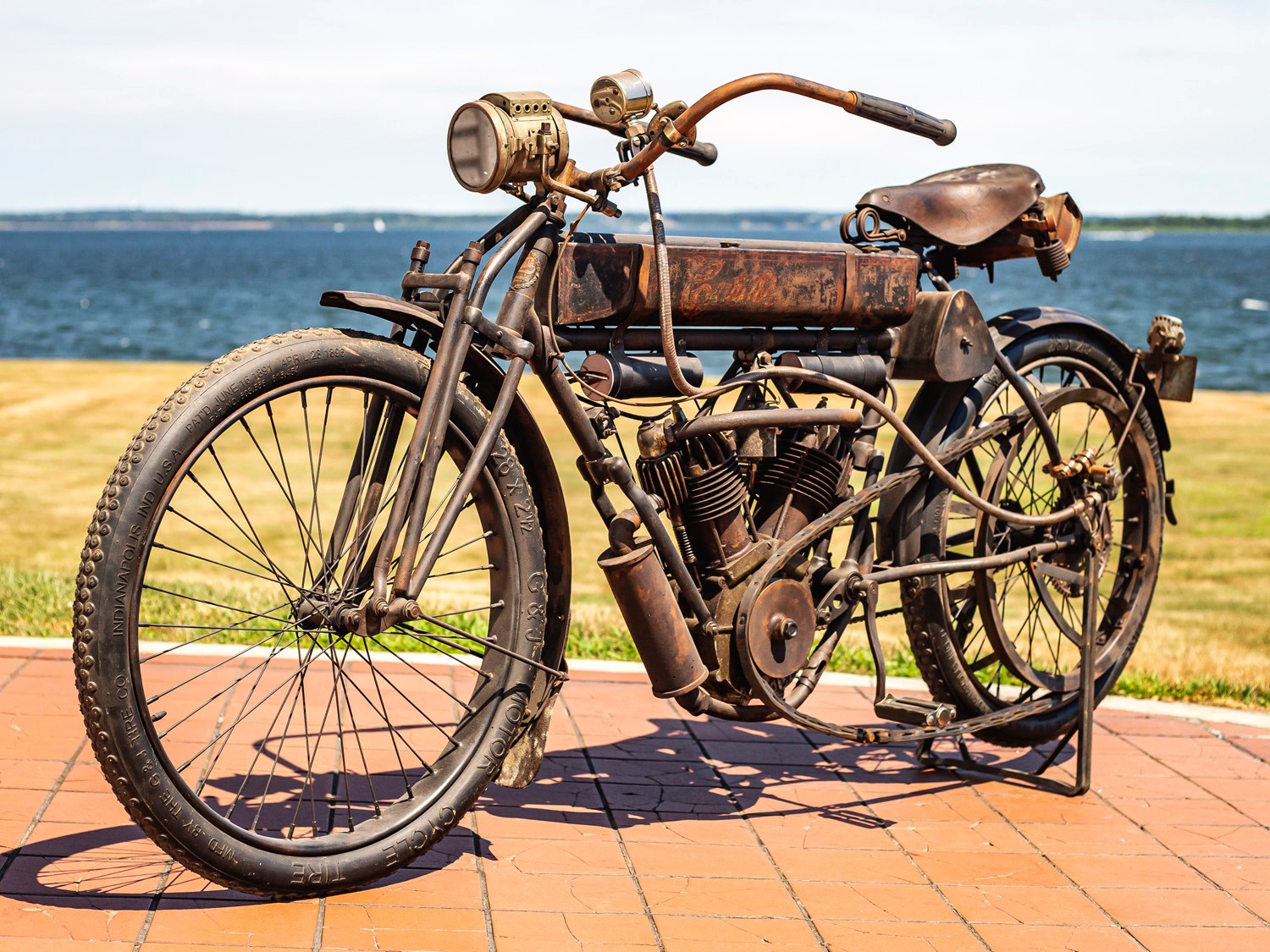
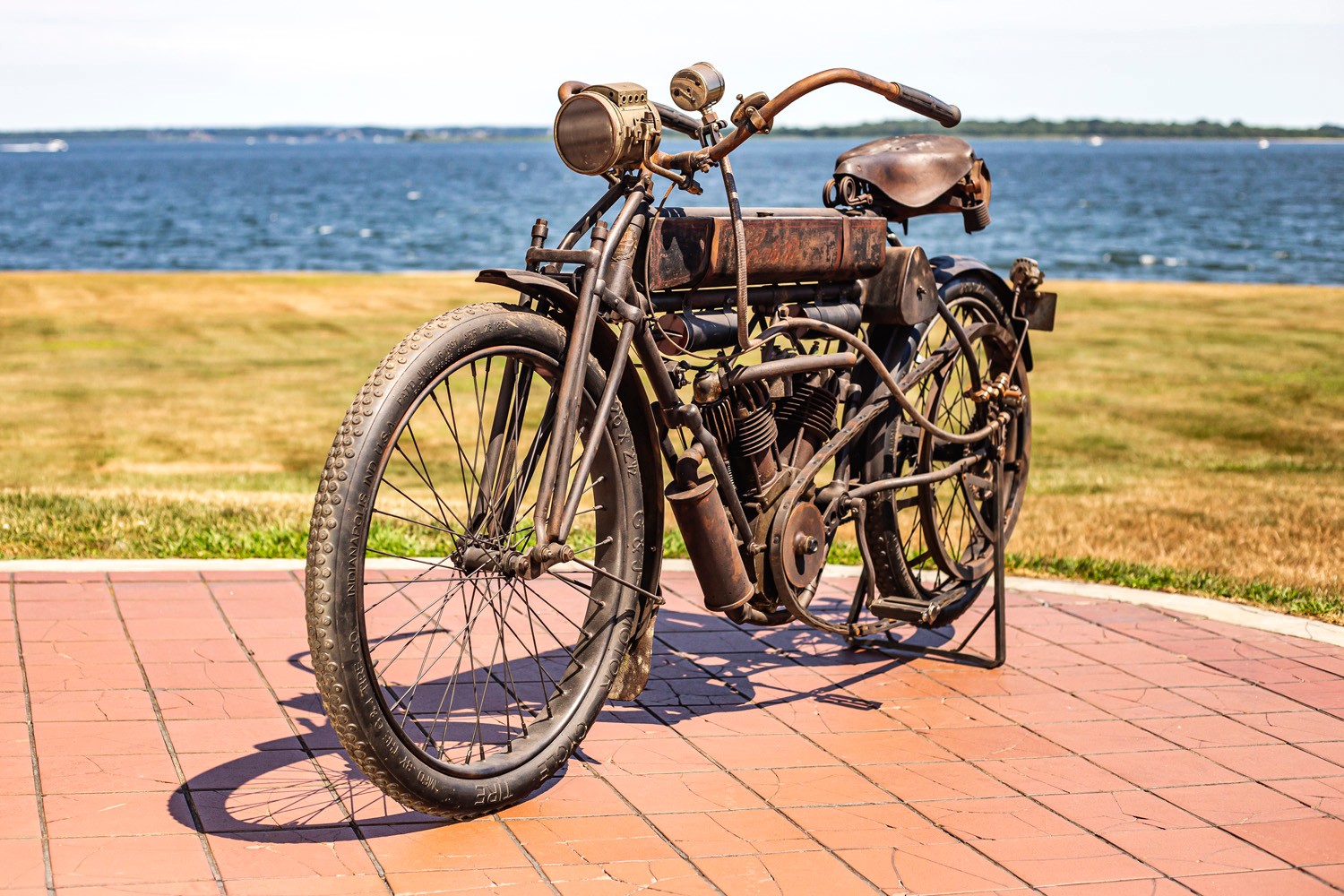
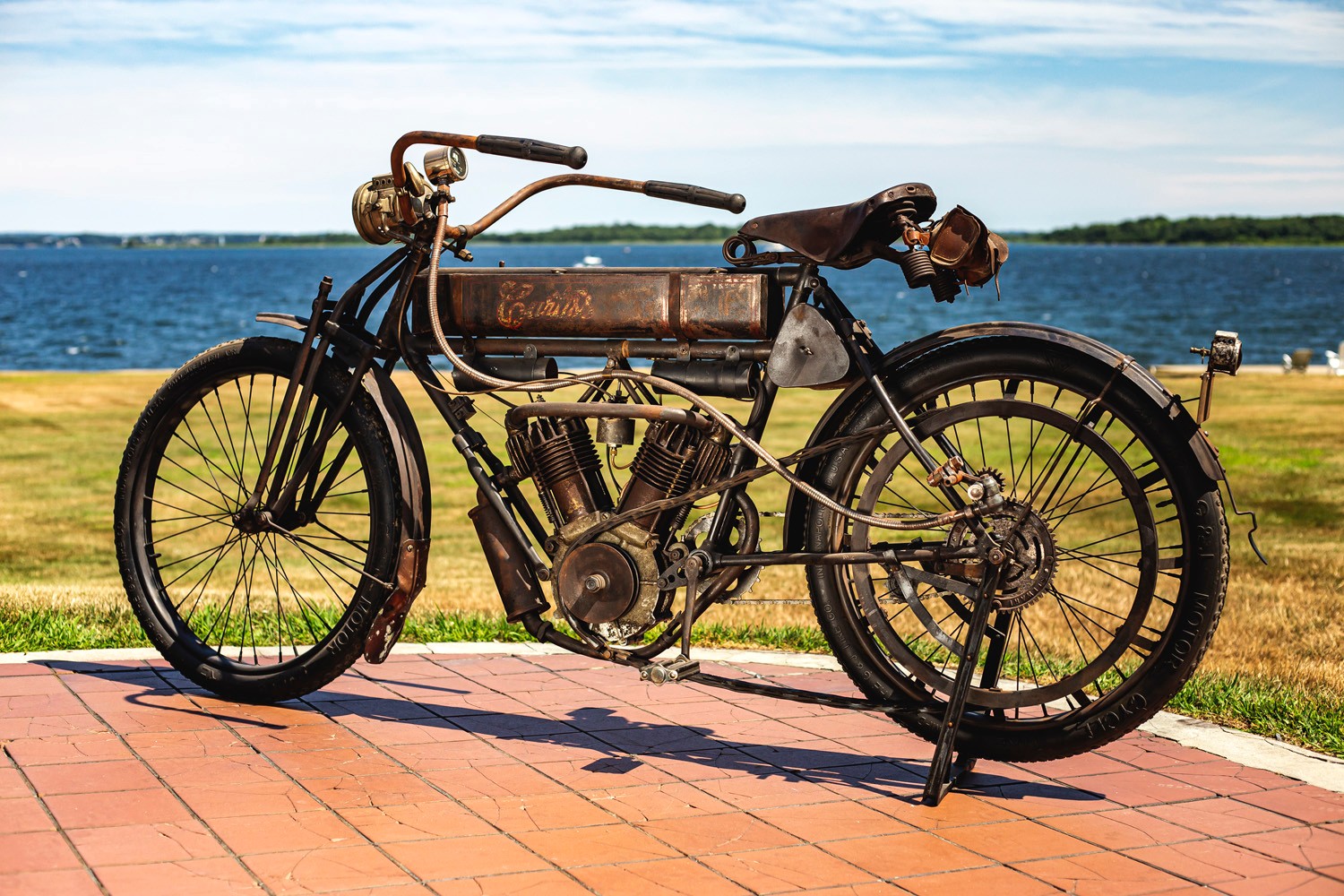
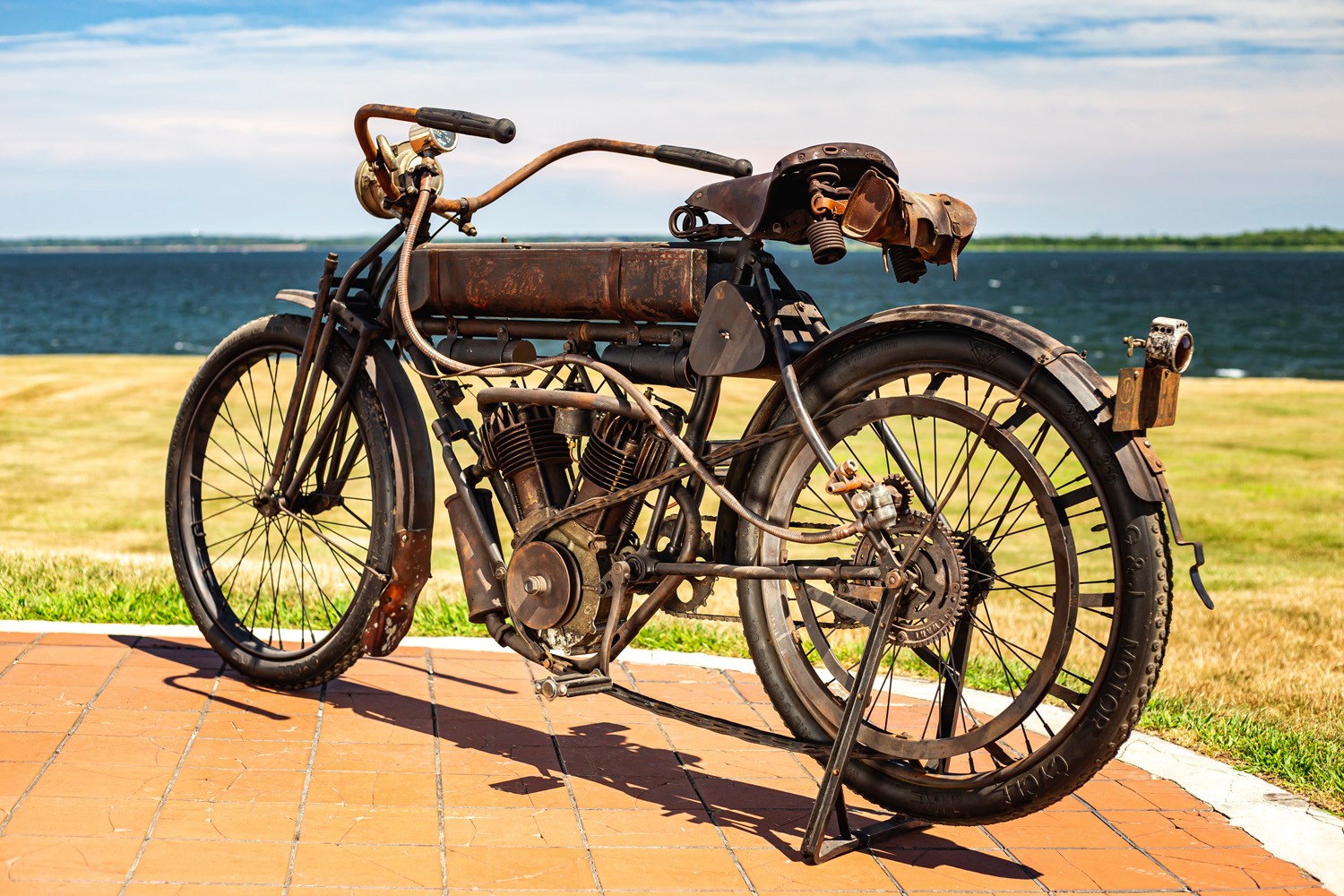
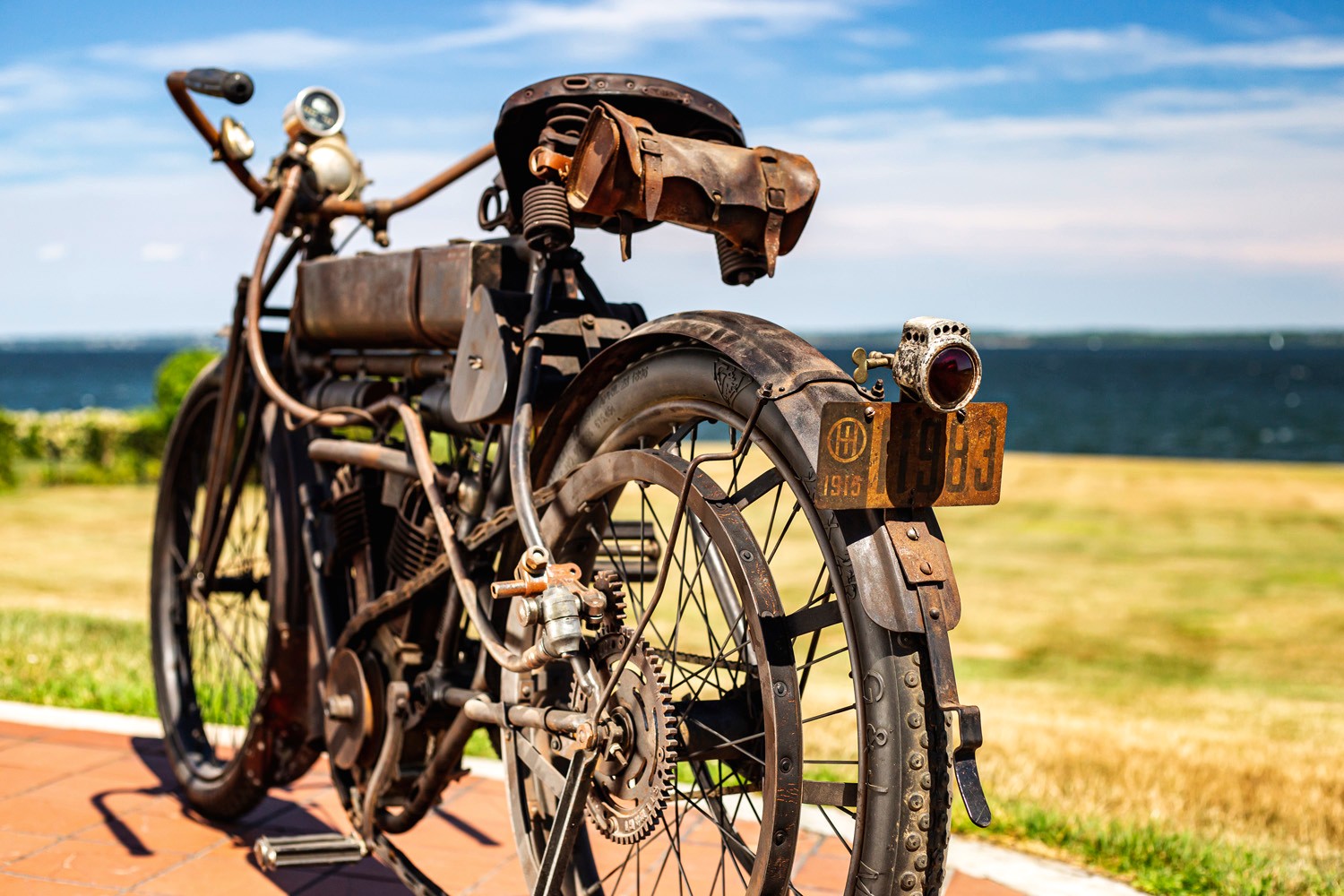
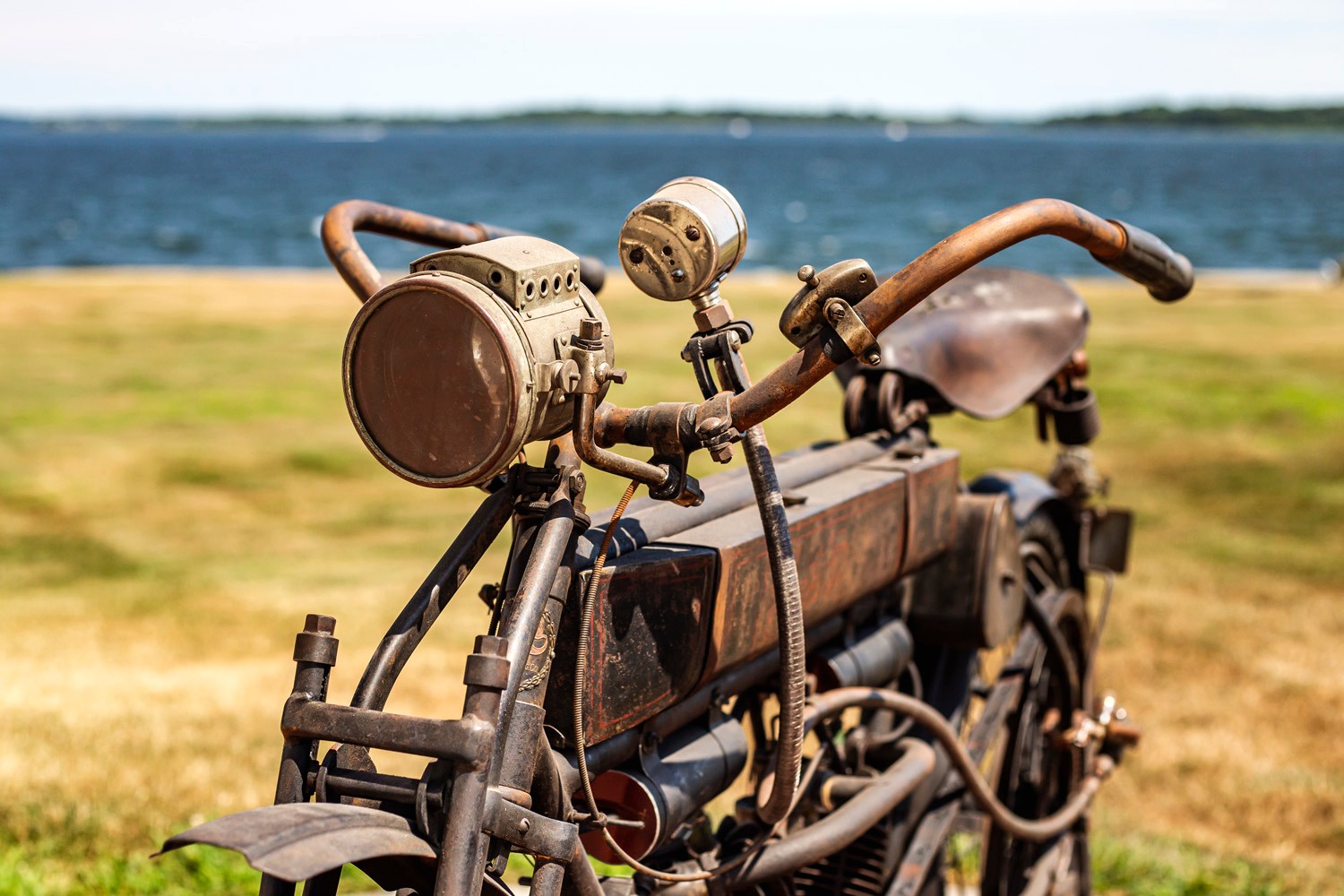
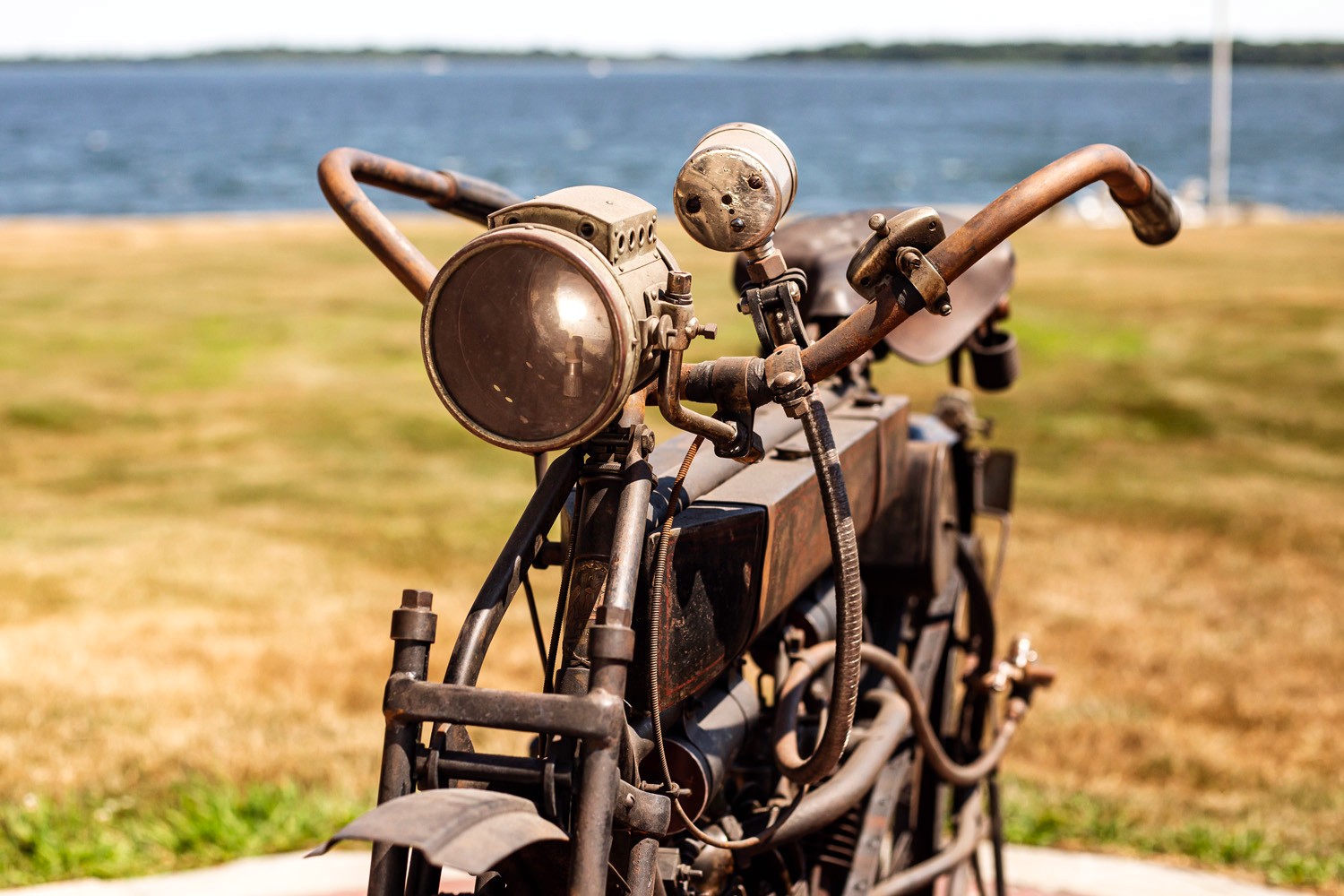
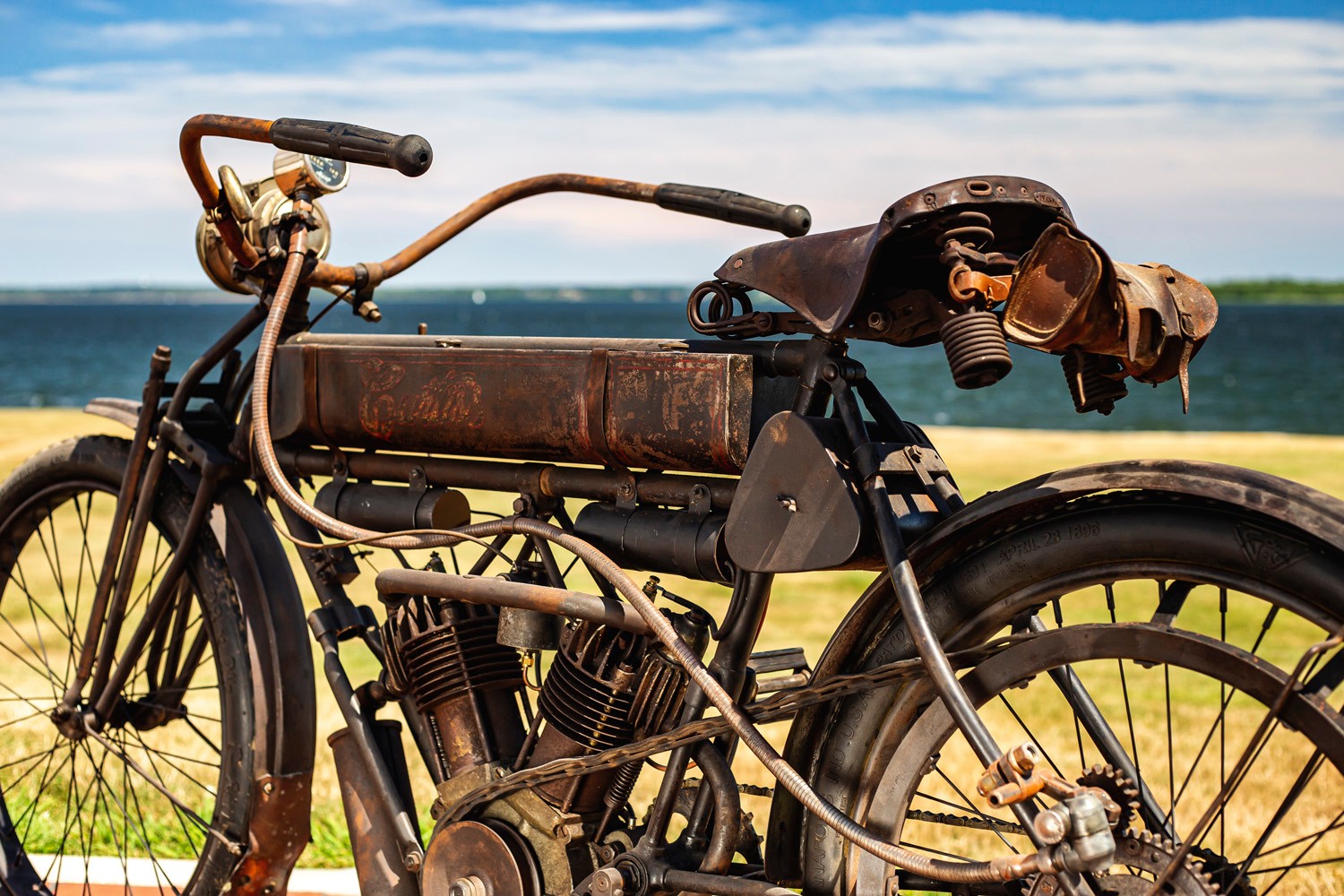
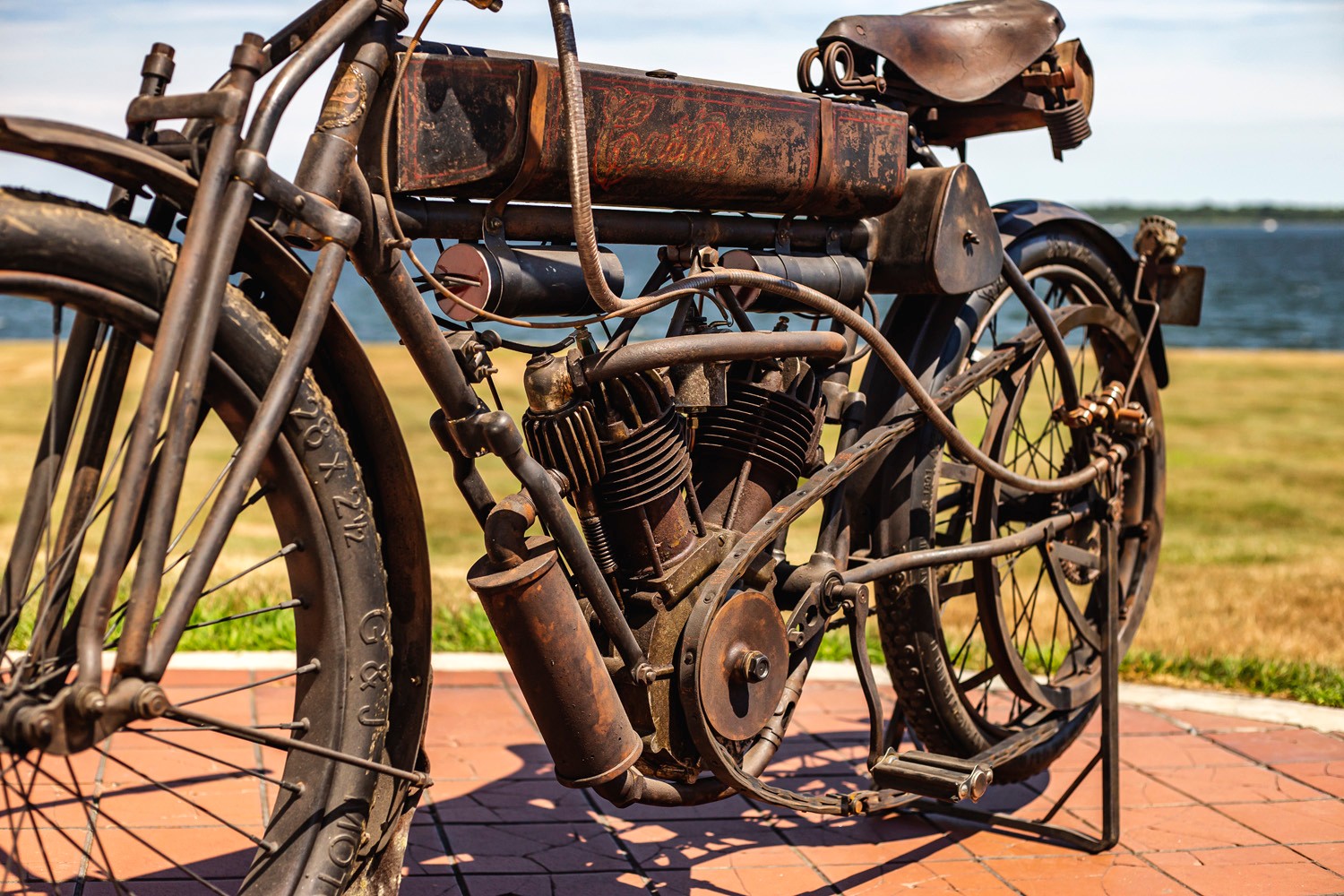
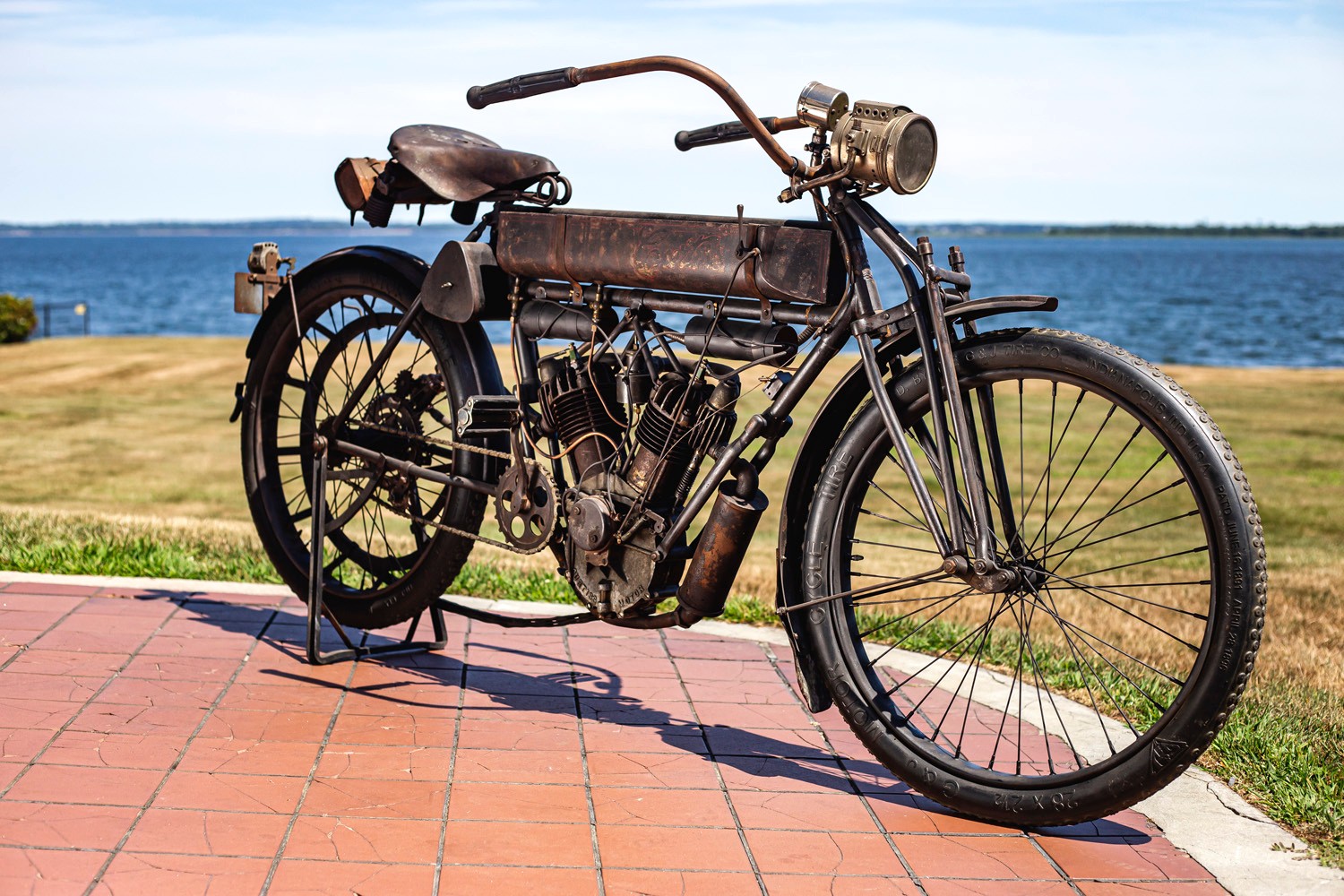
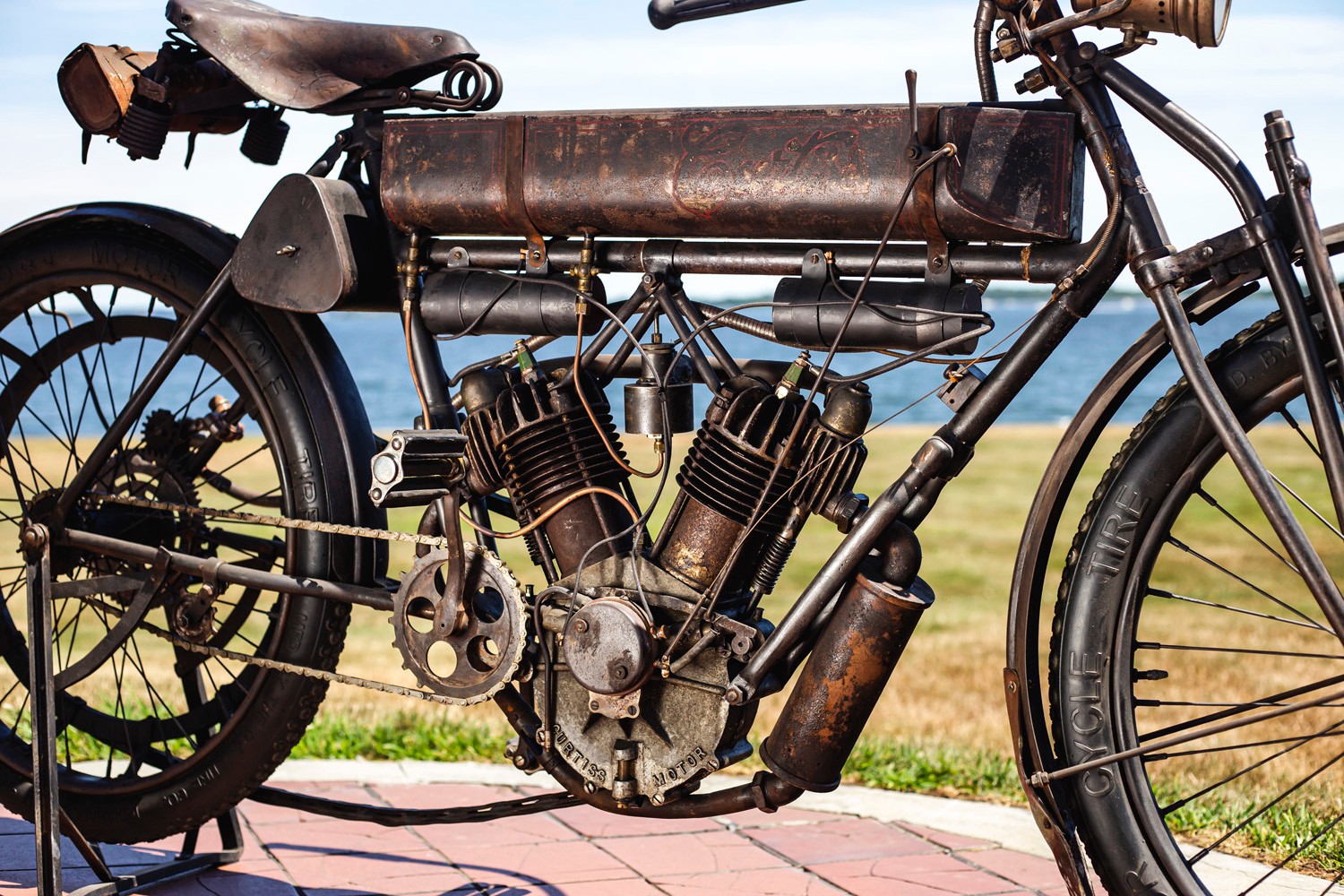
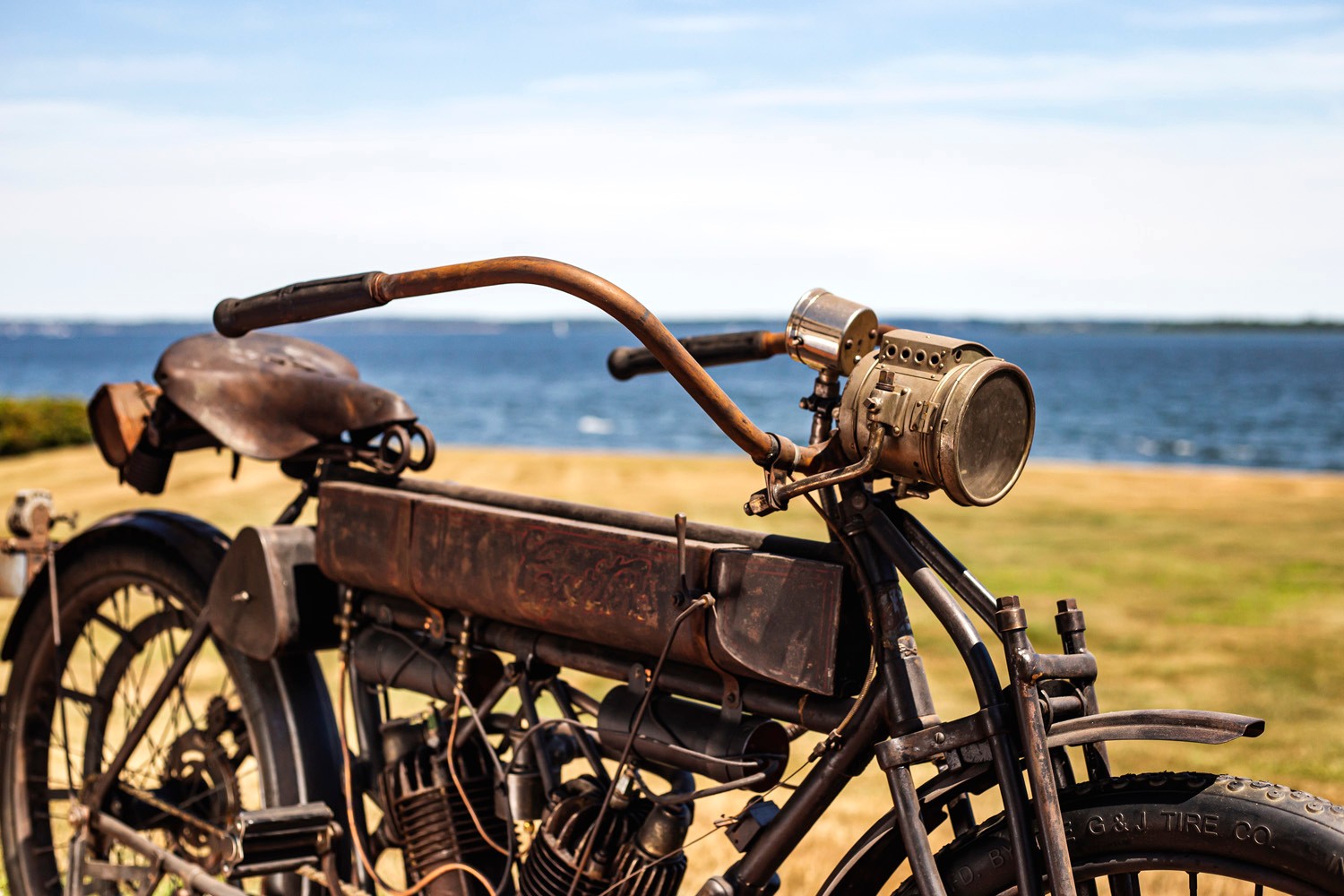
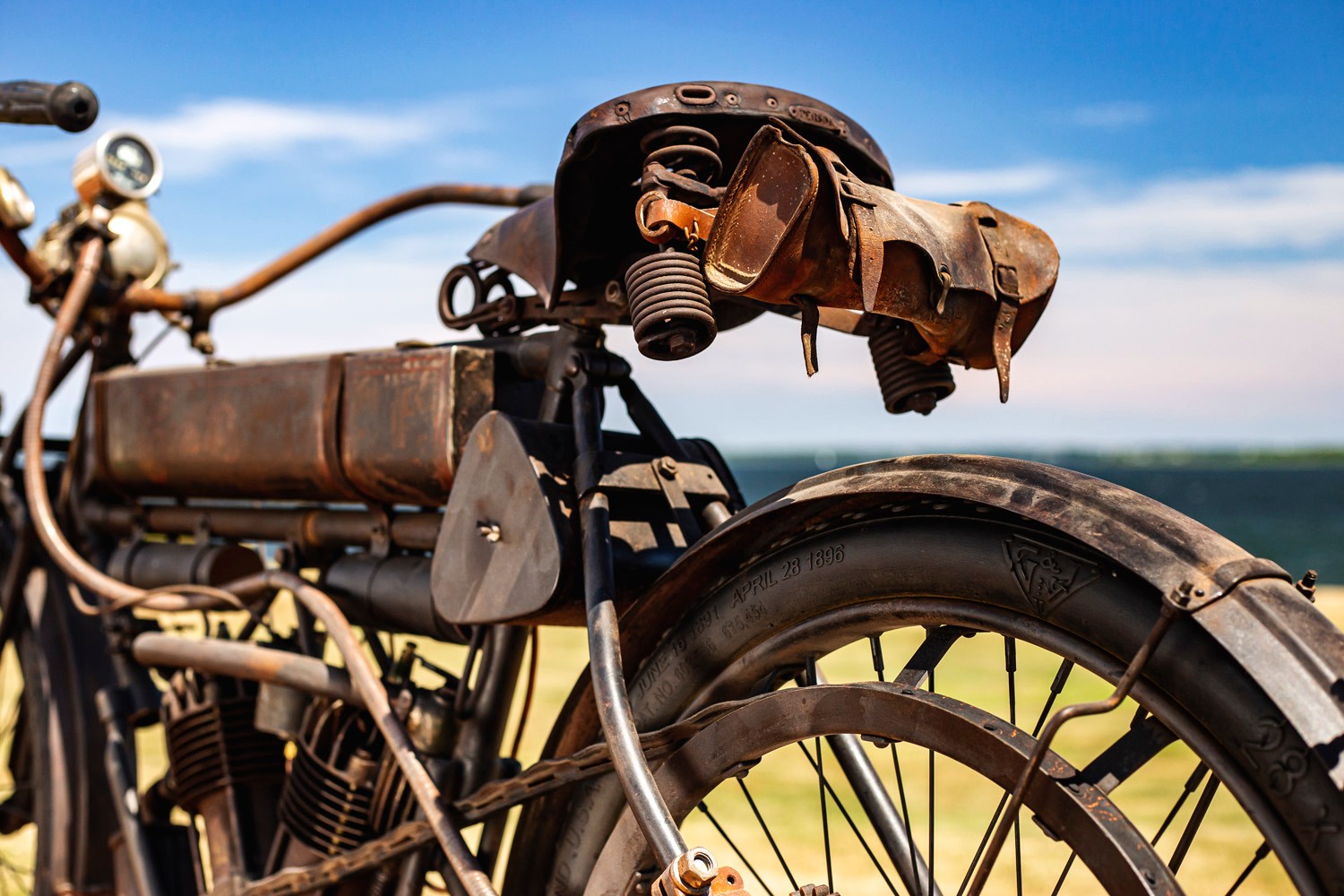
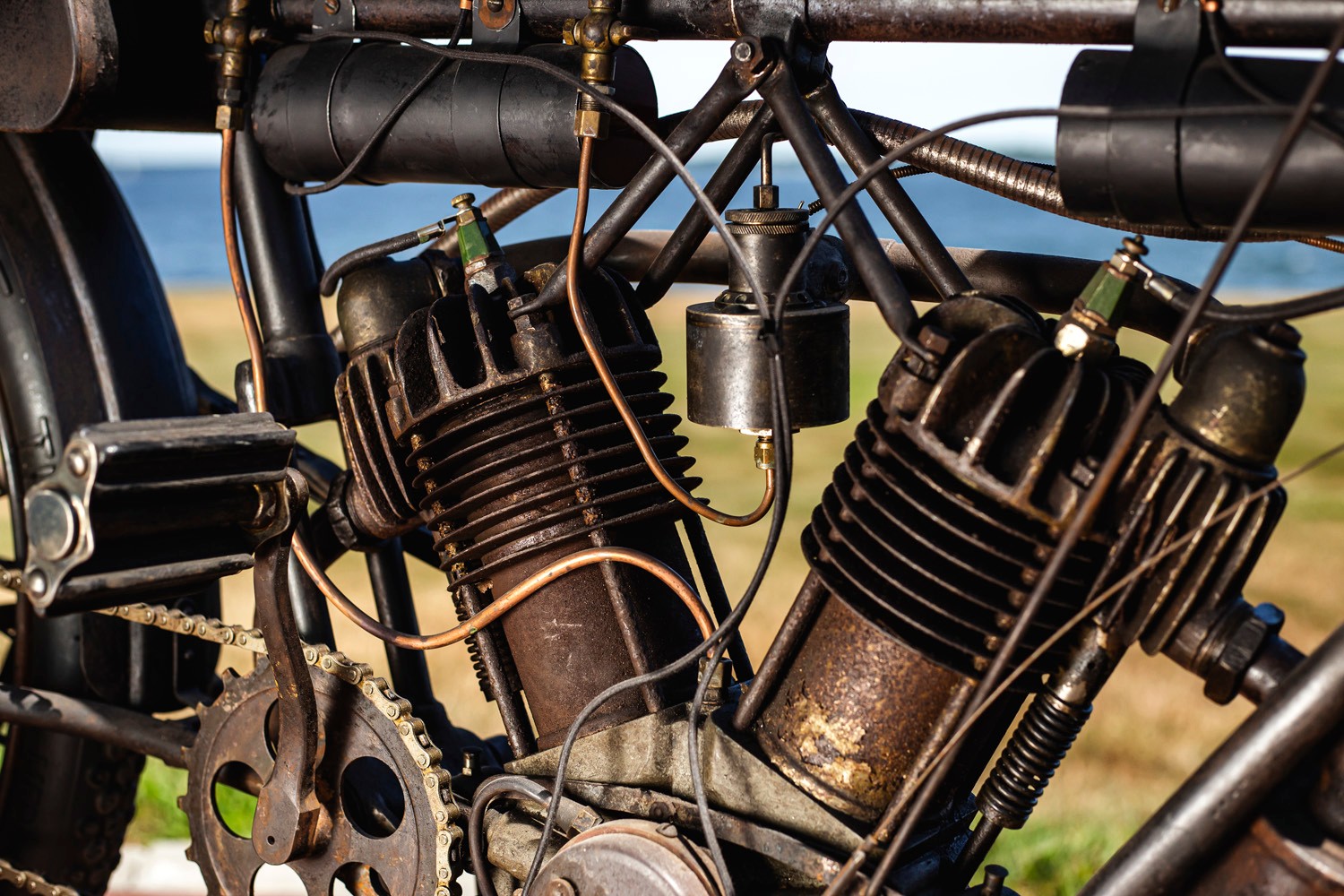
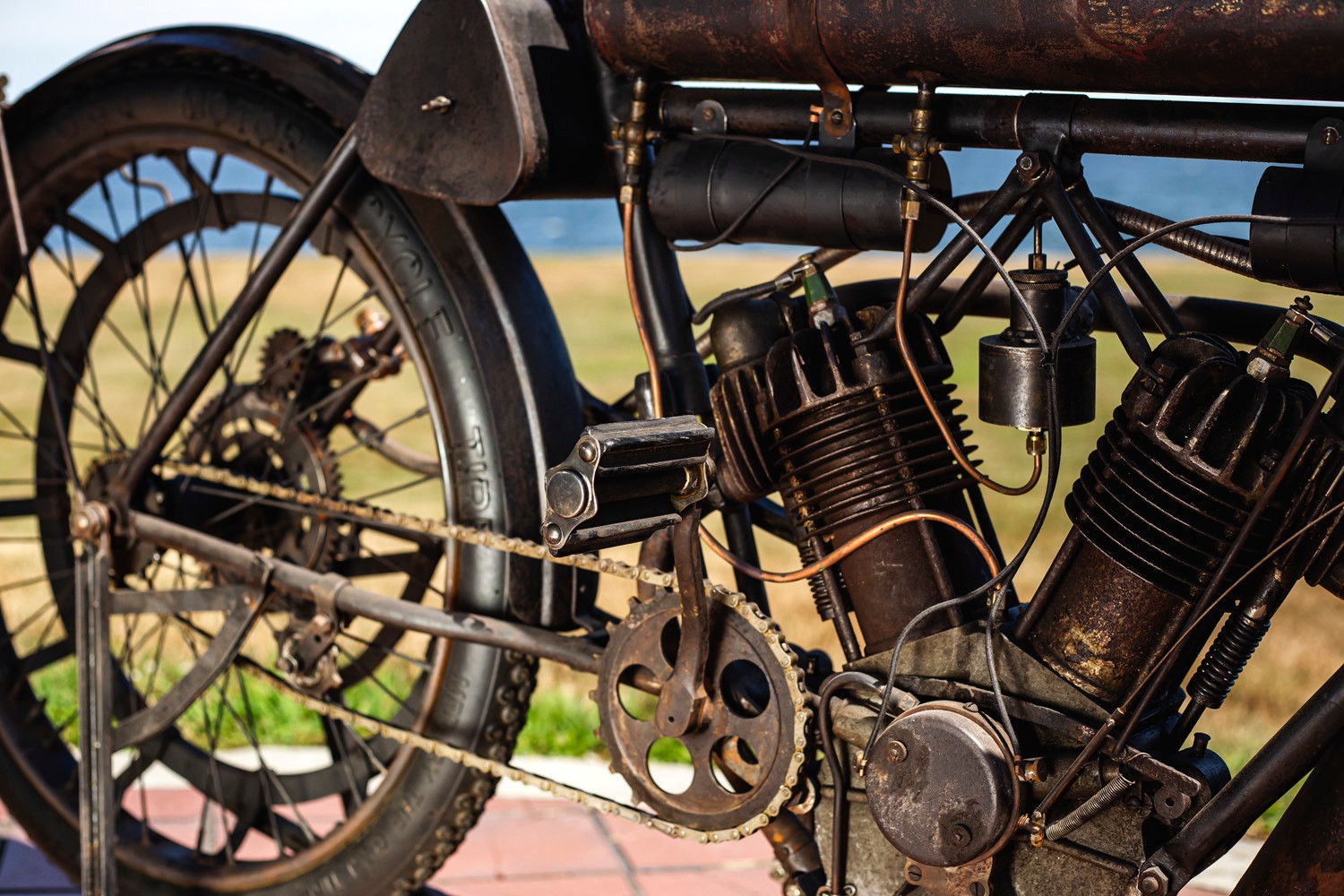
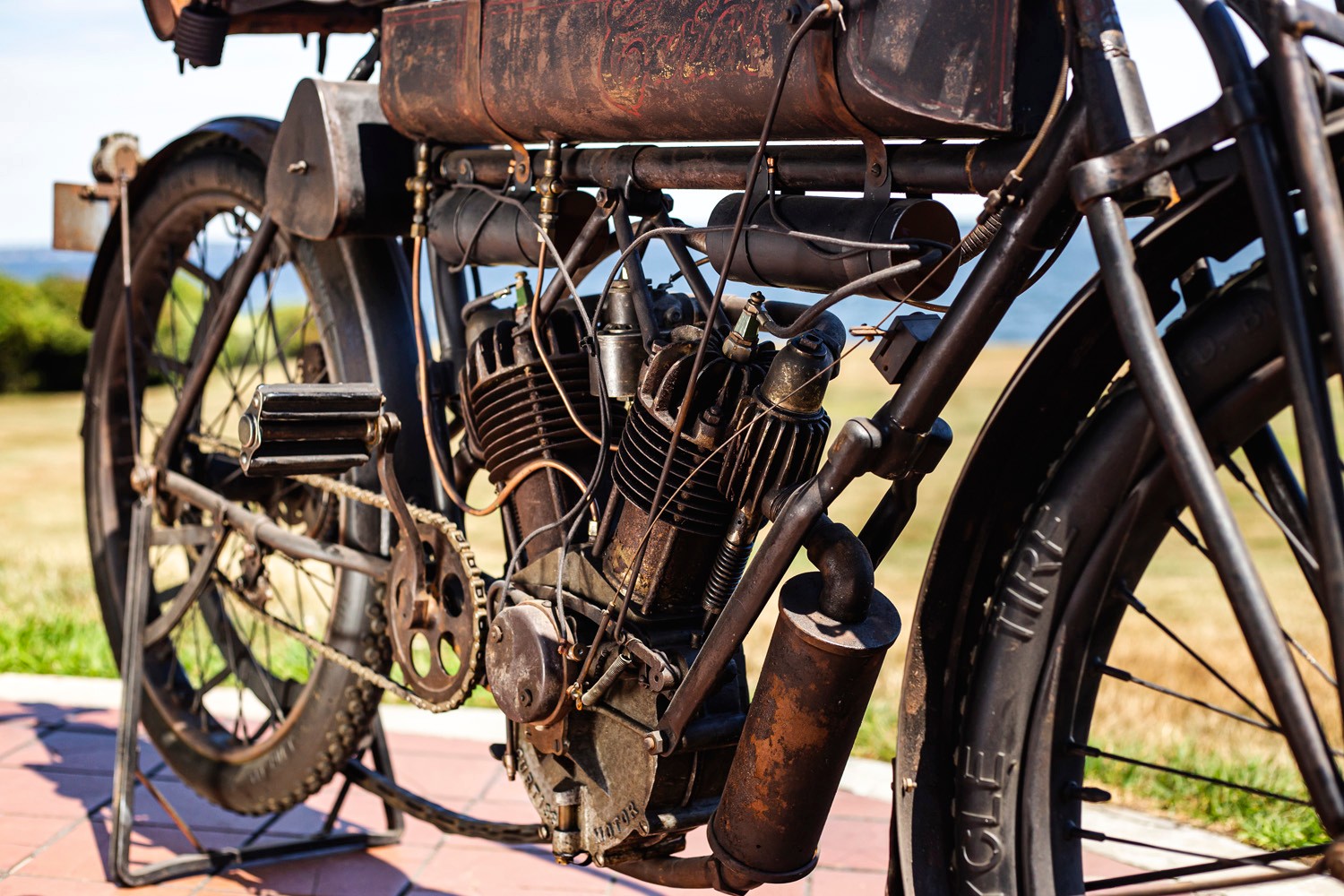
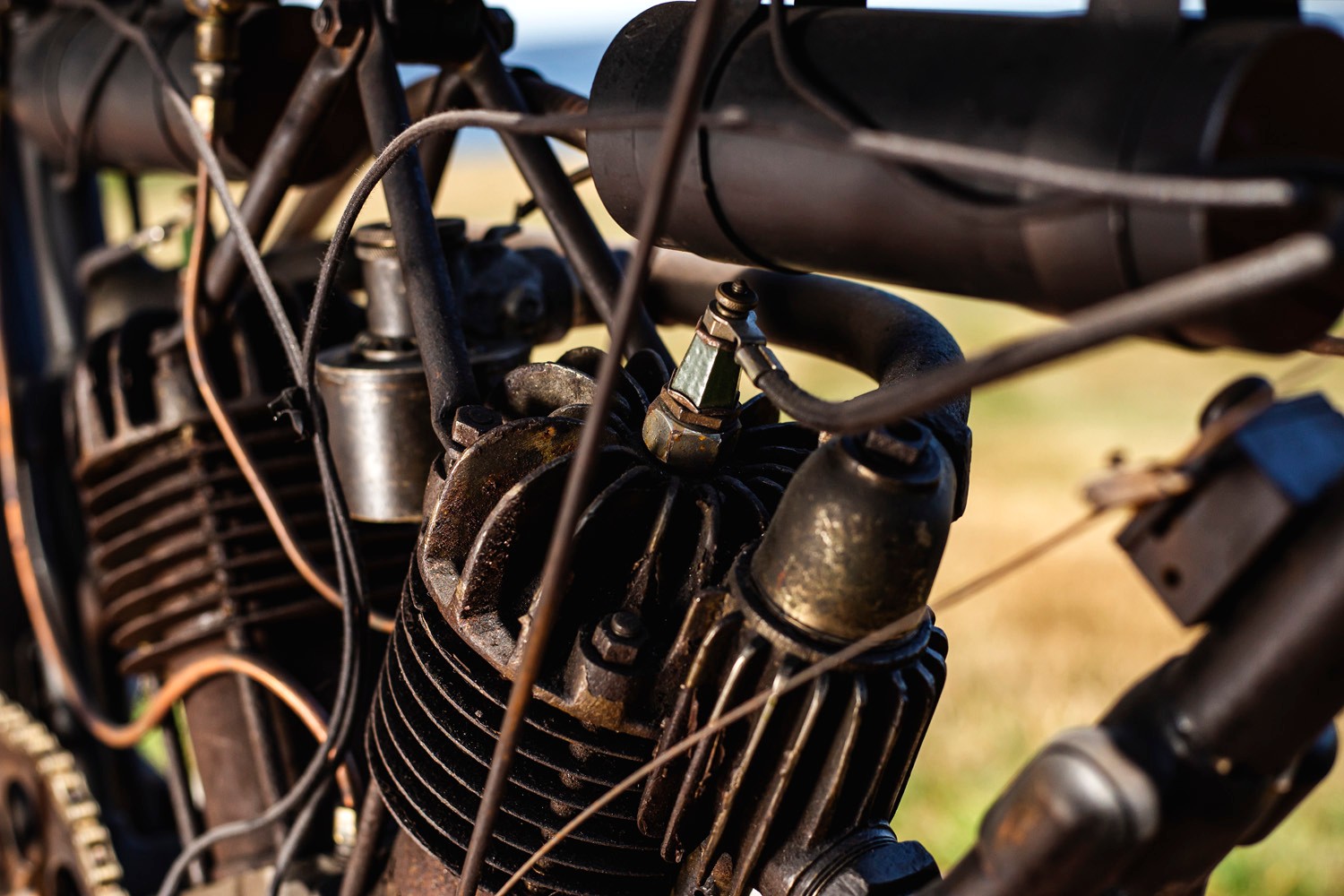
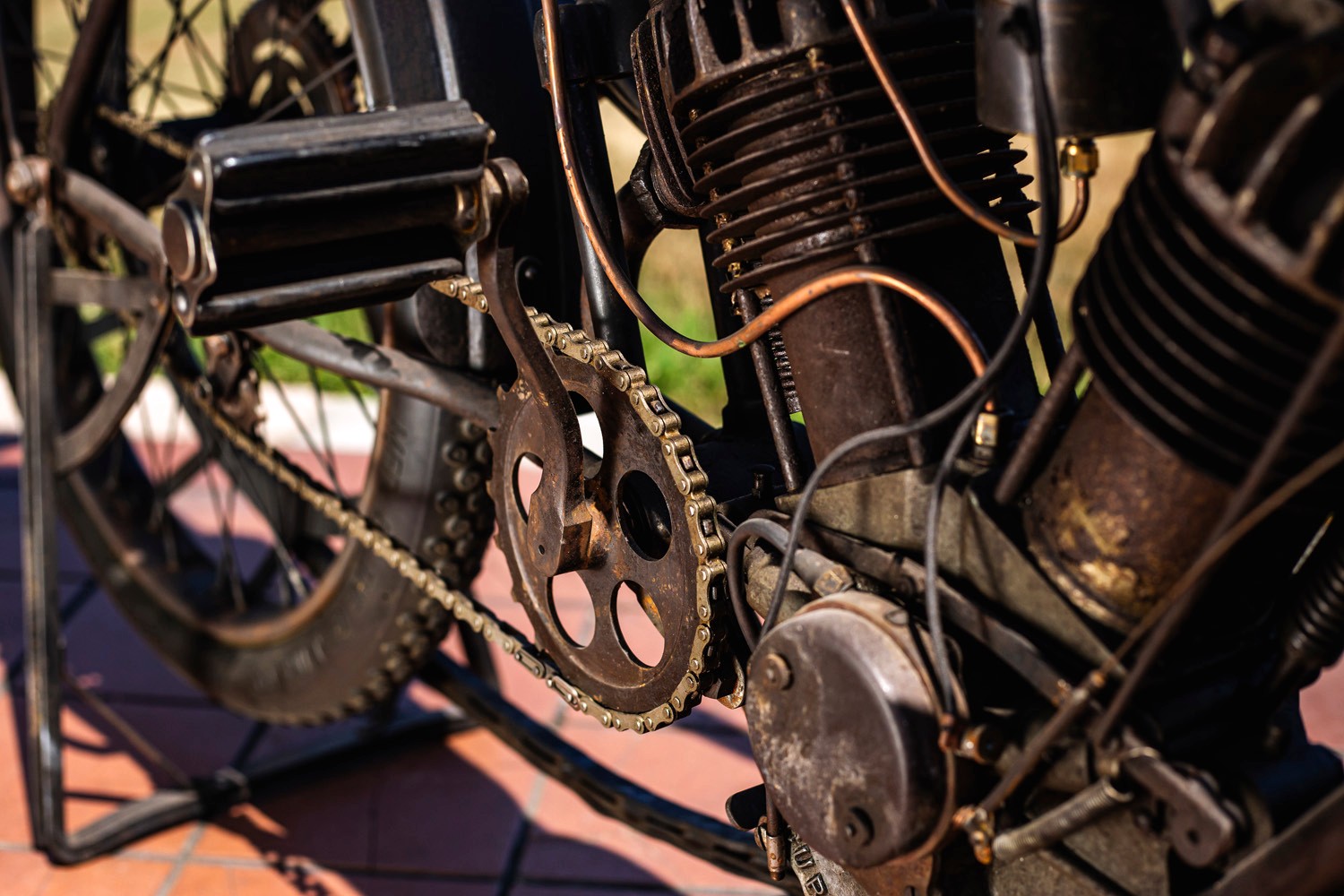
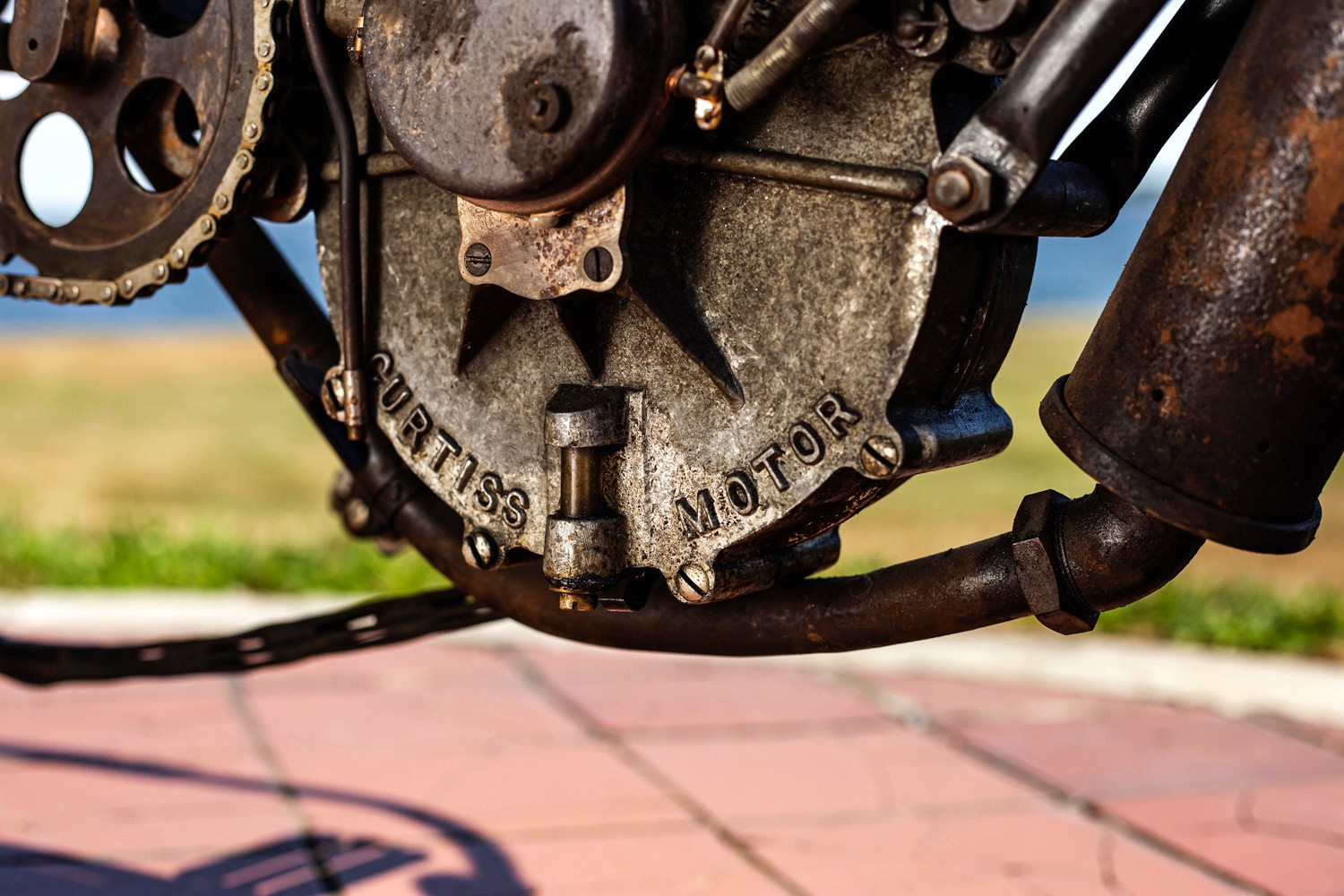
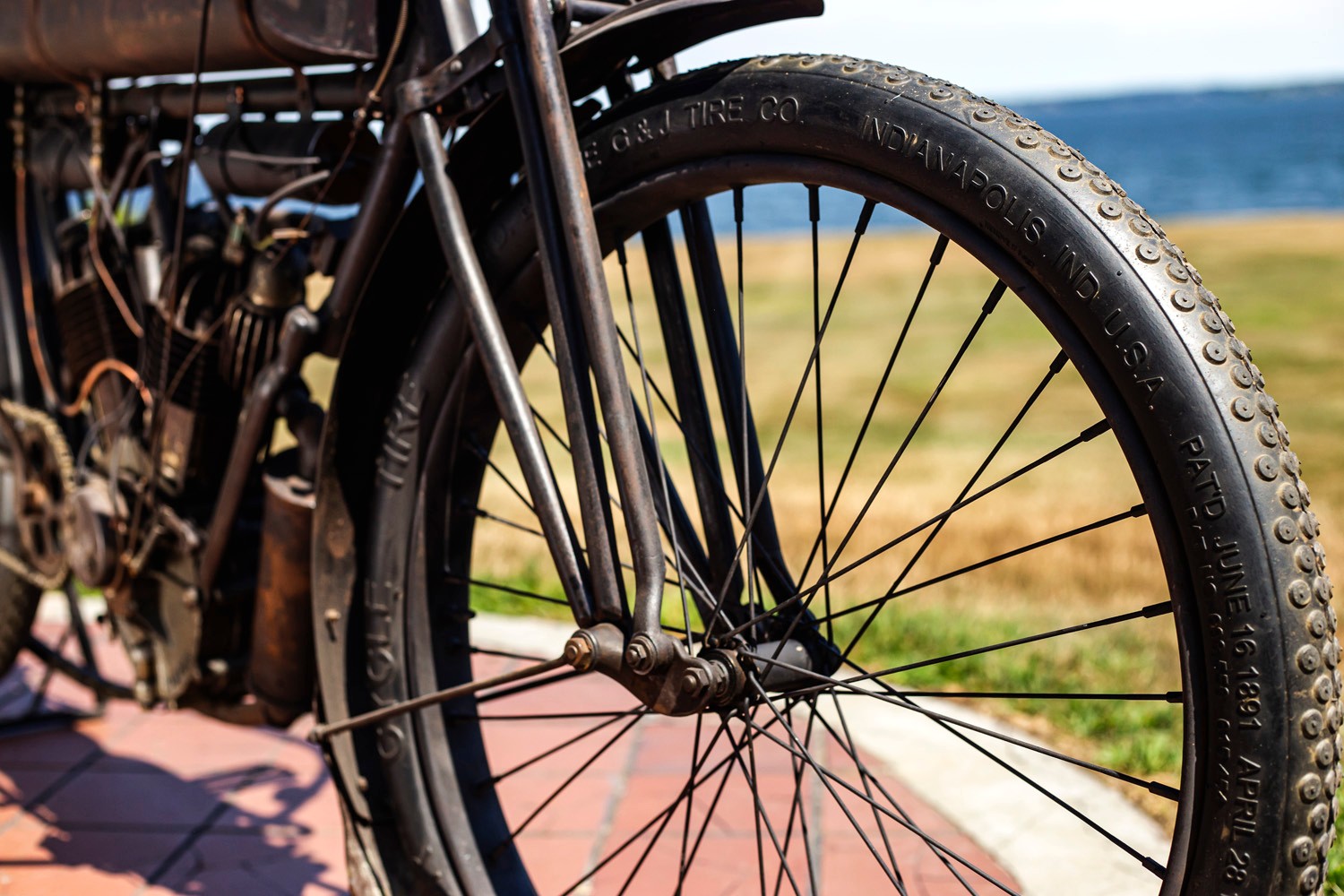
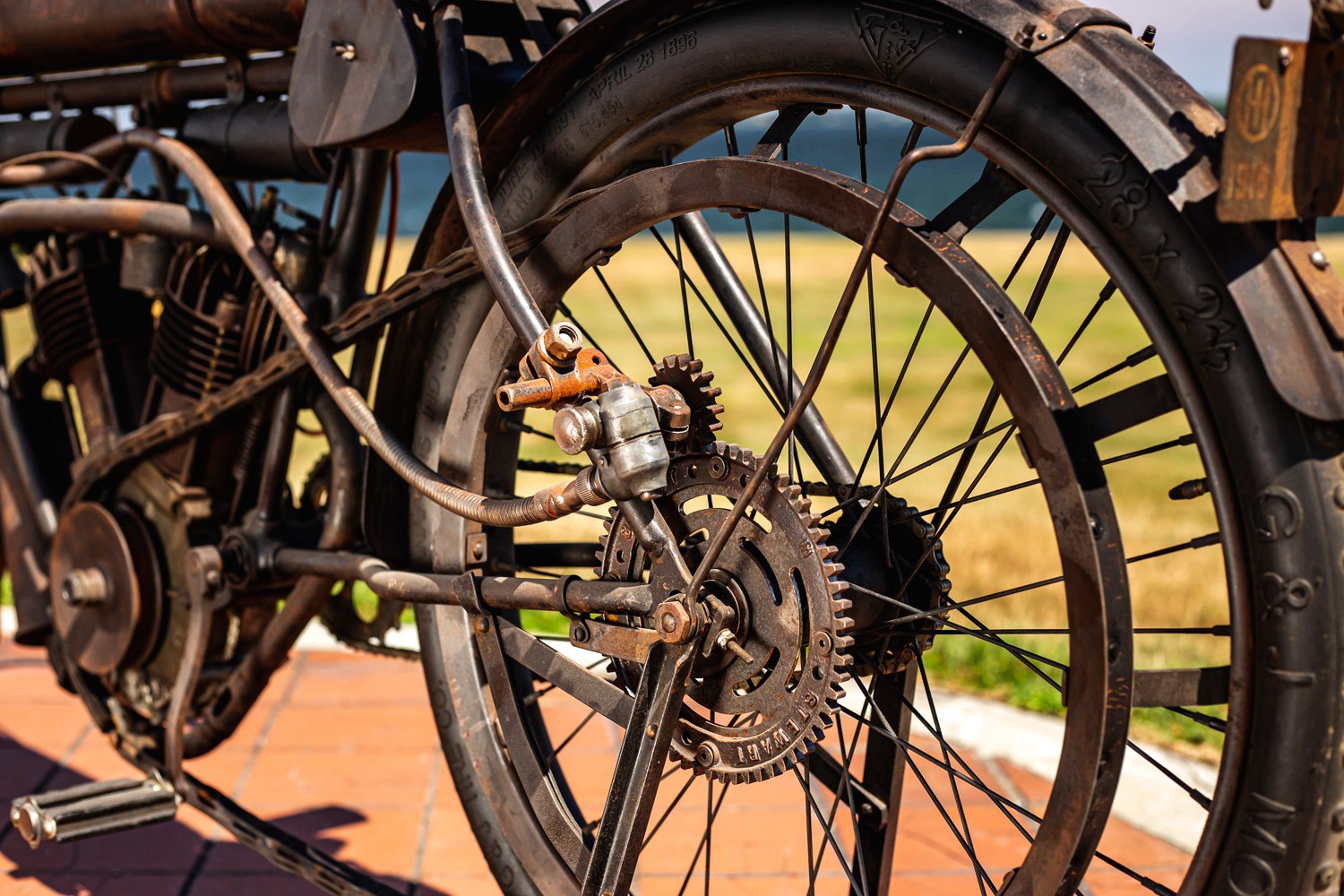
1909 Curtiss V-Twin "Roadster"
Inventory Number: 5006
Price on Request
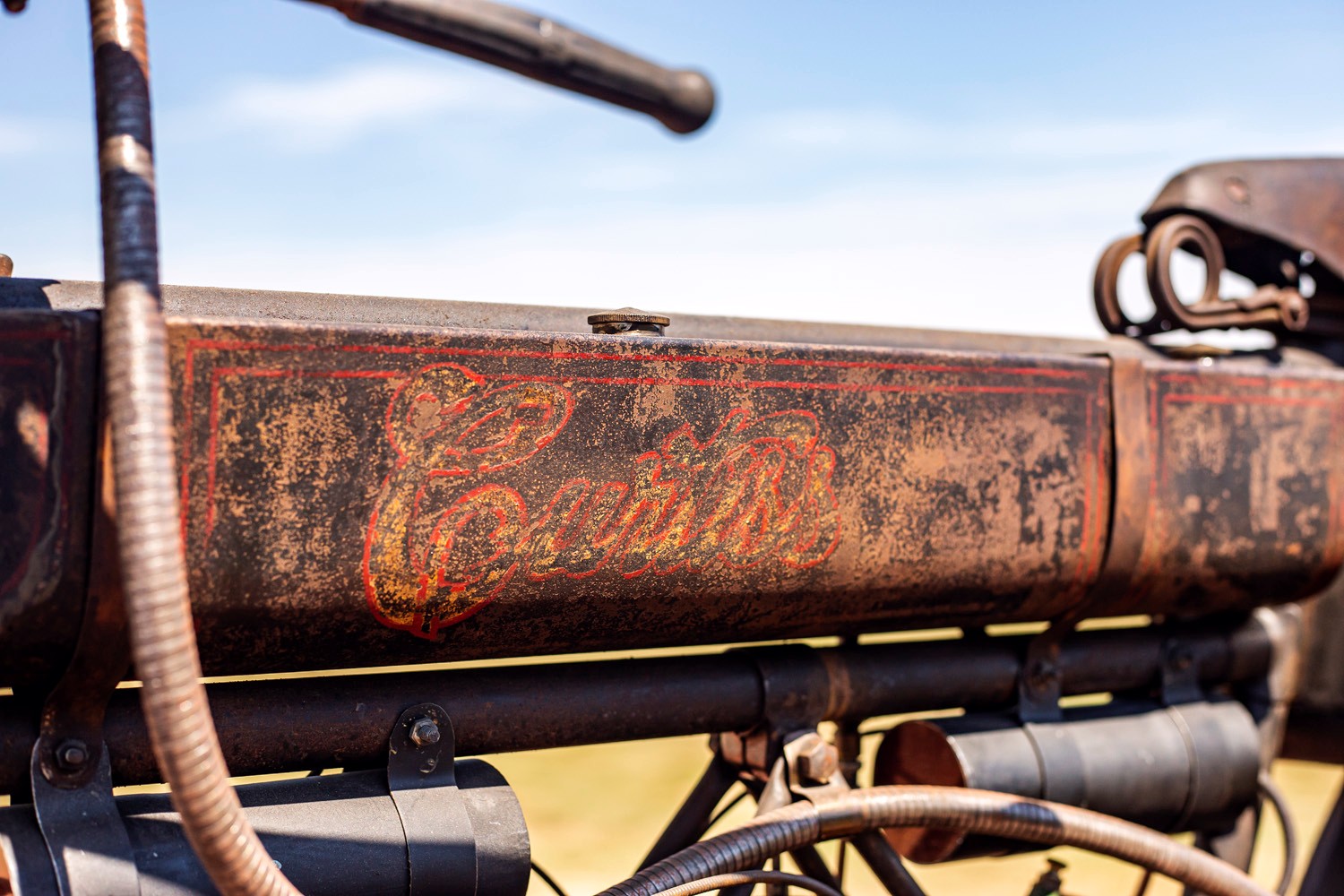
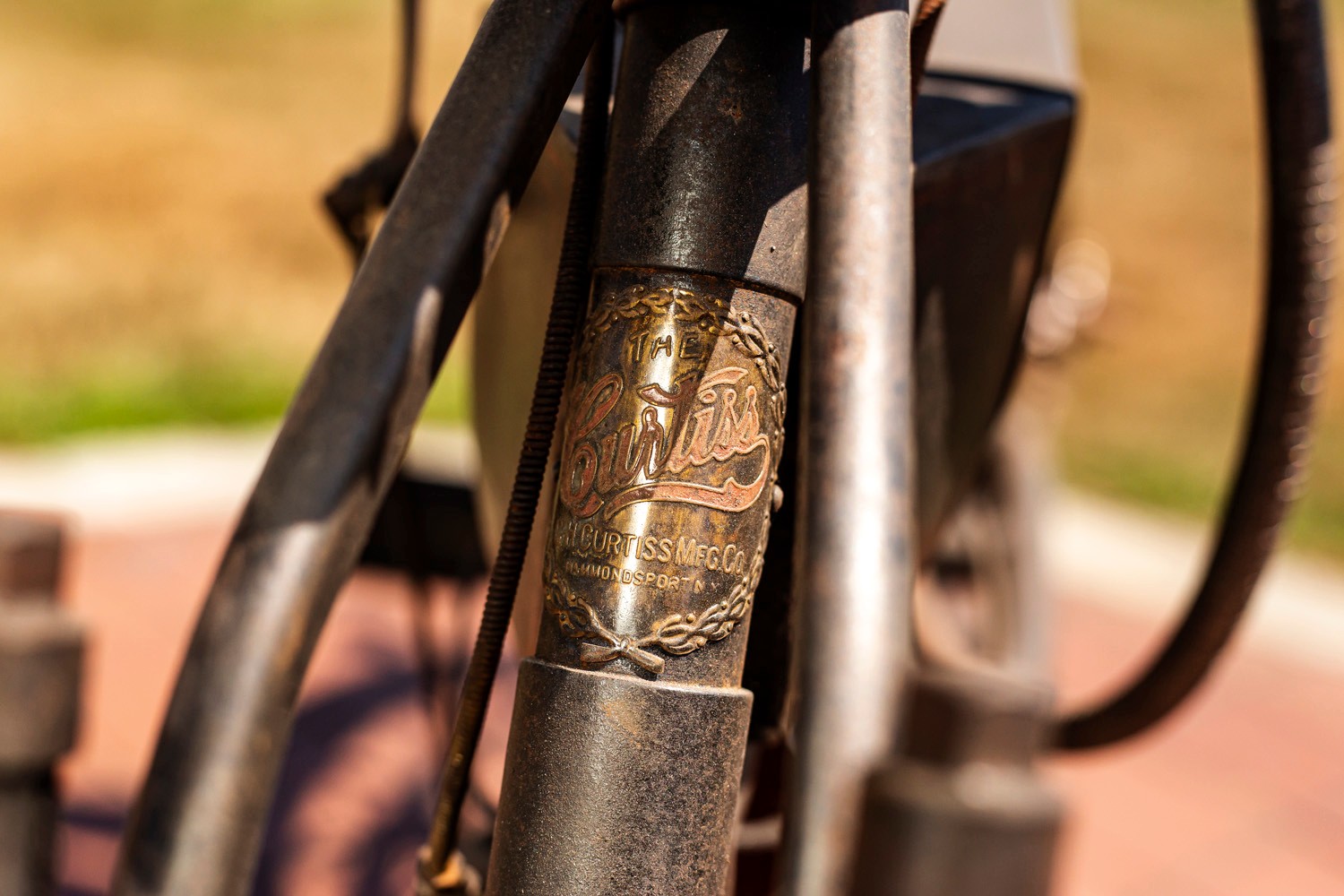
- MANUFACTURER: The G. H. Curtiss Manufacturing Company
- MANUFACTURED: Hammondsport, New York, USA
- YEAR: 1909
- MODEL: Roadster
- ENGINE: 54 cu. in. V-twin, air-cooled
- HP: 6
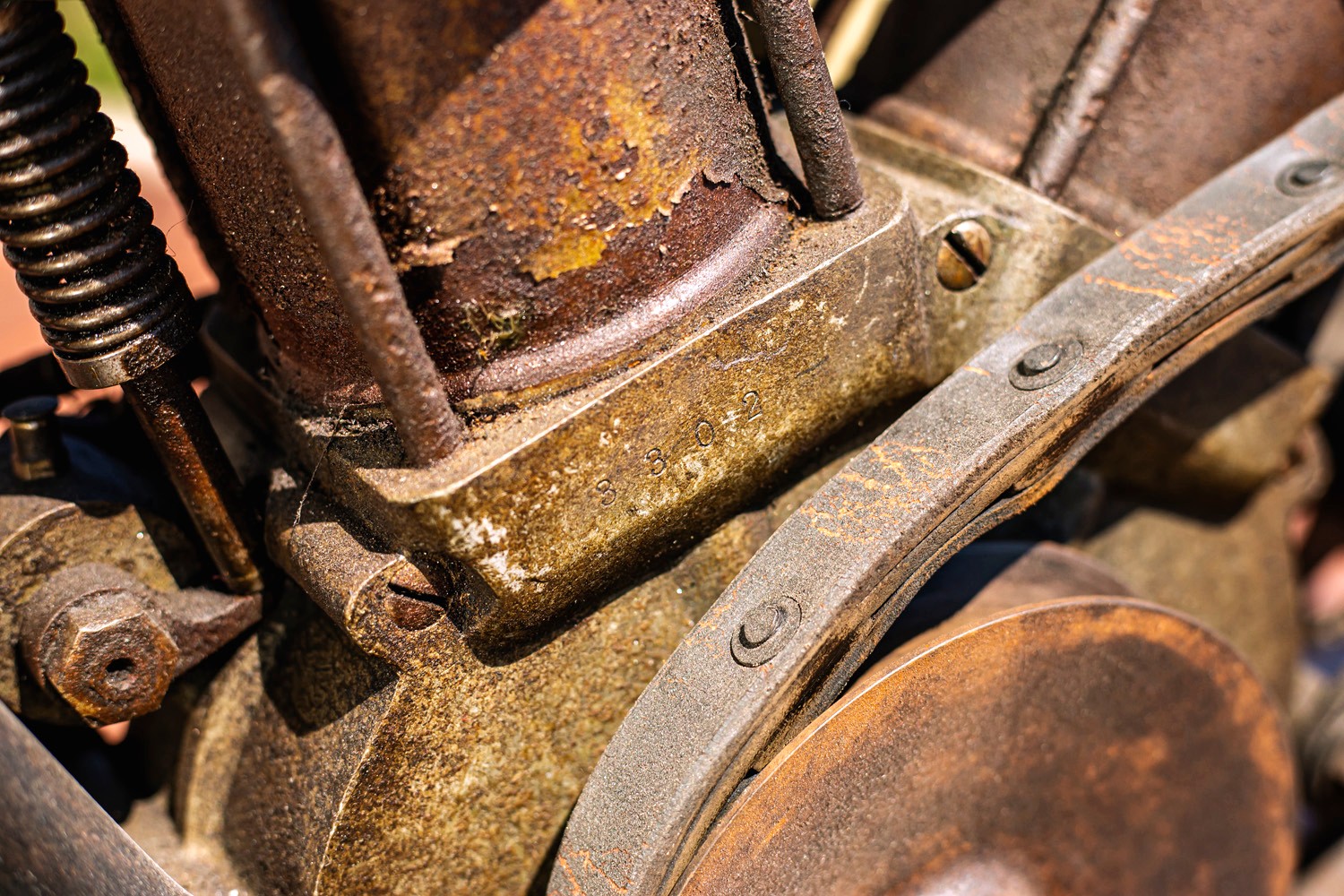
- ENGINE NO: 3302
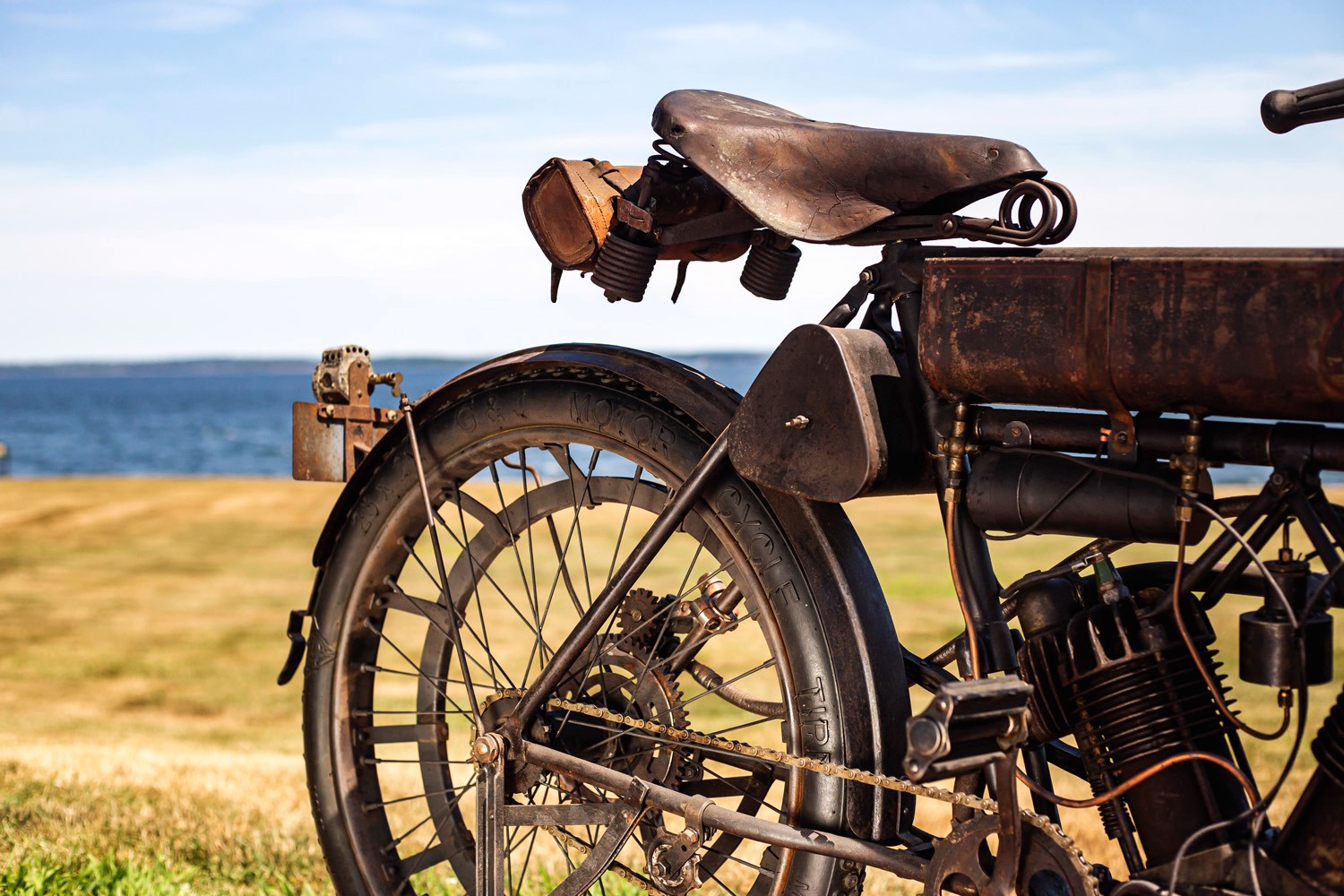
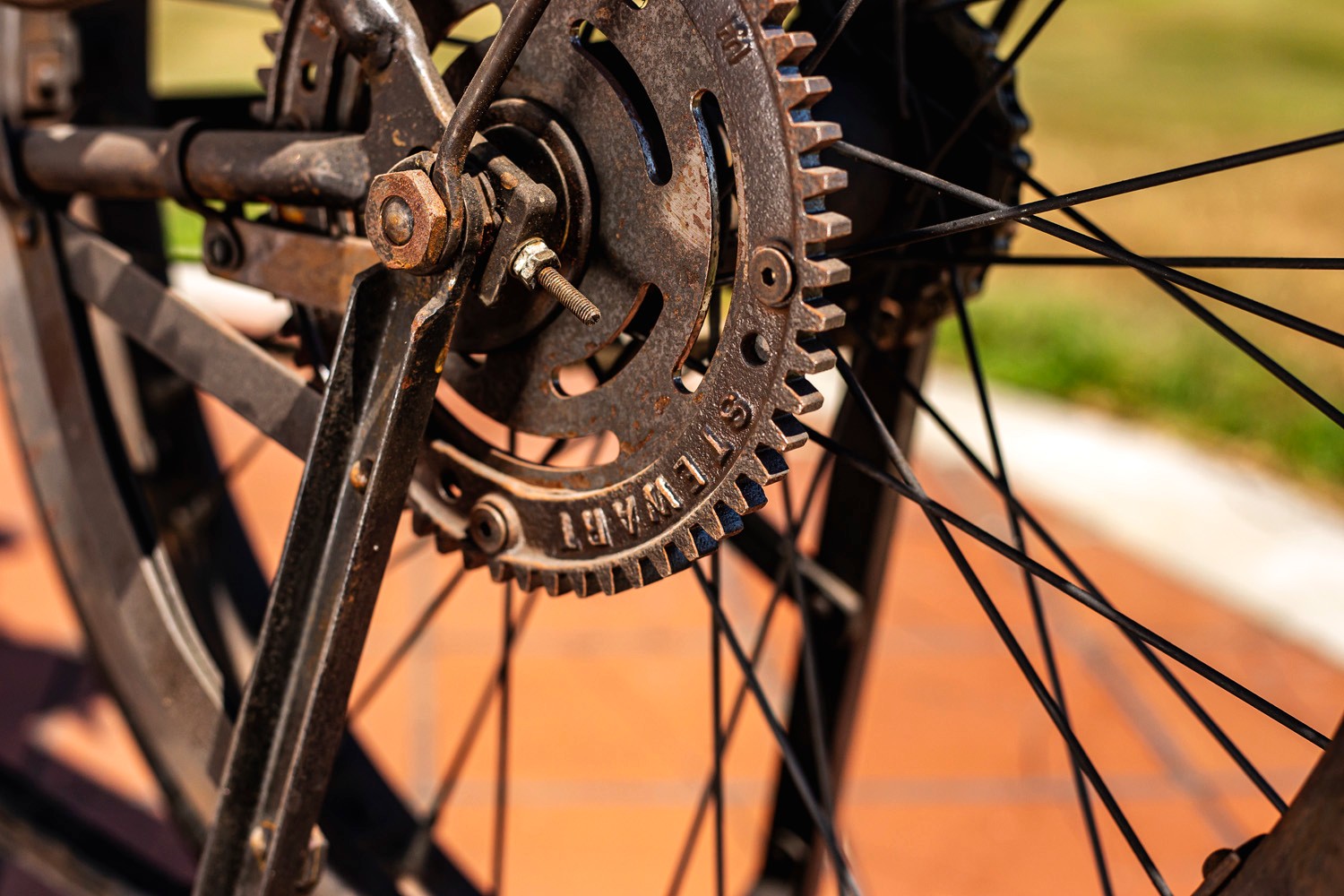
- TRANSMISSION: Belt Drive
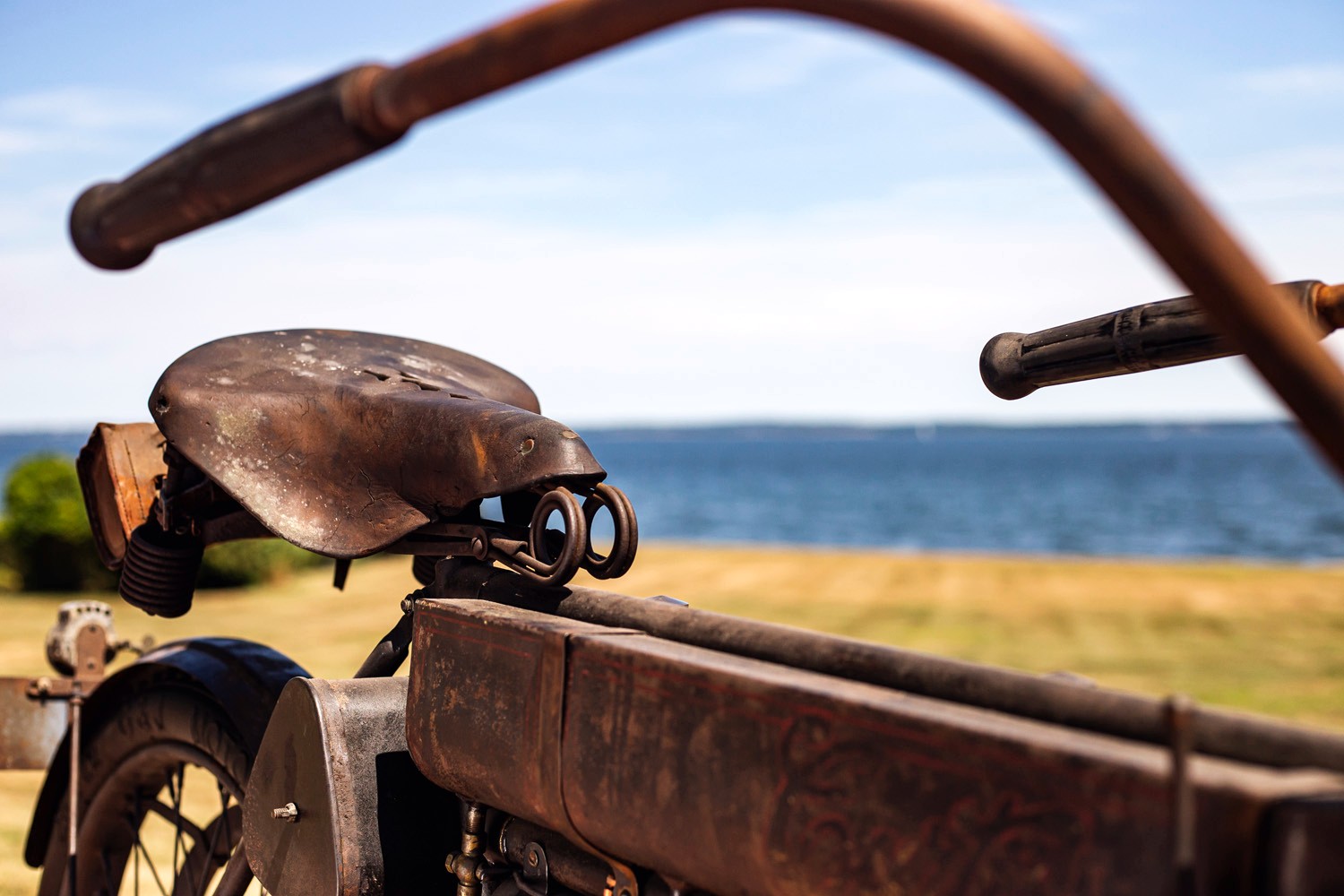
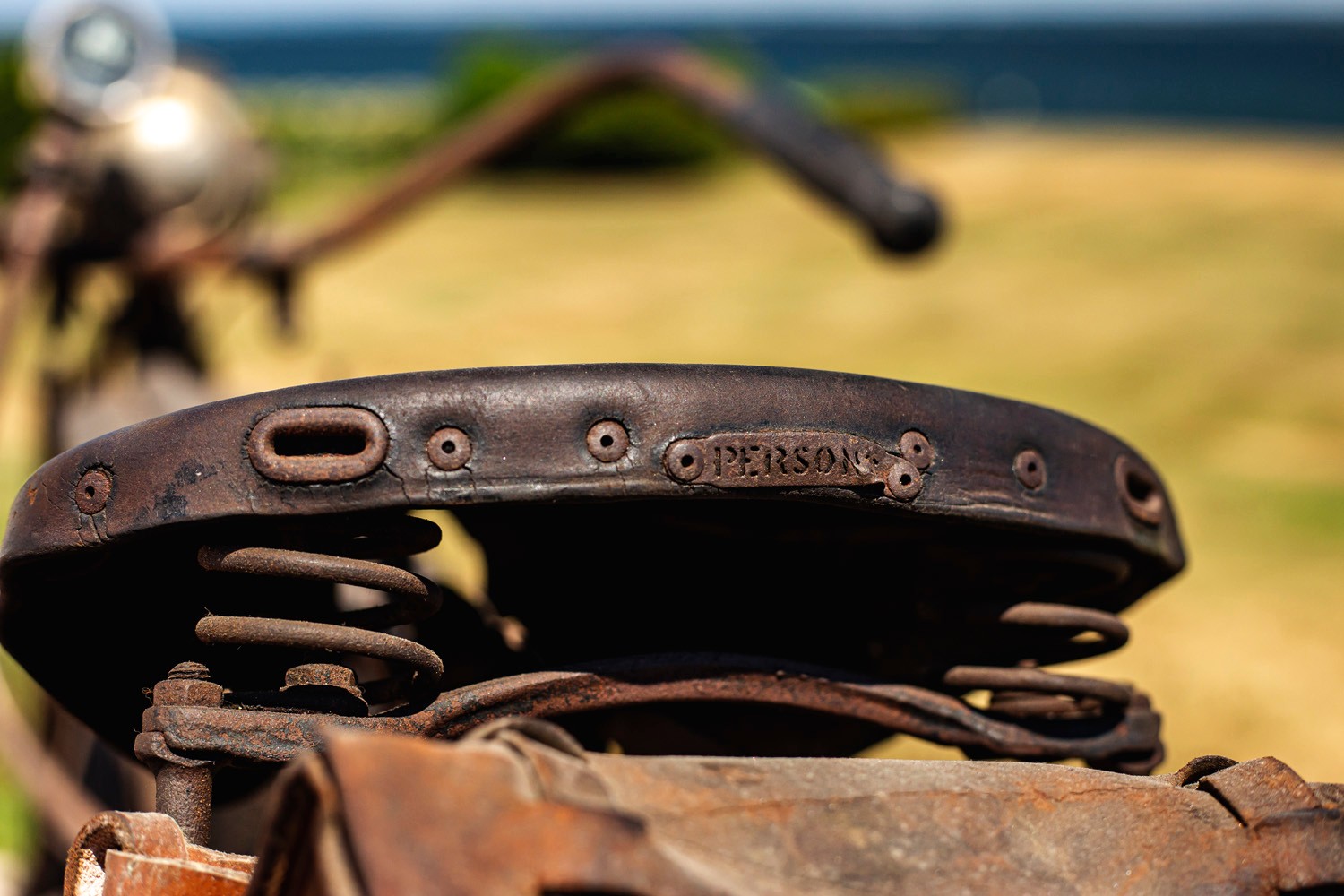
- SEAT: Persons Manufacturing Co. of Worcester, Massachusetts
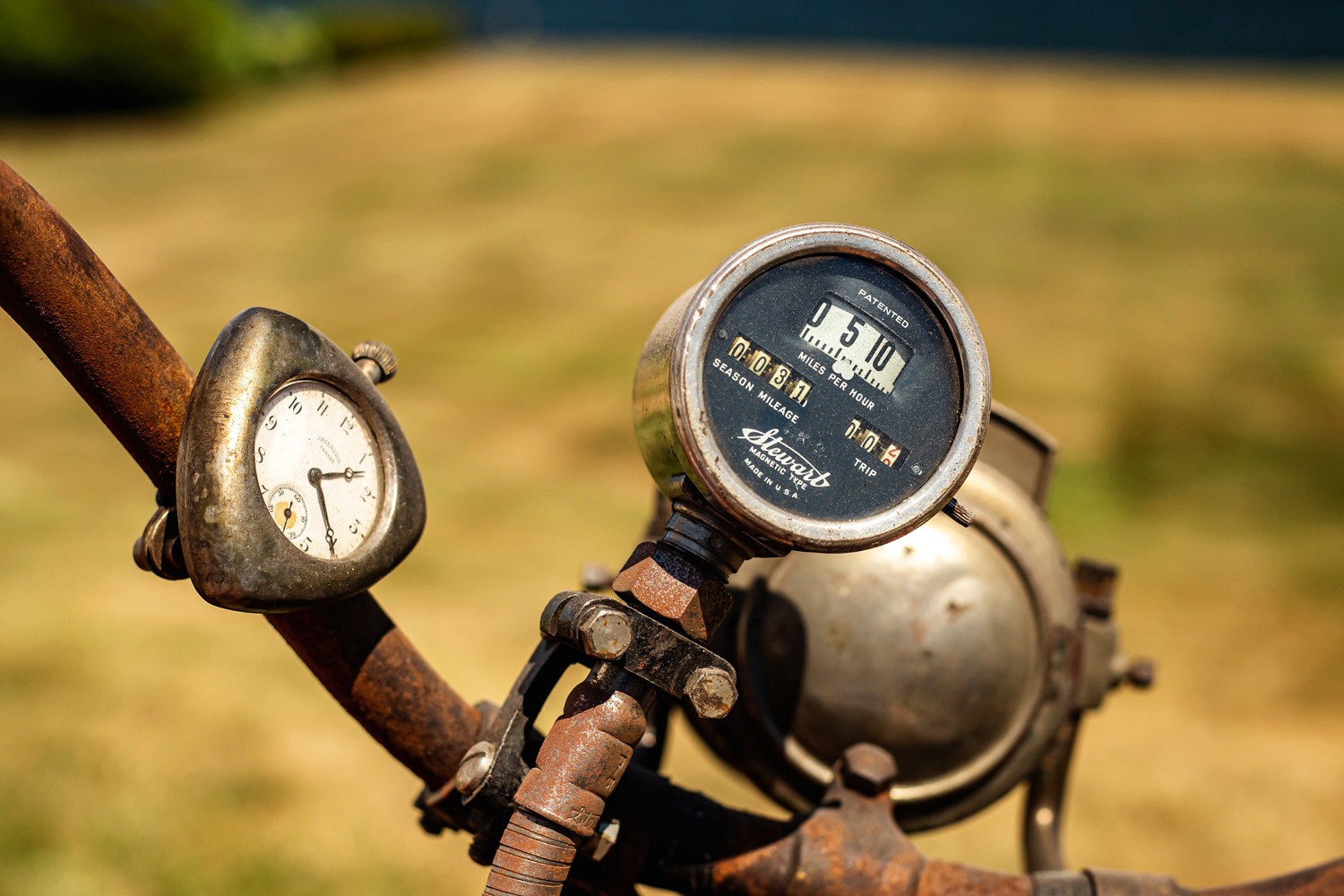
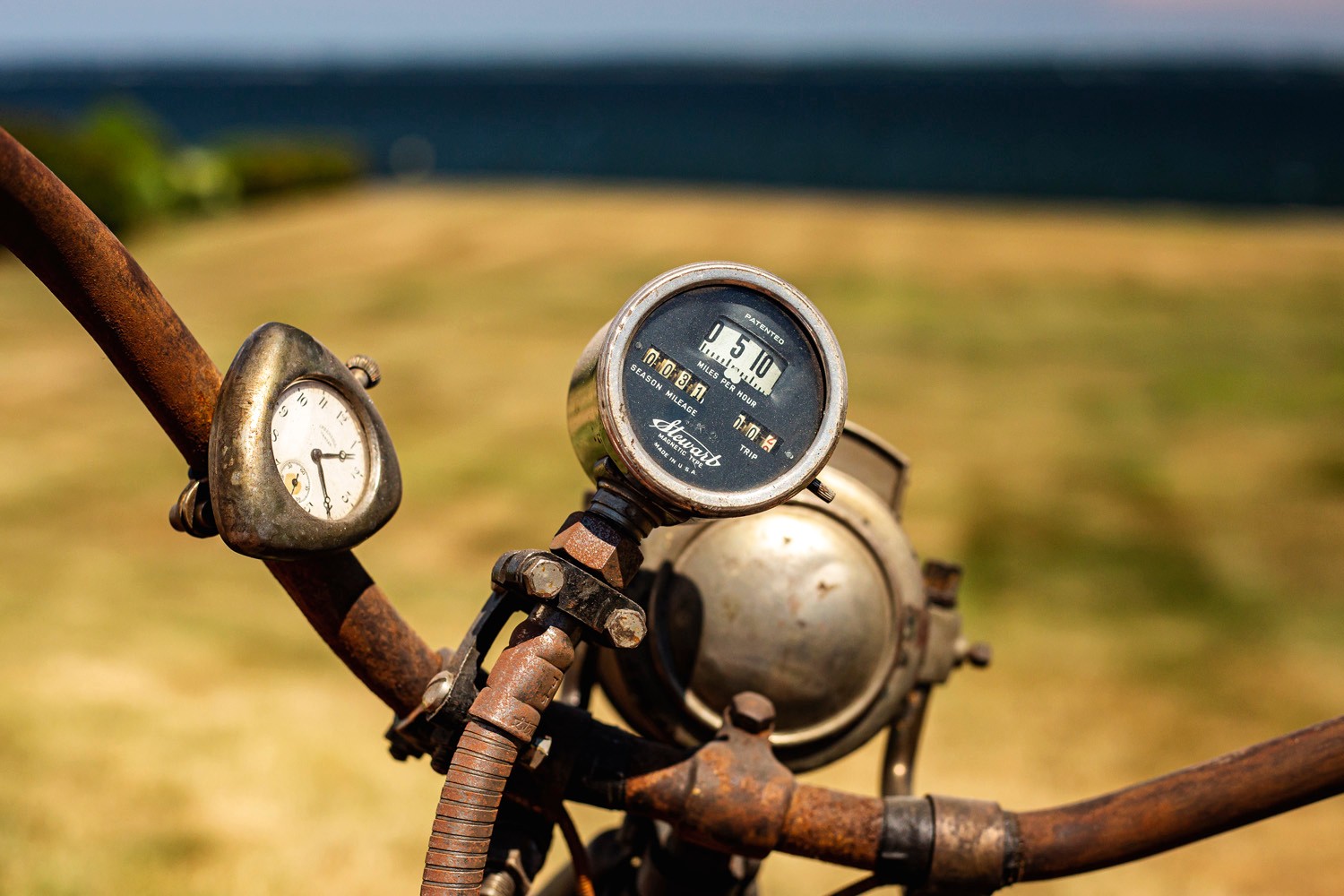
- SPEEDOMETER/ODOMETER: Stewart Magnetic Type
- CLOCK: Ingersoll Watch Company, Yankee Model
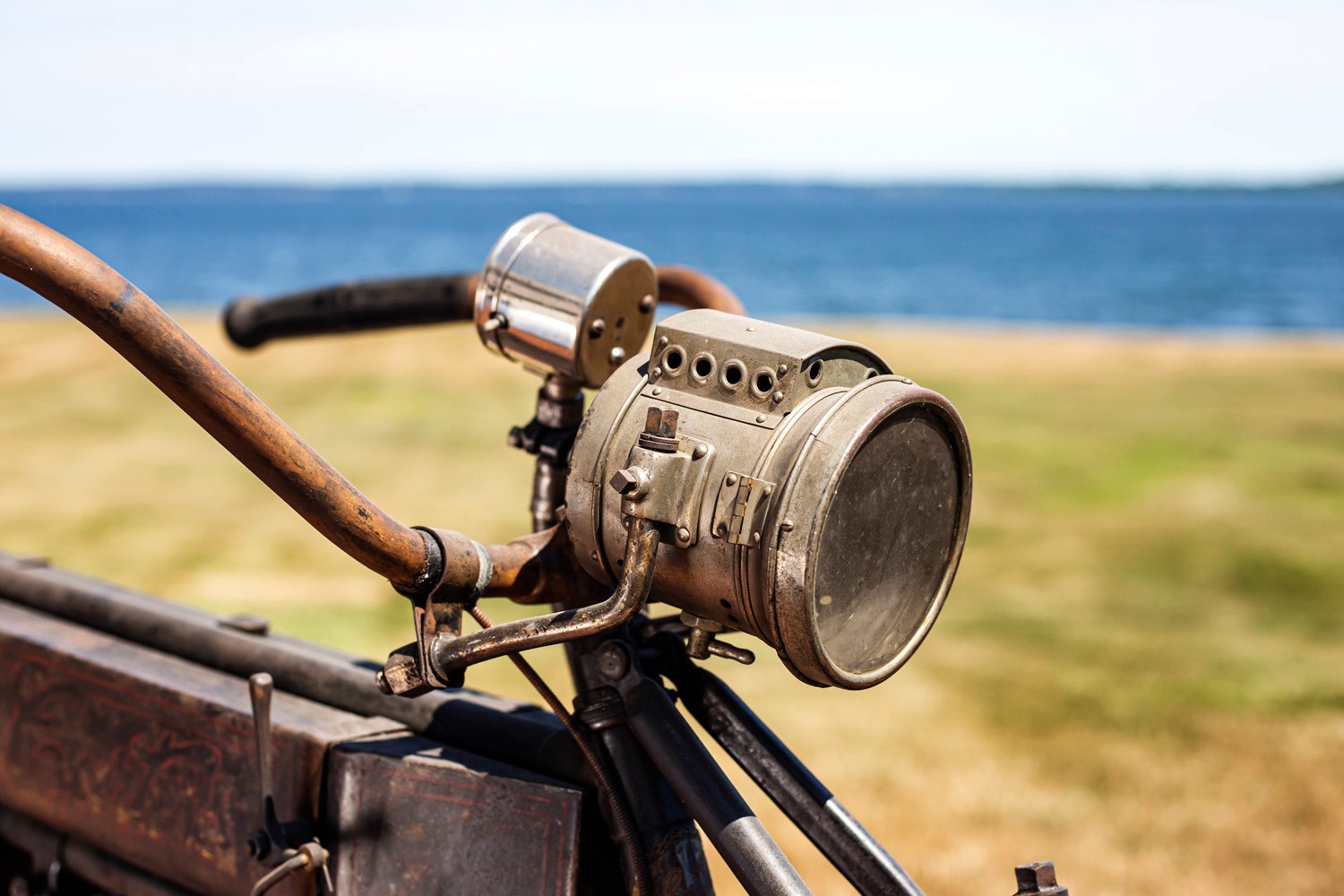
- HEADLIGHT: Twentieth Century Mfg. Co., Lamp Model No. 102 of New York City
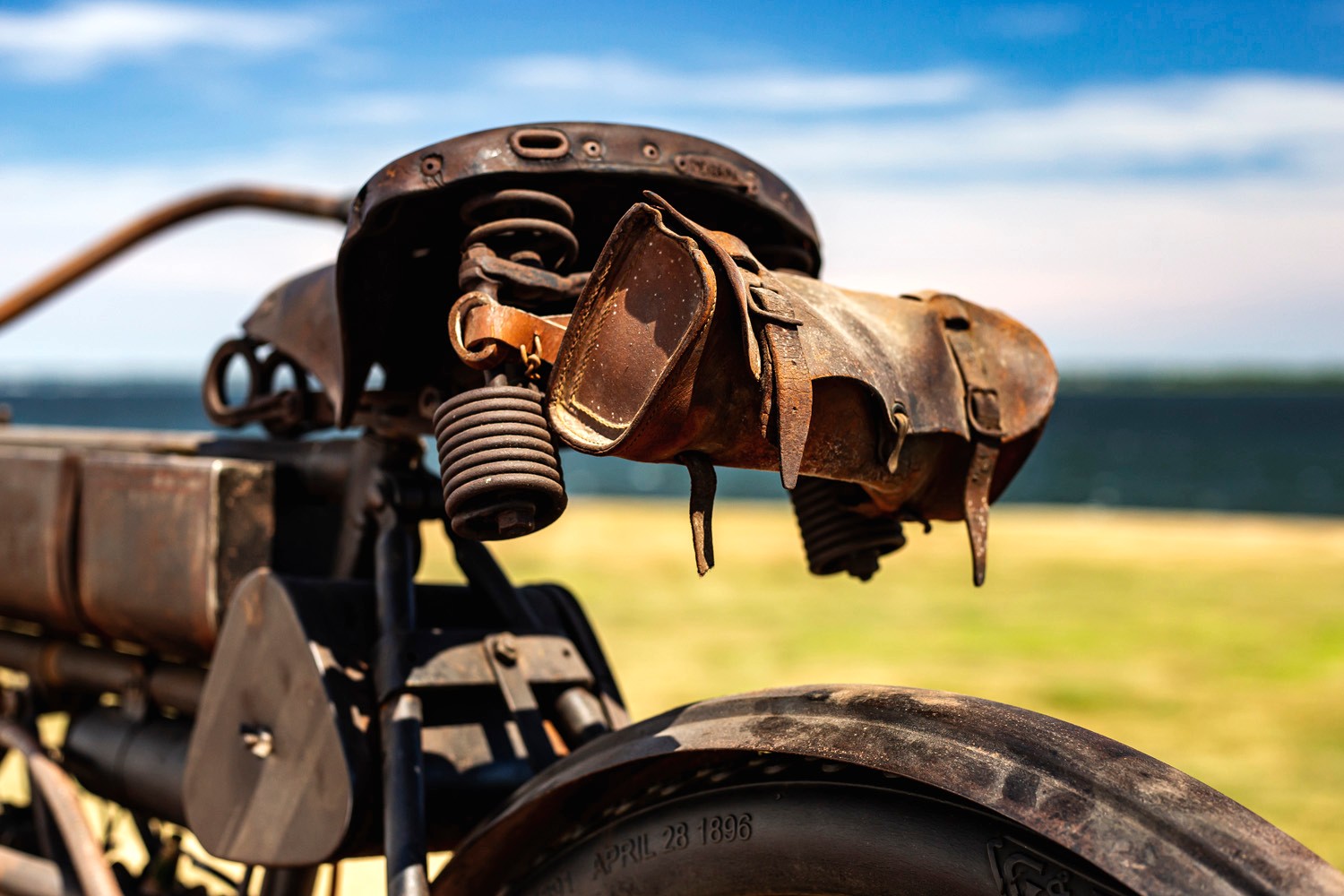
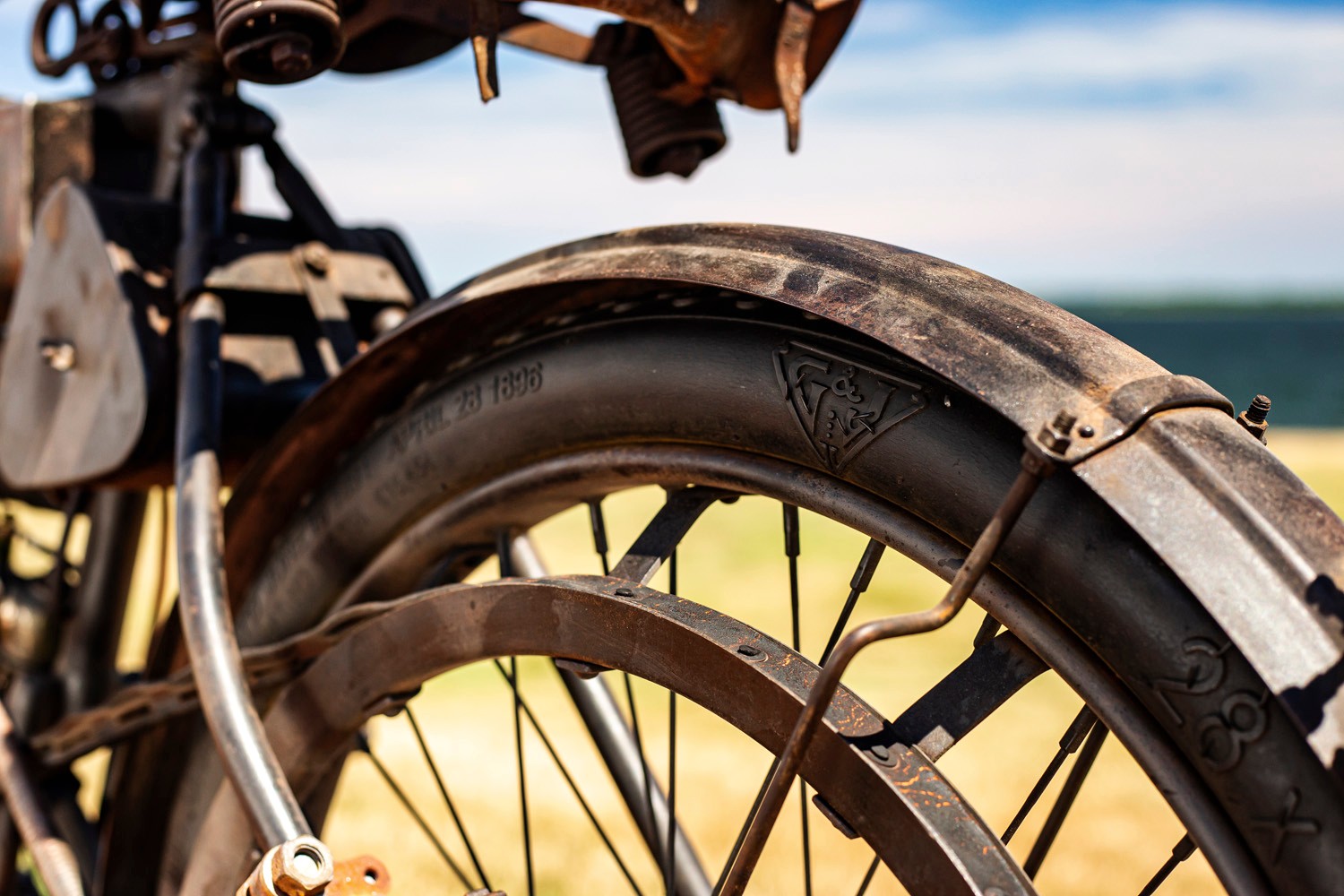
- FEATURES: Tool Bag, Speedometer/Odometer, Headlight, Clock, License Plate
There are only a handful of Curtiss engines known to have survived, including the Hercules. This one, Engine No. 3302, went to Dale Stoner in collaboration with the Glenn H. Curtiss Museum in Hammondsport, New York, for a careful and meticulous restoration and documentation. Dale Stoner is not only the premier Curtiss historian and a master machinist but also an engineering pioneer who will one day be regarded in the history books right alongside Glenn. He is currently recreating, in exacting detail, the beautiful and historic 1907 Curtiss 8-cylinder experimental motorcycle that set the world land speed record of 136 mph. It has been rumored that upon completion, this vehicle could be worth between $500,000 and $1 million.
Despite becoming known as the “fastest man on earth” in 1907 for setting a land speed record of 136 mph on an experimental V-8 motorcycle he built himself, Glenn Hammond Curtiss was not known for his bikes but as an American aviation pioneer. Born in 1879 in Hammondsport, New York, he started his engineering career racing bicycles in his youth. By 1902, he built his first motorcycle engine with a tomato soup can as a carburetor, and his genius only expanded from there. The sixth engine he ever produced, a single-cylinder under the name “Hercules” can also be found in the collection of Dick Shappy. (You can read about it at DSClassics.) He quickly found that “Hercules” was already patented, and his future endeavors would begin the Curtiss line.
In 1904, he was taking home the gold against even rivals Indian Motorcycles and even put his 9 HP V-Twin engine into the first successful dirigible in the United States, the California Arrow. Until 1912, he and his team would go on to build, sell, and race motorcycles out of their Hammondsport garage, but this wasn’t his only successful endeavor. In the same period, Curtiss was the chief rival of the Wright brothers, designing airplane engines, the most widely used U.S. aircraft in WWI, the first amphibious aircraft, and joining the Aerial Experimentation Association. Curtiss was one of the great engineers of the early 20th century, producing innovative and high-performance motorcycles, including inventing the handlebar throttle, and helping to create the U.S. aviation industry.
Check out master machinist and Curtiss historian Dale Stoner reflect on Glenn Hammond Curtiss’s motorcycles and show off his 1907 Curtiss V-8 land-speed-record-setting replica on Jay Leno’s Garage: “The Fastest Man on Earth: 1907 Curtiss V8 Motorcycle.”